Milky's Hasegawa 1/48 F-4J "Showtime 100"
Posted: Sun Oct 09, 2016 7:58 pm
Okey! First ever GB and buildthread here on ISM for me, So let's get to it! 
The subject at hand will be Hasegawa's F-4J Showtime 100 with a couple of extras from Aires and Eduard.
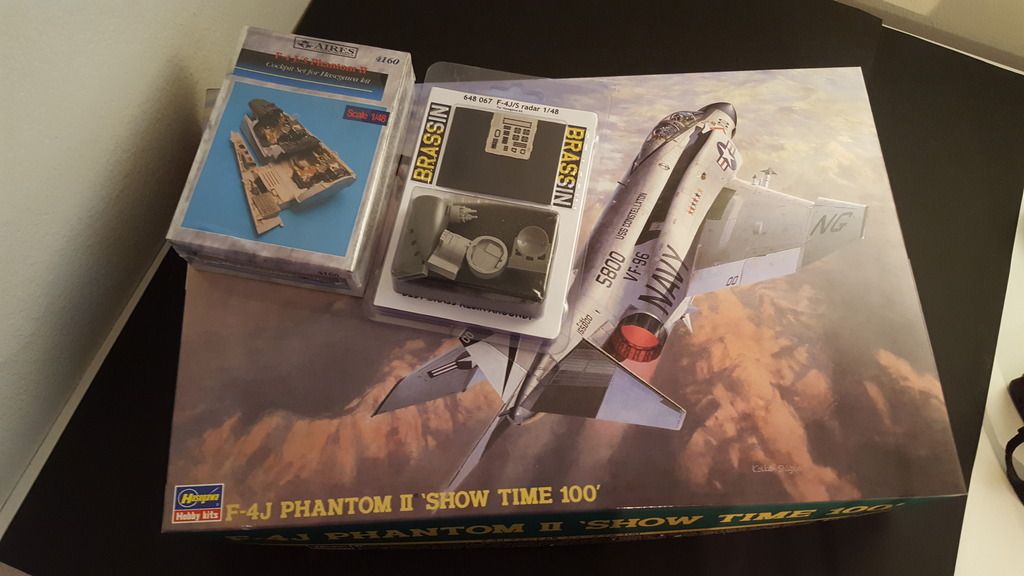
A bit of history
The McDonnell Douglas F-4 Phantom II is a tandem two-seat, twin-engine, all-weather, long-range supersonic jet interceptor aircraft/fighter-bomber originally developed for the United States Navy by McDonnell Aircraft. It first entered service in 1960 with the U.S. Navy. Proving highly adaptable, it was also adopted by the U.S. Marine Corps and the U.S. Air Force, and by the mid-1960s had become a major part of their respective air wings.
The Phantom is a large fighter with a top speed of over Mach 2.2. It can carry more than 18,000 pounds (8,400 kg) of weapons on nine external hardpoints, including air-to-air missiles, air-to-ground missiles, and various bombs. The F-4, like other interceptors of its time, was designed without an internal cannon. Later models incorporated an M61 Vulcan rotary cannon. Beginning in 1959, it set 15 world records for in-flight performance, including an absolute speed record, and an absolute altitude record.
During the Vietnam War, the F-4 was used extensively; it served as the principal air superiority fighter for both the Navy and Air Force, and became important in the ground-attack and aerial reconnaissance roles late in the war. The Phantom has the distinction of being the last U.S. fighter flown to attain ace status in the 20th century. During the Vietnam War, the U.S. Air Force had one pilot and two weapon systems officers (WSOs) and the US Navy had one pilot and one radar intercept officer (RIO) become aces by achieving five aerial kills against enemy fighter aircraft. The F-4 continued to form a major part of U.S. military air power throughout the 1970s and 1980s, being gradually replaced by more modern aircraft such as the F-15 Eagle and F-16 in the U.S. Air Force, the Grumman F-14 Tomcat in the U.S. Navy, and the F/A-18 Hornet in the U.S. Navy and U.S. Marine Corps.
The F-4 Phantom II remained in use by the U.S. in the reconnaissance and Wild Weasel (Suppression of Enemy Air Defenses) roles in the 1991 Gulf War, finally leaving service in 1996. It was also the only aircraft used by both U.S. flight demonstration teams: the USAF Thunderbirds (F-4E) and the US Navy Blue Angels (F-4J). The F-4 was also operated by the armed forces of 11 other nations. Israeli Phantoms saw extensive combat in several Arab–Israeli conflicts, while Iran used its large fleet of Phantoms in the Iran–Iraq War. Phantoms remain in front line service with seven countries, and in use as a target drone in the U.S. Air Force.[11] Phantom production ran from 1958 to 1981, with a total of 5,195 built, making it the most numerous American supersonic military aircraft.
By the time of the Tonkin Gulf incident, 13 of 31 deployable navy squadrons were armed with the type. F-4Bs from Constellation made the first Phantom combat sortie of the Vietnam War on 5 August 1964, flying bomber escort in Operation Pierce Arrow. The first Phantom air-to-air victory of the war took place on 9 April 1965 when an F-4B from VF-96 "Fighting Falcons" piloted by Lieutenant (junior grade) Terence M. Murphy and his RIO, Ensign Ronald Fegan, shot down a Chinese MiG-17 "Fresco". The Phantom was then shot down, probably by an AIM-7 Sparrow from one of its wingmen. There continues to be controversy over whether the Phantom was shot down by MiG guns or, as enemy reports later indicated, an AIM-7 Sparrow III from one of Murphy's and Fegan's wingmen. On 17 June 1965, an F-4B from VF-21 "Freelancers" piloted by Commander Louis Page and Lieutenant John C. Smith shot down the first North Vietnamese MiG of the war.
And the aircraft I'm going to try and do my best of!
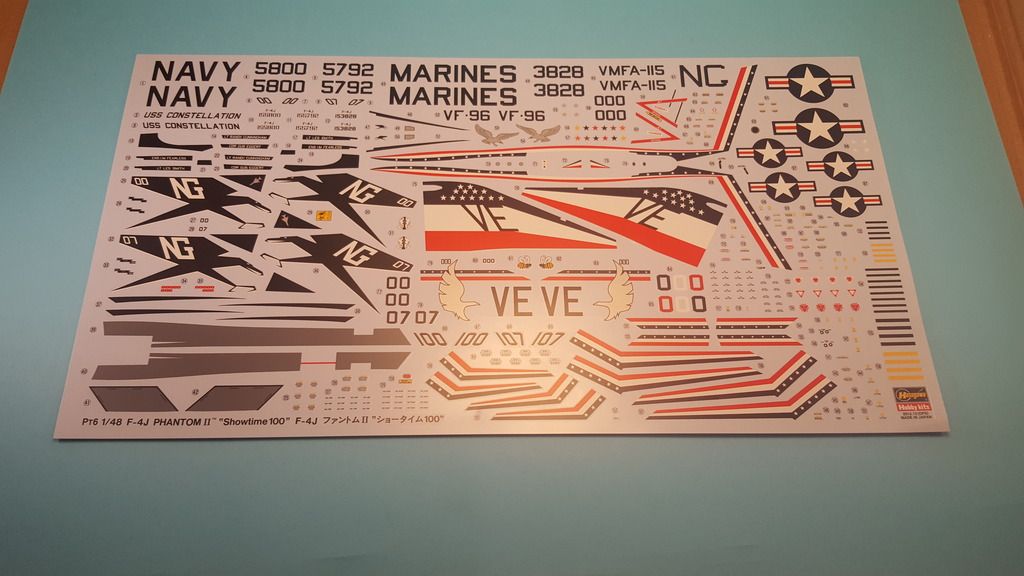
On 10 May 1972, Lieutenant Randy "Duke" Cunningham and Lieutenant (junior grade) William P. Driscoll flying an F-4J, call sign "Showtime 100", shot down three MiG-17s to become the first American flying aces of the war. Their fifth victory was believed at the time to be over a mysterious North Vietnamese ace, Colonel Nguyen Toon, now considered mythical. On the return flight, the Phantom was damaged by an enemy surface-to-air missile. To avoid being captured, Cunningham and Driscoll flew their burning aircraft using only the rudder and afterburner (the damage to the aircraft rendered conventional control nearly impossible), until they could eject over water.

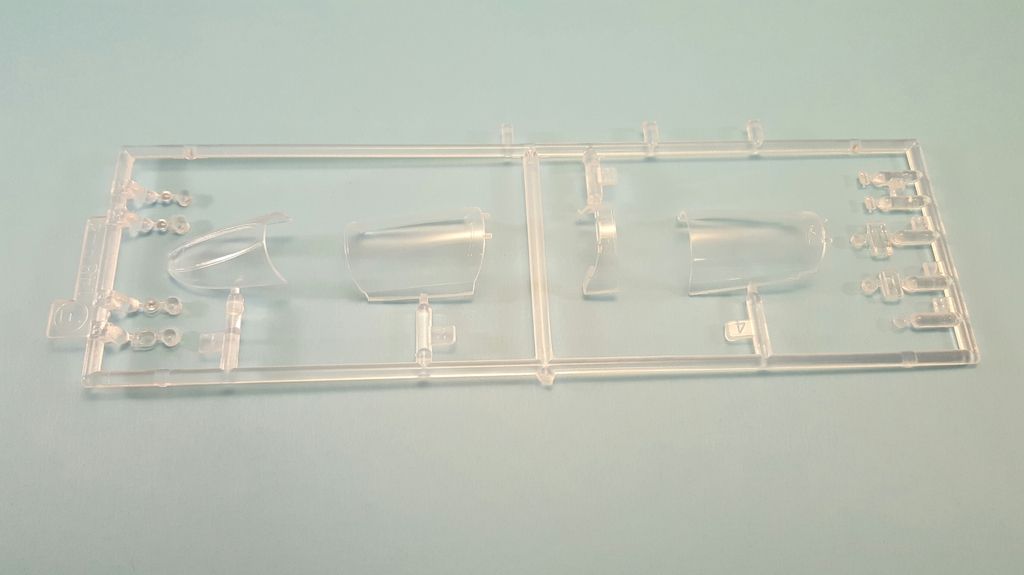
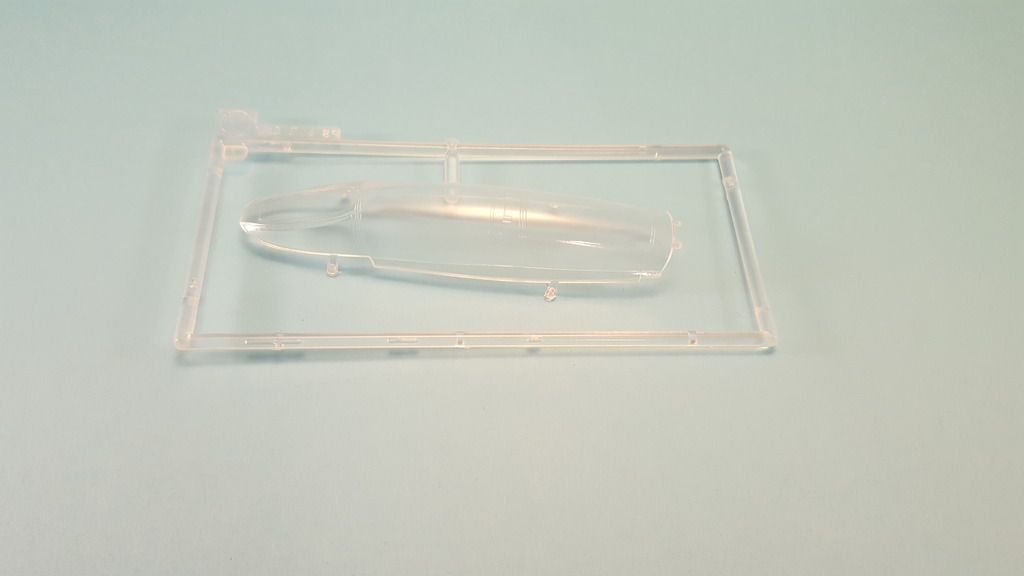
Enclosed in the box you will find 7 sprues of grey styren and 2 sprues with clear plastic of wich one is the one-piece canopy you can choose to install.
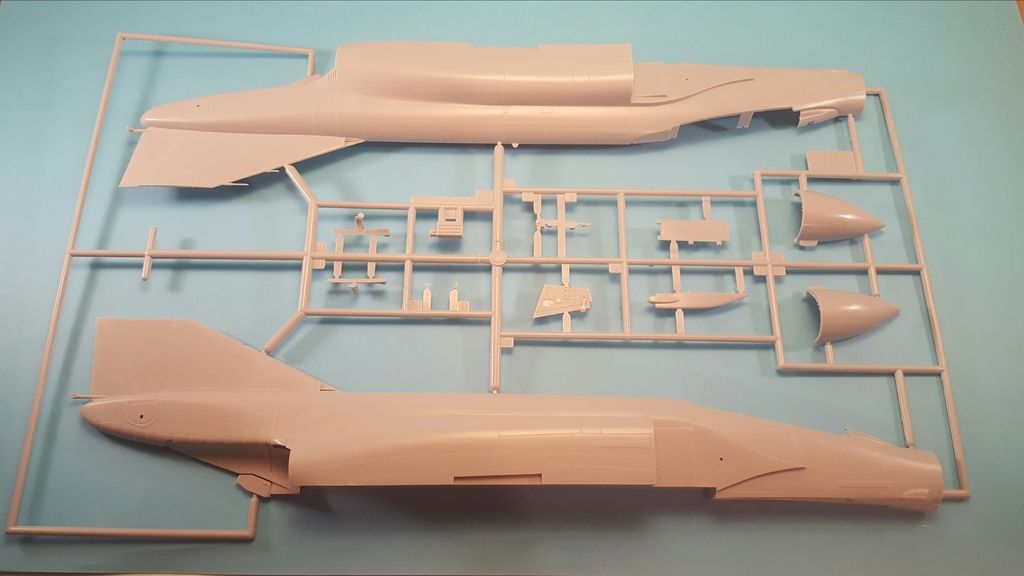
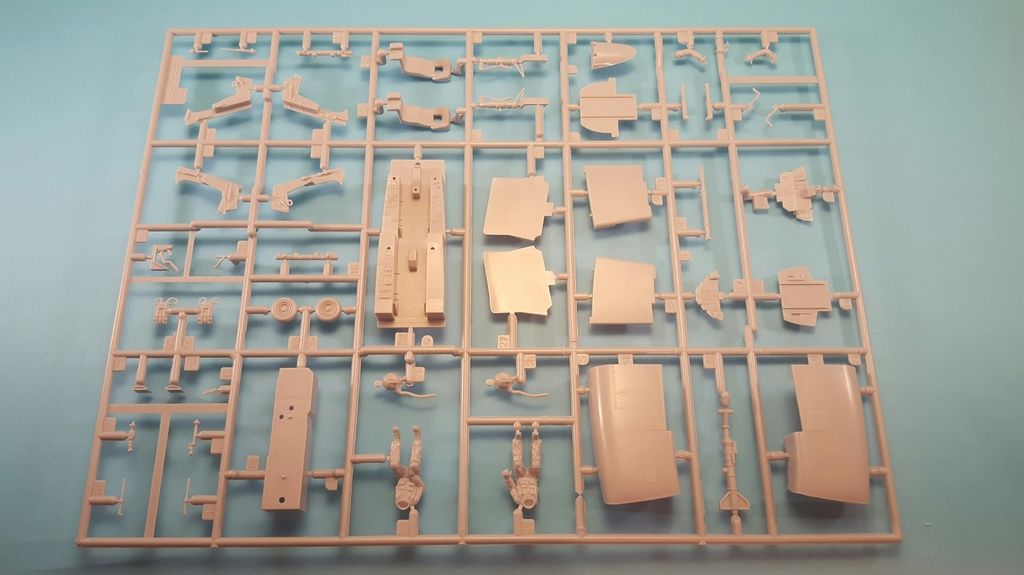
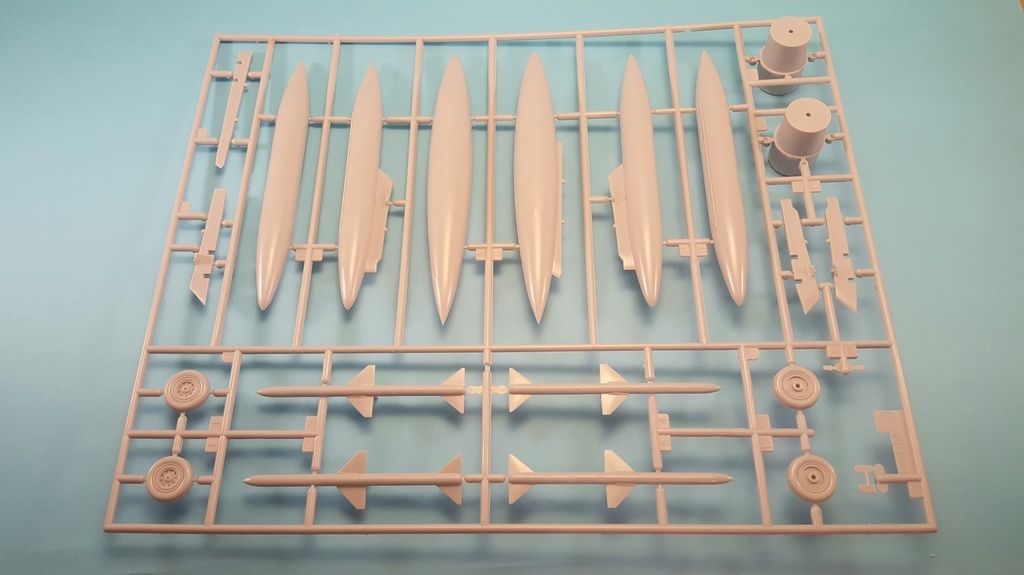
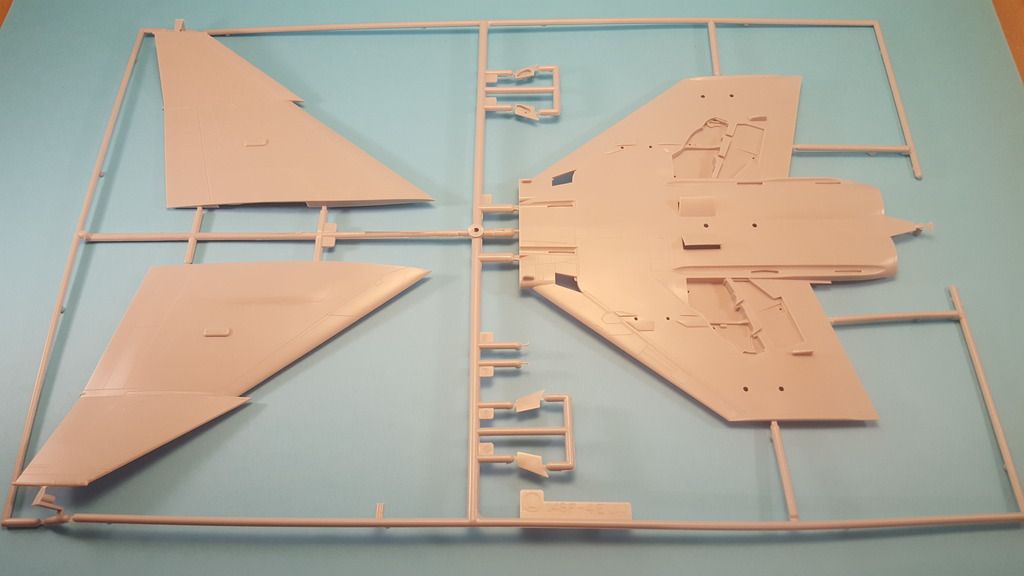
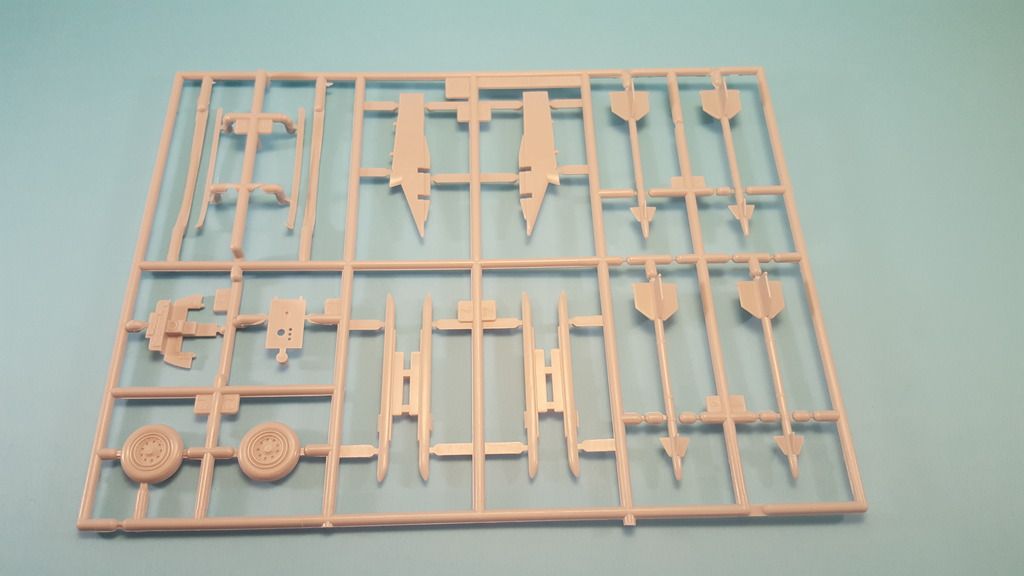
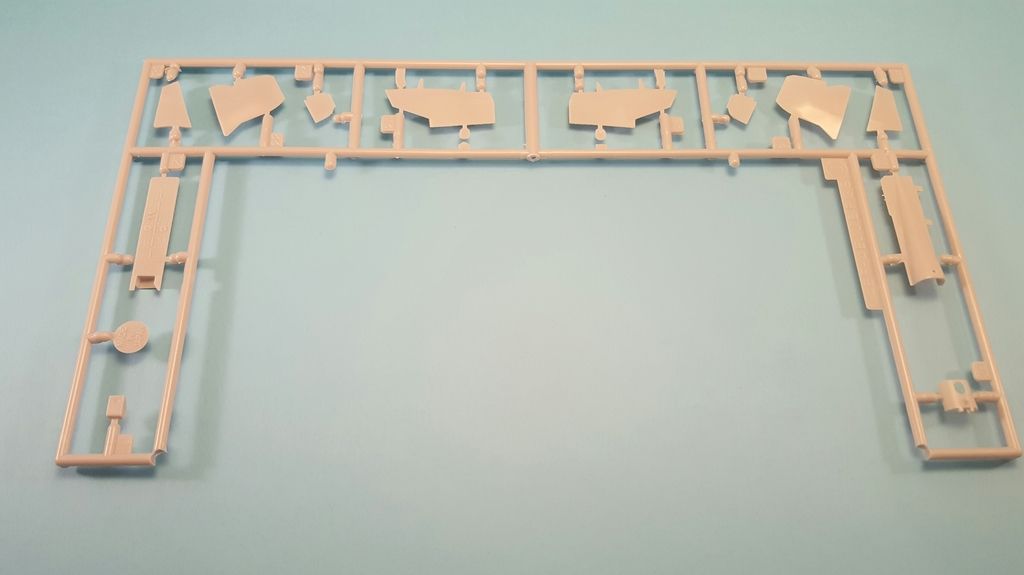
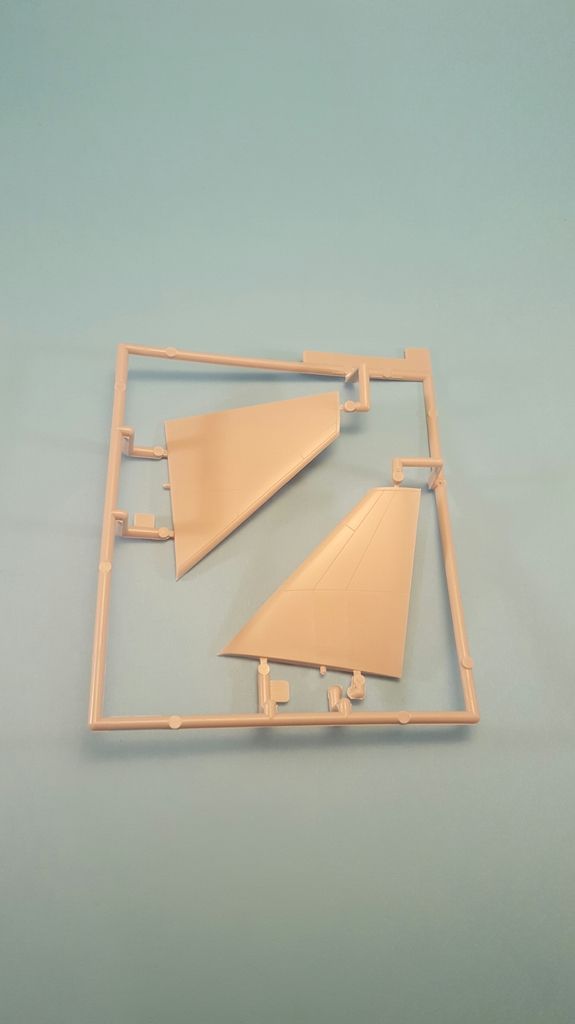
Okiedokie, that's it for now. Moar pics to come soon!
The subject at hand will be Hasegawa's F-4J Showtime 100 with a couple of extras from Aires and Eduard.

A bit of history
The McDonnell Douglas F-4 Phantom II is a tandem two-seat, twin-engine, all-weather, long-range supersonic jet interceptor aircraft/fighter-bomber originally developed for the United States Navy by McDonnell Aircraft. It first entered service in 1960 with the U.S. Navy. Proving highly adaptable, it was also adopted by the U.S. Marine Corps and the U.S. Air Force, and by the mid-1960s had become a major part of their respective air wings.
The Phantom is a large fighter with a top speed of over Mach 2.2. It can carry more than 18,000 pounds (8,400 kg) of weapons on nine external hardpoints, including air-to-air missiles, air-to-ground missiles, and various bombs. The F-4, like other interceptors of its time, was designed without an internal cannon. Later models incorporated an M61 Vulcan rotary cannon. Beginning in 1959, it set 15 world records for in-flight performance, including an absolute speed record, and an absolute altitude record.
During the Vietnam War, the F-4 was used extensively; it served as the principal air superiority fighter for both the Navy and Air Force, and became important in the ground-attack and aerial reconnaissance roles late in the war. The Phantom has the distinction of being the last U.S. fighter flown to attain ace status in the 20th century. During the Vietnam War, the U.S. Air Force had one pilot and two weapon systems officers (WSOs) and the US Navy had one pilot and one radar intercept officer (RIO) become aces by achieving five aerial kills against enemy fighter aircraft. The F-4 continued to form a major part of U.S. military air power throughout the 1970s and 1980s, being gradually replaced by more modern aircraft such as the F-15 Eagle and F-16 in the U.S. Air Force, the Grumman F-14 Tomcat in the U.S. Navy, and the F/A-18 Hornet in the U.S. Navy and U.S. Marine Corps.
The F-4 Phantom II remained in use by the U.S. in the reconnaissance and Wild Weasel (Suppression of Enemy Air Defenses) roles in the 1991 Gulf War, finally leaving service in 1996. It was also the only aircraft used by both U.S. flight demonstration teams: the USAF Thunderbirds (F-4E) and the US Navy Blue Angels (F-4J). The F-4 was also operated by the armed forces of 11 other nations. Israeli Phantoms saw extensive combat in several Arab–Israeli conflicts, while Iran used its large fleet of Phantoms in the Iran–Iraq War. Phantoms remain in front line service with seven countries, and in use as a target drone in the U.S. Air Force.[11] Phantom production ran from 1958 to 1981, with a total of 5,195 built, making it the most numerous American supersonic military aircraft.
By the time of the Tonkin Gulf incident, 13 of 31 deployable navy squadrons were armed with the type. F-4Bs from Constellation made the first Phantom combat sortie of the Vietnam War on 5 August 1964, flying bomber escort in Operation Pierce Arrow. The first Phantom air-to-air victory of the war took place on 9 April 1965 when an F-4B from VF-96 "Fighting Falcons" piloted by Lieutenant (junior grade) Terence M. Murphy and his RIO, Ensign Ronald Fegan, shot down a Chinese MiG-17 "Fresco". The Phantom was then shot down, probably by an AIM-7 Sparrow from one of its wingmen. There continues to be controversy over whether the Phantom was shot down by MiG guns or, as enemy reports later indicated, an AIM-7 Sparrow III from one of Murphy's and Fegan's wingmen. On 17 June 1965, an F-4B from VF-21 "Freelancers" piloted by Commander Louis Page and Lieutenant John C. Smith shot down the first North Vietnamese MiG of the war.
And the aircraft I'm going to try and do my best of!
On 10 May 1972, Lieutenant Randy "Duke" Cunningham and Lieutenant (junior grade) William P. Driscoll flying an F-4J, call sign "Showtime 100", shot down three MiG-17s to become the first American flying aces of the war. Their fifth victory was believed at the time to be over a mysterious North Vietnamese ace, Colonel Nguyen Toon, now considered mythical. On the return flight, the Phantom was damaged by an enemy surface-to-air missile. To avoid being captured, Cunningham and Driscoll flew their burning aircraft using only the rudder and afterburner (the damage to the aircraft rendered conventional control nearly impossible), until they could eject over water.

Enclosed in the box you will find 7 sprues of grey styren and 2 sprues with clear plastic of wich one is the one-piece canopy you can choose to install.


Okiedokie, that's it for now. Moar pics to come soon!


 , and this is the result so far. Might need some fine-tuning but I'll sort that out later.


 Milky and
  to the Phantom Freak SIG. Nice kit and top work done so far, what a way to start
  . The office is making me
  this is going to be an awesome build.


 Moi likes this Spook
