1/48 Republic P47D Thunderbolt "Bubbletop"
Posted: Sat Oct 22, 2016 10:10 pm
Been in my stash for a long time and as I haven't bought any extra stuff for it I thought why not use as an entry into this GB


The Thunderbolt or "The Jug" as it was nicknamed, has always been one of my favorite WW2 airplanes.

It was a big airplane, three feet wider than the P-51 and four feet longer. And at more than 10,000 pounds empty, it was about 50 percent heavier than the Mustang and nearly twice the weight of the Spitfire. In fact, along with the three-seat Grumman Avenger, the P-47 was among the heaviest single-engine aircraft of World War Two.

The P47 was powered by the 18-cylinder, 2,600-horsepower Pratt & Whitney R-2800 Double Wasp engine which made it able to keep pace with the Mustang. Both had a top speed of around 440 mph (700 km/h). And while the P-47 could reach altitudes in excess of 40,000 feet (12,000 meters), its range of just over 800 miles (1,300 km) gave it half the legs of the P-51.
With four .50 caliber machine guns mounted in each wing, the Thunderbolt could shred both enemy warplanes and ground targets alike with equal ferocity. Its internal stores were capable of holding 3,400 rounds (the Mustang’s six guns could pack only 1,800 bullets), which enabled the P-47 to unleash a torrent of lead for 30 seconds straight. While the Jug did poorly in fast turning dogfights against smaller planes, it was at its best when diving on (or “bouncing”) enemy fighters with all guns blazing. It was even more effective as a ground attack aircraft; it was capable of carrying as much as 3,000 pounds of external ordnance. In fact, when fully armed, a P-47 Thunderbolt could deliver about half the payload of a B-17 Flying Fortress. When equipped with 4.5-inch M8 rockets, the Jug had the firepower equal to a battery of 105 mm howitzers.

The P-47 was a popular plane with pilots. Not only was it capable of absorbing staggering amounts of punishment, the cockpit was roomy and comfortable. Some fliers likened the aircraft’s seat to a lounge chair. Plus, the bubble canopy, which was added to D-model variants, afforded aviators enhanced visibility.
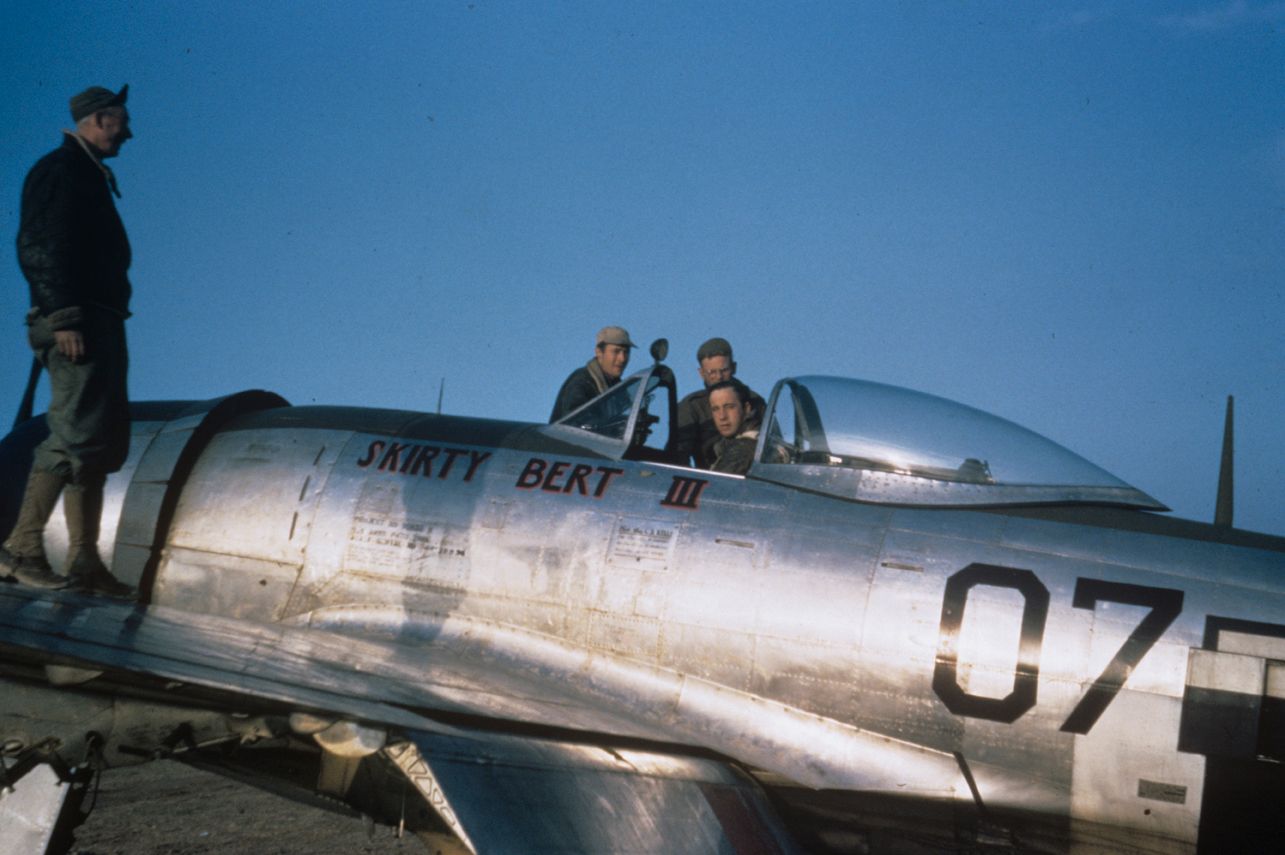
A number of American aces achieved impressive records while at the controls of P-47s. Thunderbolt top guns included Francis “Gabby” Gabreski (28 kills), Robert S. Johnson (27 kills) and David C. Schilling (22.5 kills).
Republic Aviation factories in Long Island, New York and in Evansville, Indiana, along with a Curtis plant in Buffalo, assembled 15,600 Thunderbolts between 1942 and 1945 — that’s an average of 360 a month for three and a half years. Each plane cost $85,000 (about $1.1 million in 2015). All told, the War Department spent $1.2 billion on P-47 Thunderbolts before VJ Day. That’s roughly equal to $15.5 billion today.
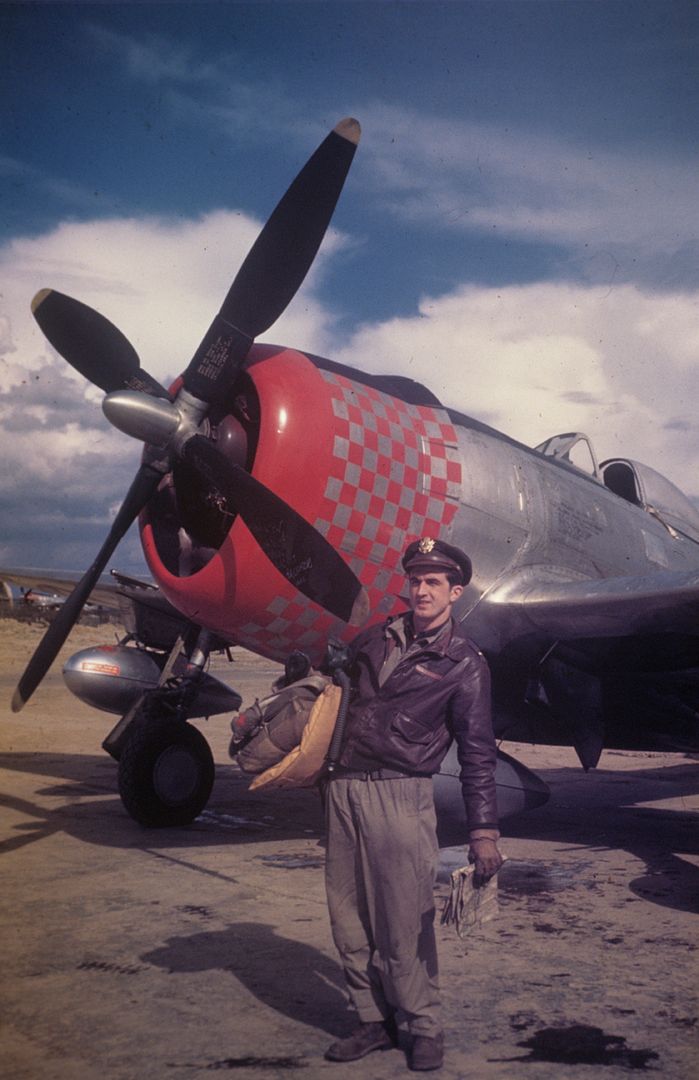
From its combat debut in 1943, the P47 would fly more than half a million sorties in Europe and the Pacific and would claim nearly 4,000 enemy aircraft, 9,000 trains, 86,000 trucks and 6,000 armoured vehicles.

http://militaryhistorynow.com/2015/04/2 ... underbolt/
And here we go.... I started with priming the cockpit parts with Alclad grey primer.

P47's built by Republic did not use the usual interior green cockpit color but a darker color called dull dark green.
I found out that Tamiya IJN green is a good match for the dull dark green, so the cockpit parts got a coat of that.

I also managed to get some detail painting and weathering of the cockpit sides done.

That's all for now. Hopefully I will get some time to continue with the cockpit tomorrow.


The Thunderbolt or "The Jug" as it was nicknamed, has always been one of my favorite WW2 airplanes.

It was a big airplane, three feet wider than the P-51 and four feet longer. And at more than 10,000 pounds empty, it was about 50 percent heavier than the Mustang and nearly twice the weight of the Spitfire. In fact, along with the three-seat Grumman Avenger, the P-47 was among the heaviest single-engine aircraft of World War Two.

The P47 was powered by the 18-cylinder, 2,600-horsepower Pratt & Whitney R-2800 Double Wasp engine which made it able to keep pace with the Mustang. Both had a top speed of around 440 mph (700 km/h). And while the P-47 could reach altitudes in excess of 40,000 feet (12,000 meters), its range of just over 800 miles (1,300 km) gave it half the legs of the P-51.
With four .50 caliber machine guns mounted in each wing, the Thunderbolt could shred both enemy warplanes and ground targets alike with equal ferocity. Its internal stores were capable of holding 3,400 rounds (the Mustang’s six guns could pack only 1,800 bullets), which enabled the P-47 to unleash a torrent of lead for 30 seconds straight. While the Jug did poorly in fast turning dogfights against smaller planes, it was at its best when diving on (or “bouncing”) enemy fighters with all guns blazing. It was even more effective as a ground attack aircraft; it was capable of carrying as much as 3,000 pounds of external ordnance. In fact, when fully armed, a P-47 Thunderbolt could deliver about half the payload of a B-17 Flying Fortress. When equipped with 4.5-inch M8 rockets, the Jug had the firepower equal to a battery of 105 mm howitzers.

The P-47 was a popular plane with pilots. Not only was it capable of absorbing staggering amounts of punishment, the cockpit was roomy and comfortable. Some fliers likened the aircraft’s seat to a lounge chair. Plus, the bubble canopy, which was added to D-model variants, afforded aviators enhanced visibility.

A number of American aces achieved impressive records while at the controls of P-47s. Thunderbolt top guns included Francis “Gabby” Gabreski (28 kills), Robert S. Johnson (27 kills) and David C. Schilling (22.5 kills).
Republic Aviation factories in Long Island, New York and in Evansville, Indiana, along with a Curtis plant in Buffalo, assembled 15,600 Thunderbolts between 1942 and 1945 — that’s an average of 360 a month for three and a half years. Each plane cost $85,000 (about $1.1 million in 2015). All told, the War Department spent $1.2 billion on P-47 Thunderbolts before VJ Day. That’s roughly equal to $15.5 billion today.

From its combat debut in 1943, the P47 would fly more than half a million sorties in Europe and the Pacific and would claim nearly 4,000 enemy aircraft, 9,000 trains, 86,000 trucks and 6,000 armoured vehicles.

http://militaryhistorynow.com/2015/04/2 ... underbolt/
And here we go.... I started with priming the cockpit parts with Alclad grey primer.

P47's built by Republic did not use the usual interior green cockpit color but a darker color called dull dark green.
I found out that Tamiya IJN green is a good match for the dull dark green, so the cockpit parts got a coat of that.

I also managed to get some detail painting and weathering of the cockpit sides done.

That's all for now. Hopefully I will get some time to continue with the cockpit tomorrow.
 Got this in the stash.


 , maybe I will put the pilot figure in so it won't be seen....


 I'd love to build a 1/32 Jug, been tempted by one of Trumpeters