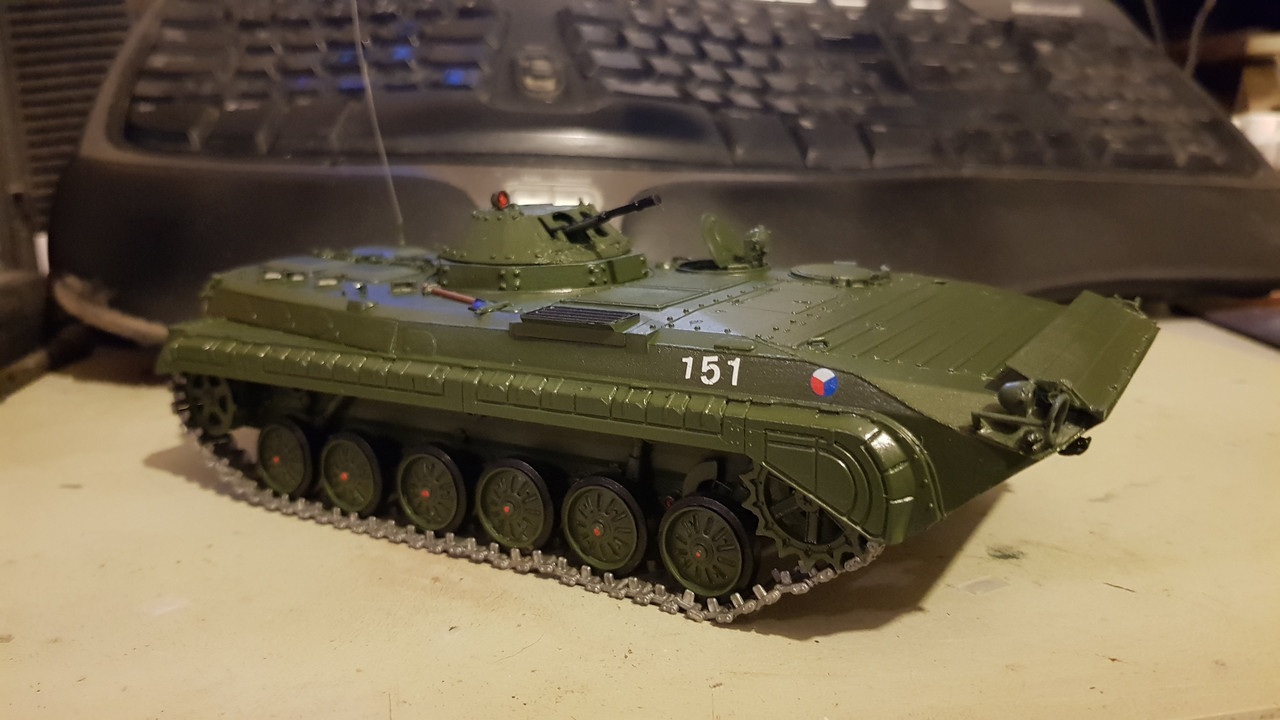
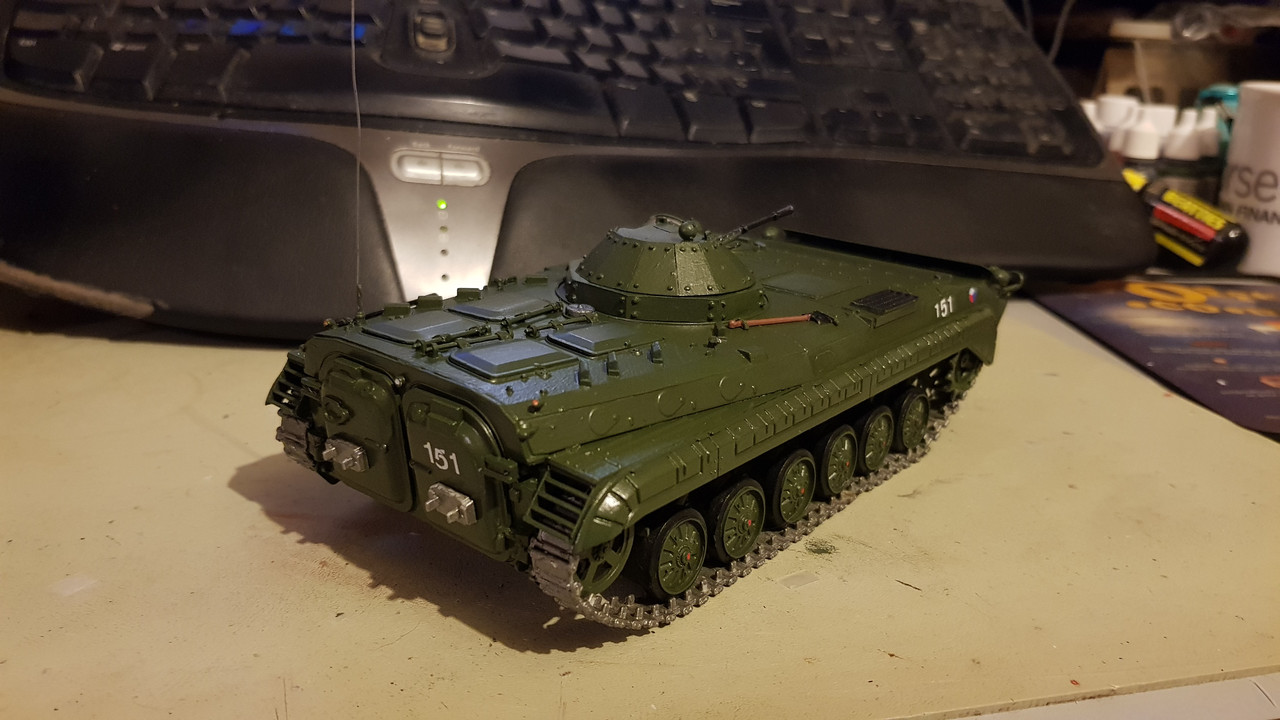
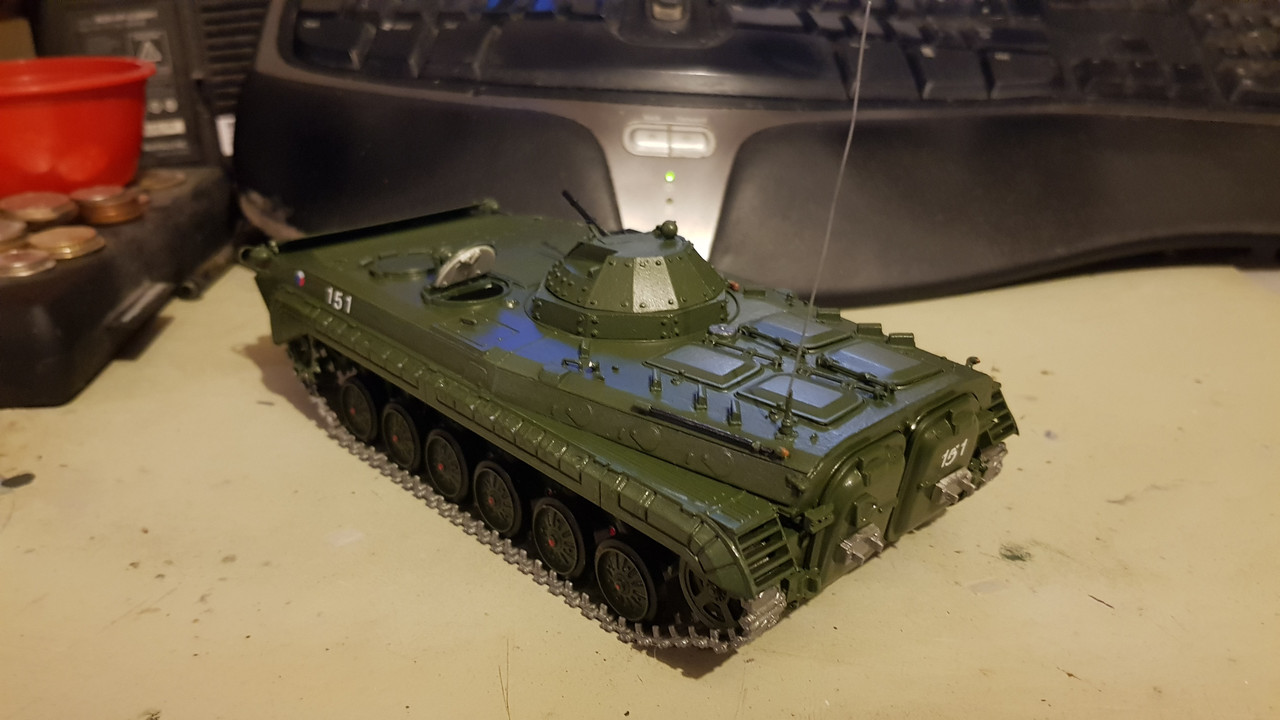
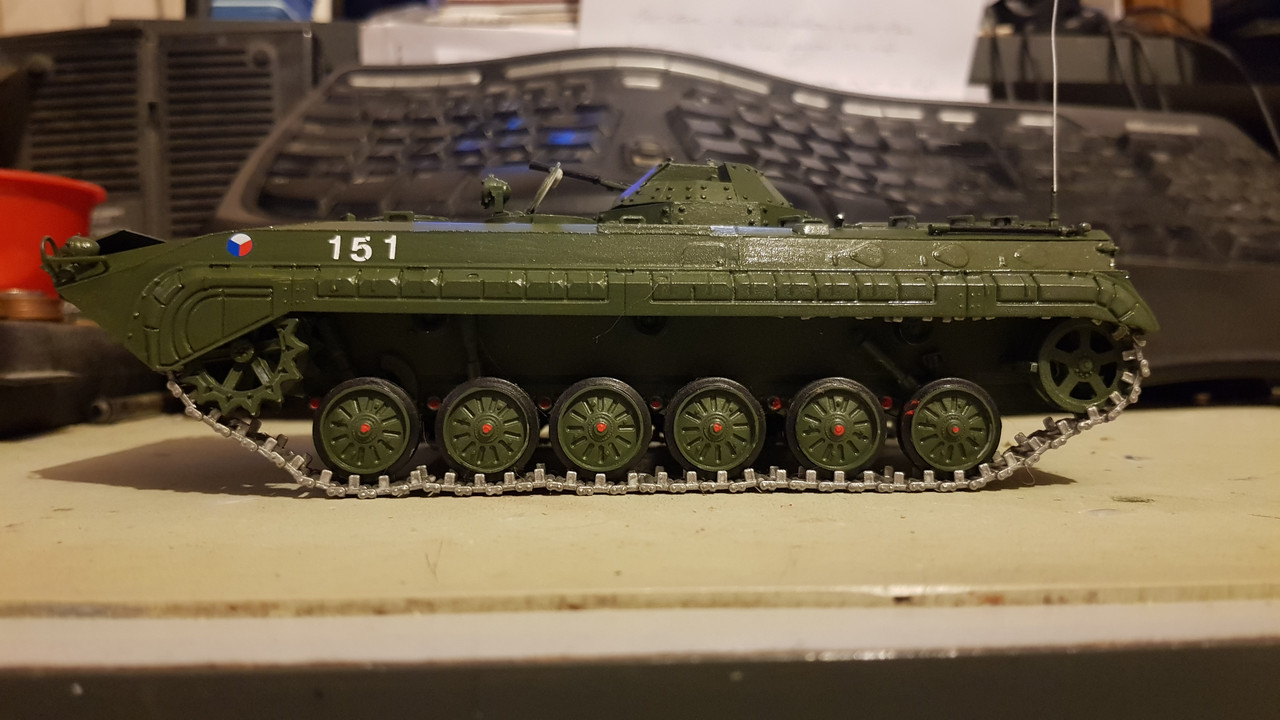
Italeri 1/35 BMP-1 - and OT-90 conversion kit
Posted: Fri May 29, 2020 12:37 am
First of the "hidden" kits to go through the completion progress is the Italeri BMP-1. As I used to own a Czech OT-90 - based on the original BMP-1 design I also got a "Panzer Shop" resin conversion for the OT-90 conversion the Czechs carried out on the real thing.
First the history lesson:
The original BMP (Боевая Машина Пехоты 1; БМП-1 in the original mother tongue) - literally fighting machine of the Infantry - resulted from an in-depth analysis carried out by the Soviet Forces of the various tactics used for getting infantry into battle during WW2 and just after. It was realized that the best way and most effective way is to have the troops move with the tanks. The original transports of the 1950's - the BTR-40 and BTR-152 were effective at actually transporting troops on and off road but lacked real armour protection on the sides, were totally exposed to aerial bursts and had no NBC (Nuclear, Biologicical, Chemical) protection. A grave failing in the nuclear age!! Several design projects were put forwards by various design bureaus in response to the Defence Ministries request - wheeled, half tracked, tracked, hybrid etc Of all these Ob'yekt 764 (codename Object 764) was chosen as the path to follow because the front engine design allowed rapid disembarkation of troop either out of the roof hatches or the two rear doors. Weapons ports down the both the sides starting with a "D" shaped port for the RPD squad machine gun then followed by 3 tear drop shaped ports for the AK's. One more AK port was provided in the Left Rear door allowing the infantry to fight from within the vehicle. To aid this an extraction system ran down each side connected to deflector cover plates by rubber tubes. These clipped over the breech on an AK47 or 74 and served a dual role in deflecting hot spent cases down to the floor instead of the next guys face as well as extracting the cordite fumes out every time the weapon was fired, Another rail run above this with short spurs on, tipped by rubber cones- this was part of the NBC system The actual system itself was basically a massively over pressure design that forced air out rather than letting it in as it was designed to cope with the weapons ports being open in an NBC environment (switching the system on with all hatches closed produces an agonizing pain in the ears within seconds) the second rail though was a stepped down system that provided fresh air to the troops gas-masks. The hose for the GP-5 mask gets removed from the filter cartridge in the usual bag and fitted onto the rubber tipped spurs
Additionally the engine and transmission added a layer of protection to frontal attacks for the gunner, ammunition and troops. The vehicle first saw the light of day in 1964 for development testing, as a result of that the design morphed into Ob'yekt 765 and was first issued to the 120th Guards Rifle Division who carried out in-service testing. Actual production started in 1966.
A note here of Soviet testing methods - they varied greatly from the West. At the time we tested armour plate by putting sections taken from production lines and using bloody great swing hammers to test them for hardness. Not so our friends behind the curtain. They took an actual vehicle and fired live rounds at it testing it literally to destruction. Based on that - if it performed as expected - they took another vehicle, put a crew in it and repeated the live fire testing up to the design level of protection. If the crew survived all well and good. If not... Most Soviet armour of the 1960's and 70's had the advantage of being tested in live battles somewhere in the world because they sold it to all their allies and satellites. In the BMP-1's case it first saw action in the Middle East with Egyptian and Syrian forces in the 1973 Yom Kipur war. Lessons learnt there were applied to Soviet vehicles right up to the 1980's Afghan excursion where the limitations of the BMP-1's turret - particularly the angle of elevation of the main gun were a critical weakness. Shortly after shipping the design team out to Afghanistan the BMP-2 came into being with a better turret incorporating a high angle 20mm cannon in lieu of the 73mm smooth-bored "Grom" anti-tank gun of the BMP-1. The current iteration is the BMP-3 which remains one of the most effective IFV's in the world.
Fast forwards a few years from Afghanistan to the SALT talks of the 1990's where limitations were put on the number of anti-tank guns signatory countries could have. The "Grom" cannon was classed as an anti-tank gun and a lot of users opted to scrap the complete BMP - some stripped the turrets and made them command, recover or ambulance types whilst others scrapped the entire vehicle. Not so the Czech - an eminently practical country. They looked at the situation and through "We have the 8 wheeled SKOT-64 coming to the end of its service life that has a still practical and useable turret mounting the 14.5mm KVPT heavy machine gun in a high angle mount - and we have these BMP-1's with turrets we can't use but excellent hulls. So they stripped the original turret off the BMP-1, welded a hexagonal base on within the original turret ring and then mounted the SKOT-64 turret onto that - and thus the "Obreney Transporter" or - literally - Armoured Transporter, the OT-90 was born. Some other modifications were made - like adding a second shock-absorber onto the second set of roadwheels to improve the ride and handling but basically the hull remains a BMP-1.
For more information on the OT-90 have a look here: http://rangerneil.com/Military_Vehicles/OT90_index.html
The kit
As this is a mostly built kit there is no point is providing the sprue photographs because they are in the main empty but this is the instruction sheet:
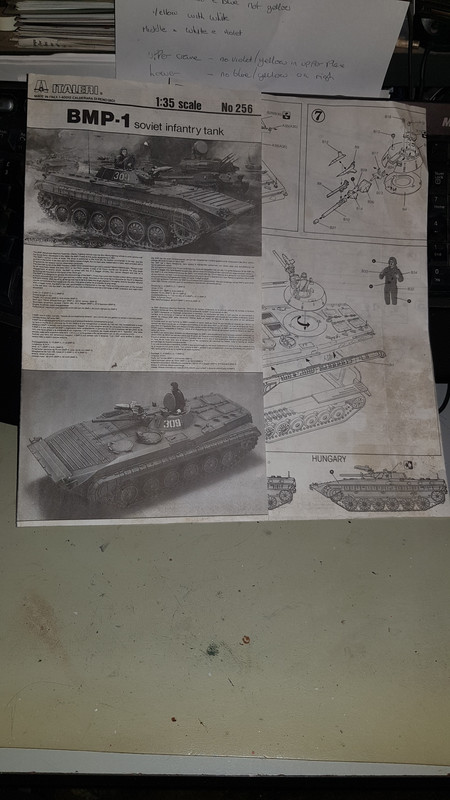
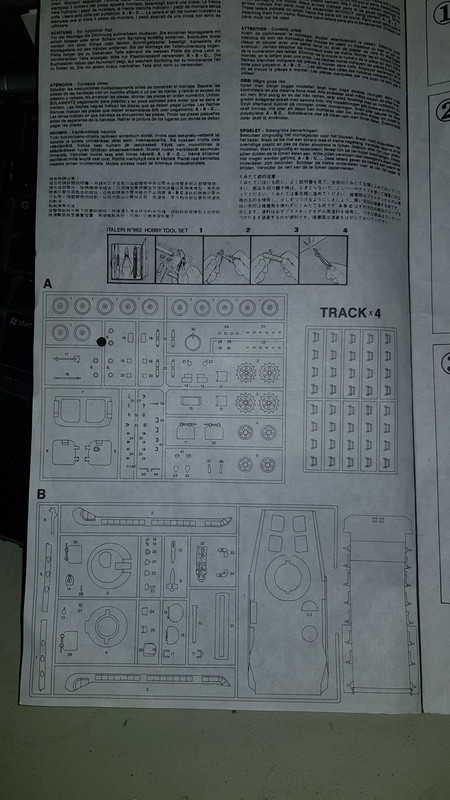
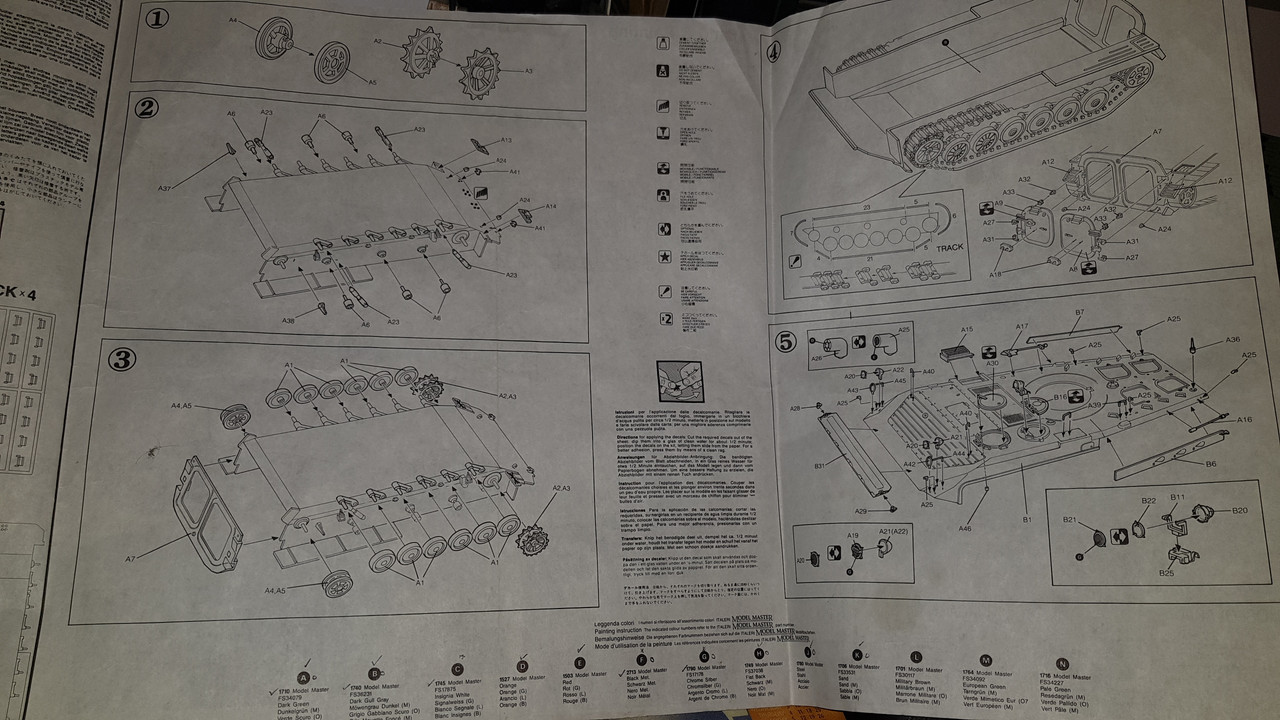
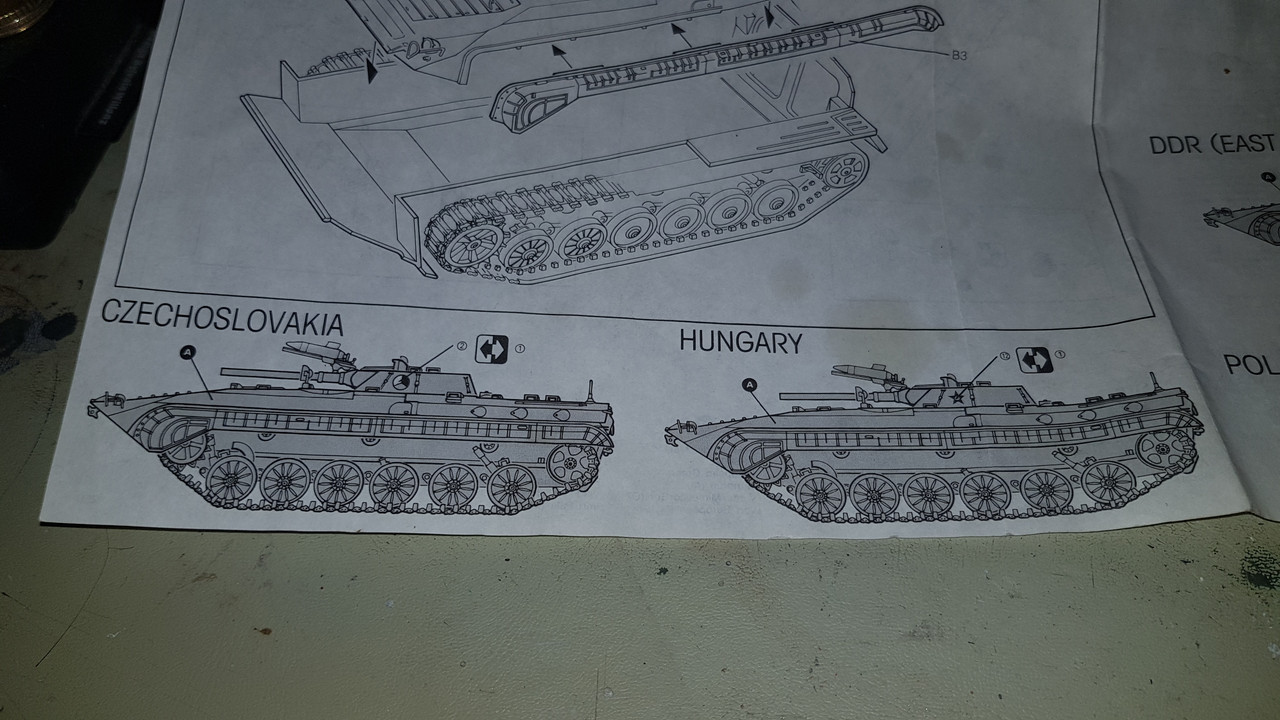
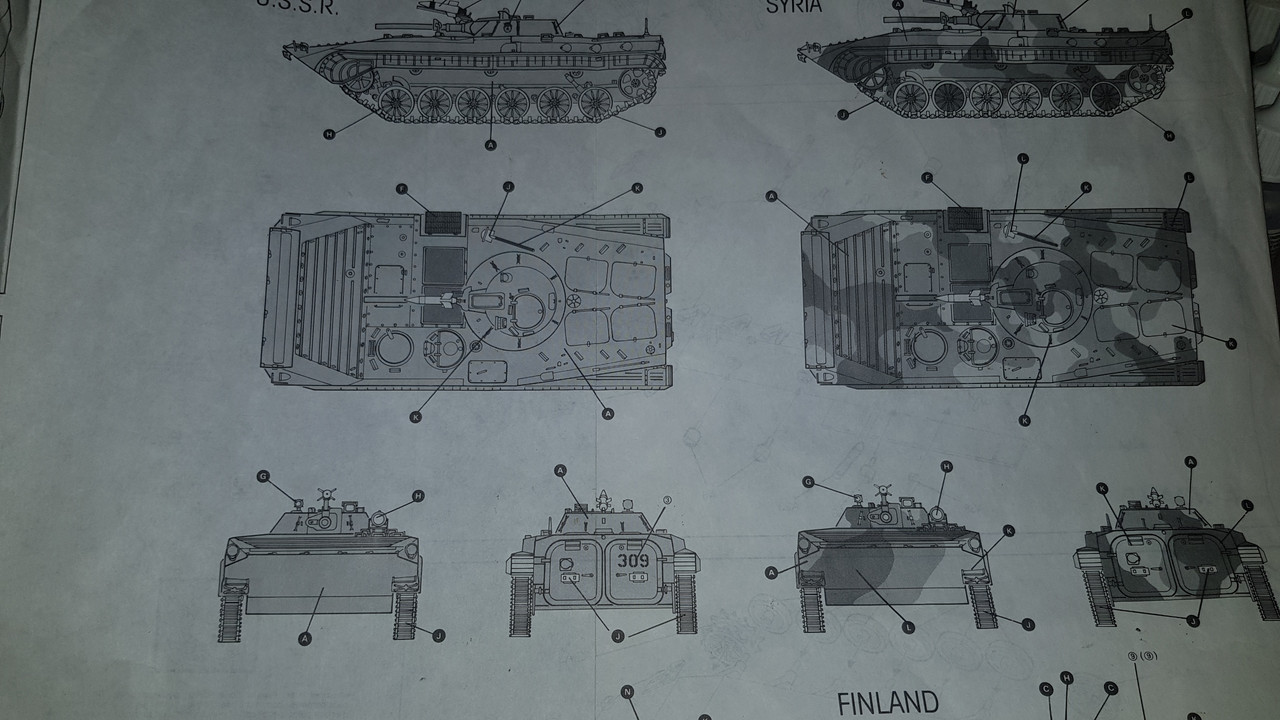
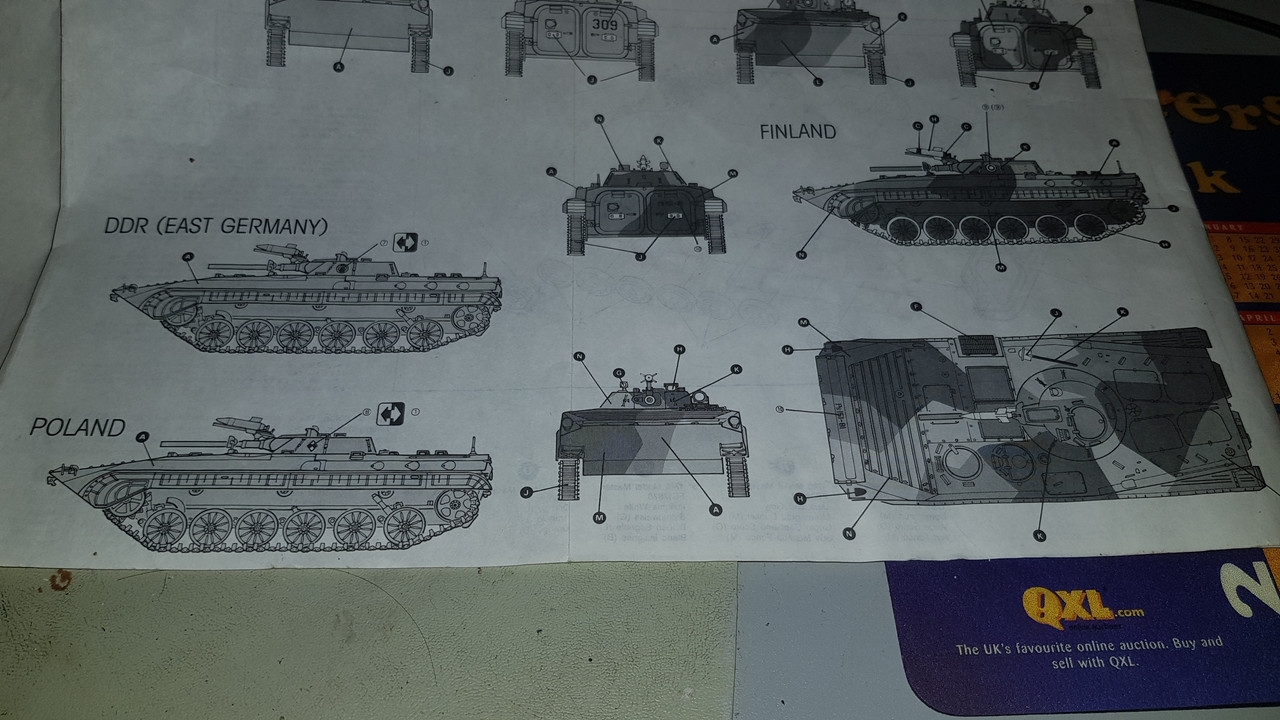
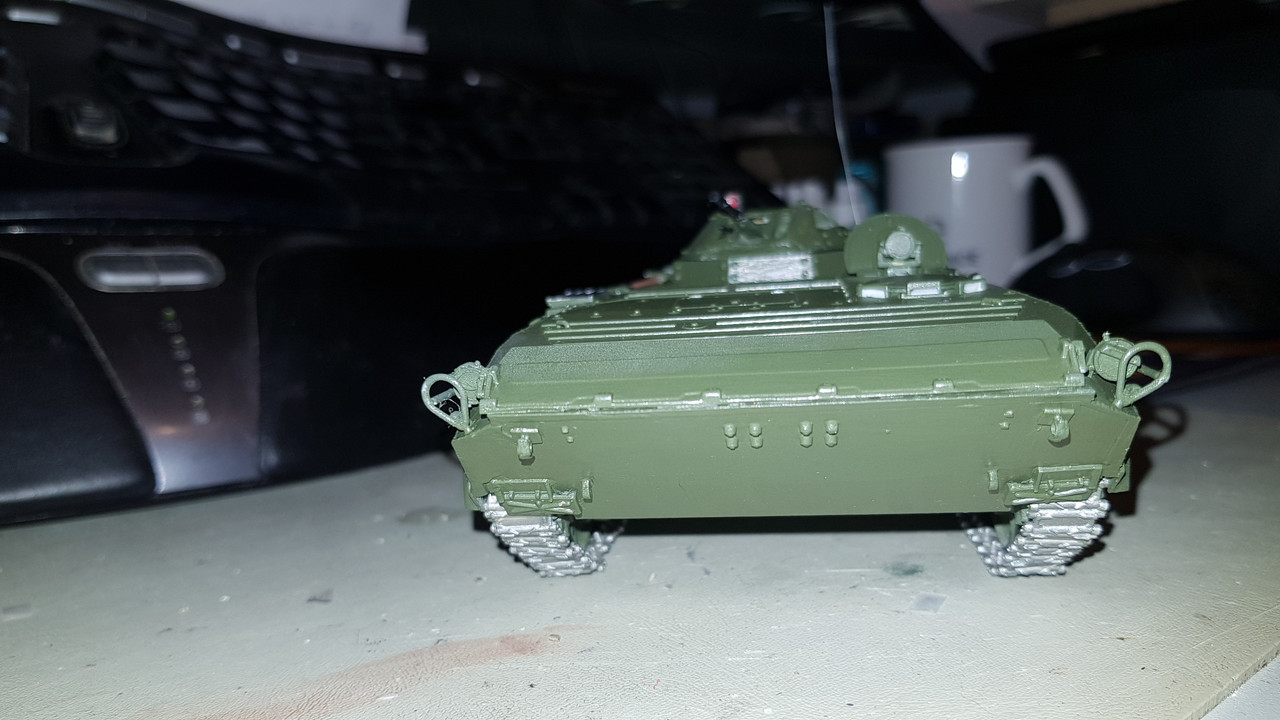
The kit itself goes together well - but as you can see from the instructions it is pretty basic by modern standards - no interior detail at all, no PE at all. Externally it is quite good as it goes with not much needed to be added - the unditching log secured above the rear doors springs to mind as well as the canvas covers for the entire vehicle that is usually stowed in straps on the rear of the turret.
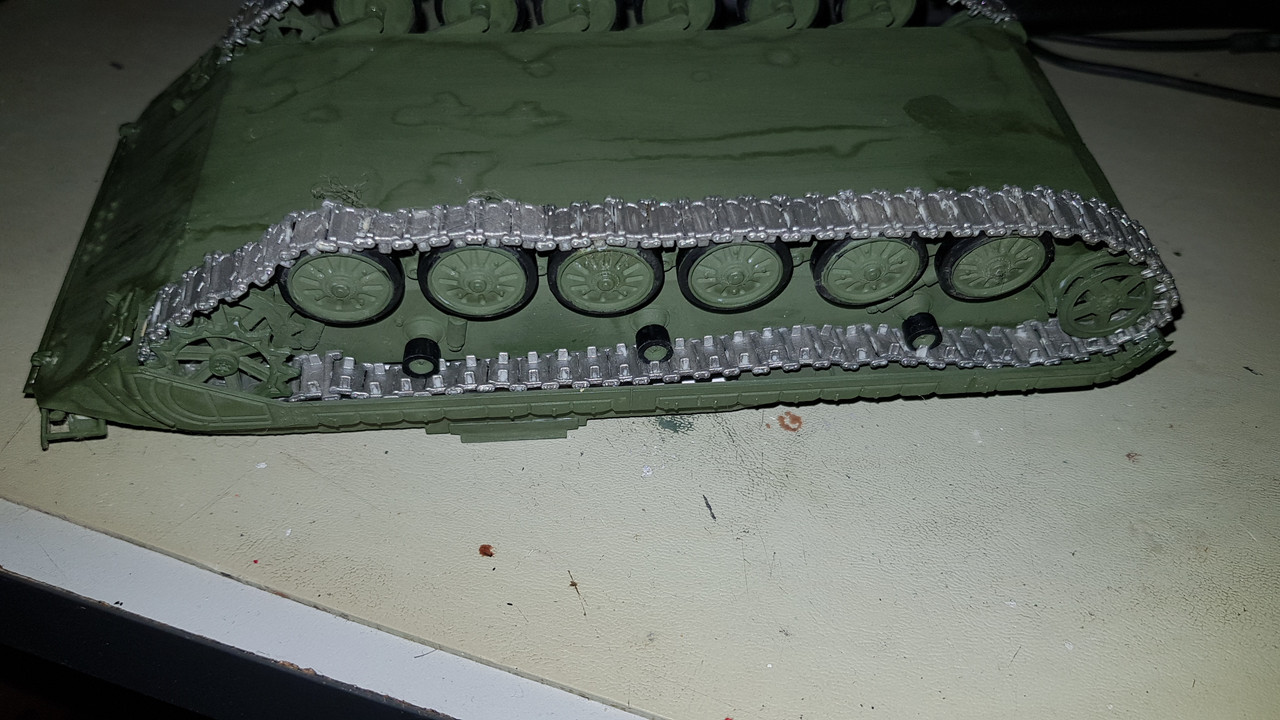
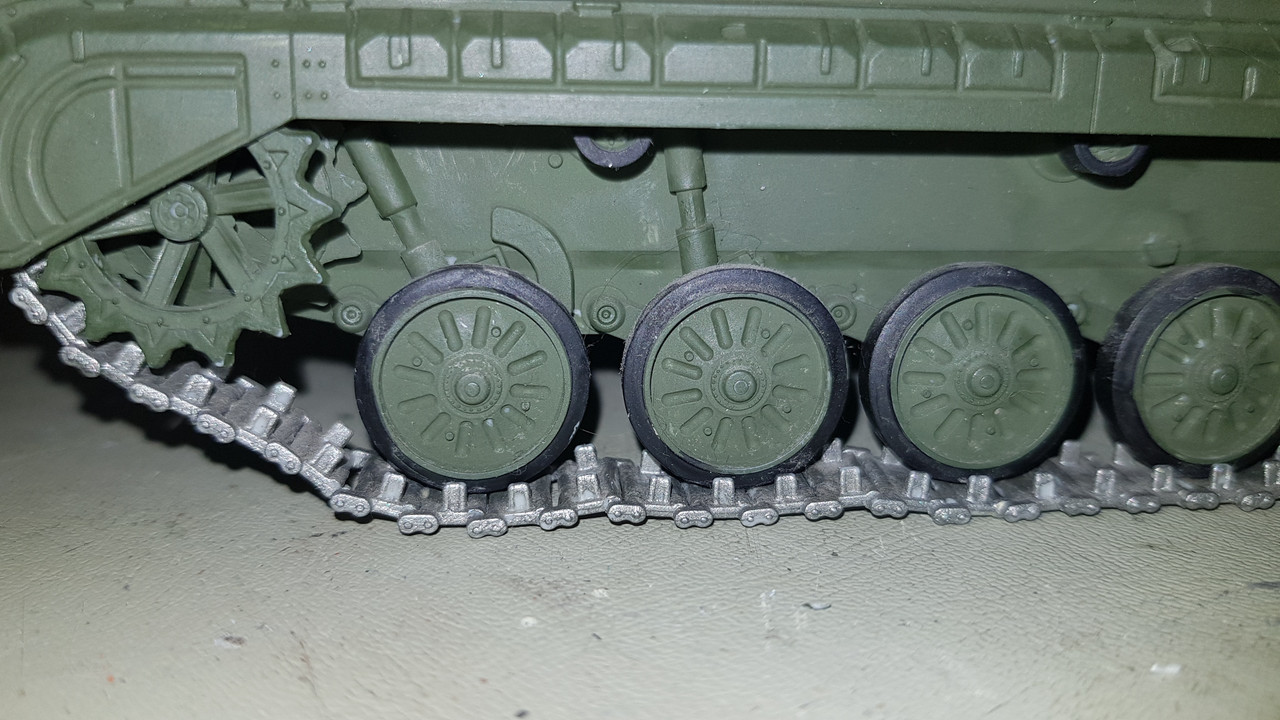
If there is one part of the kit that is a right PITA it is the tracks - they just push together to form the continuous links and these links do not hold well at all. As I have found - in the past and yesterday - one good tap on the hull by mistake can result in 90-odd pieces of track link laying around the road wheels on each side of the vehicle. And a couple of frustrating hours work putting them back together again..
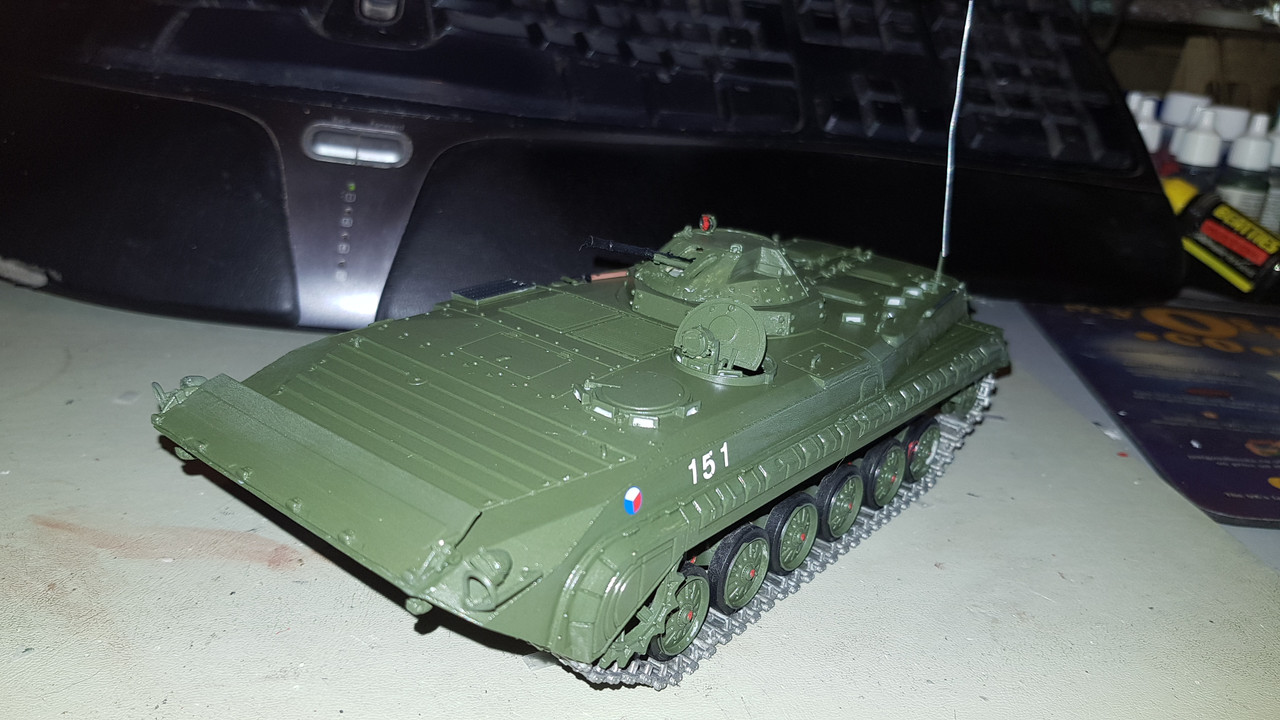
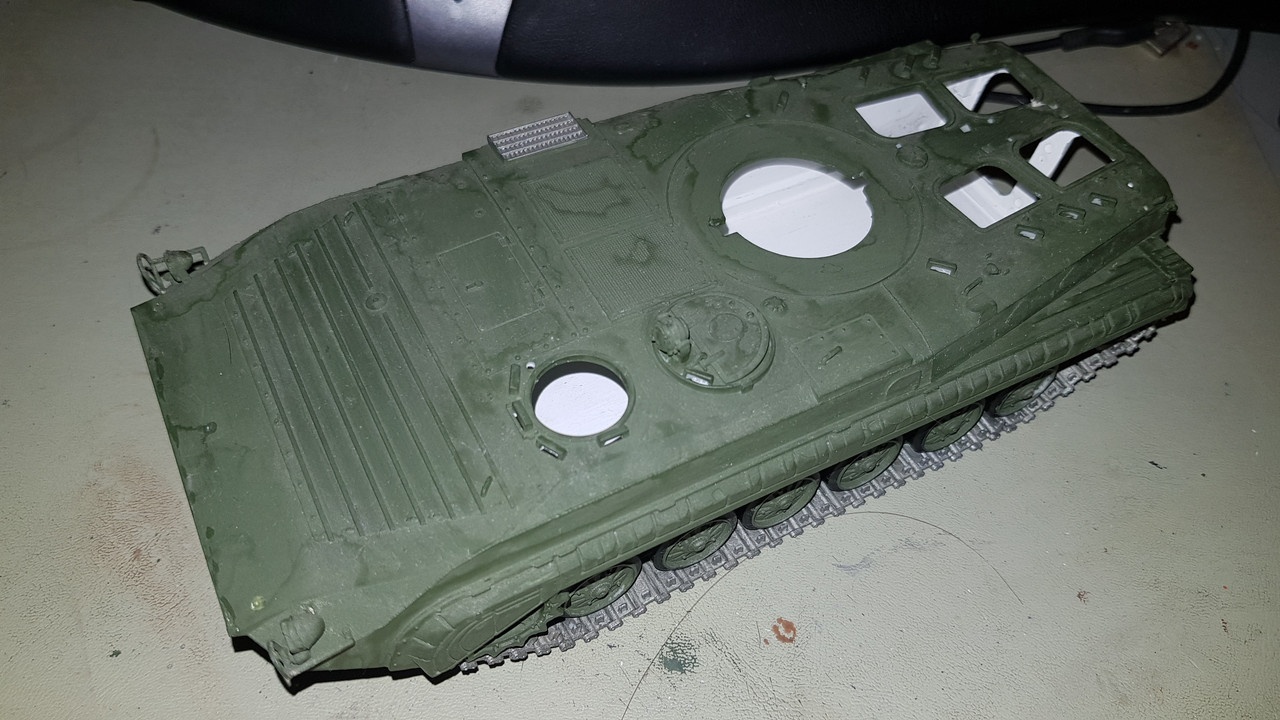
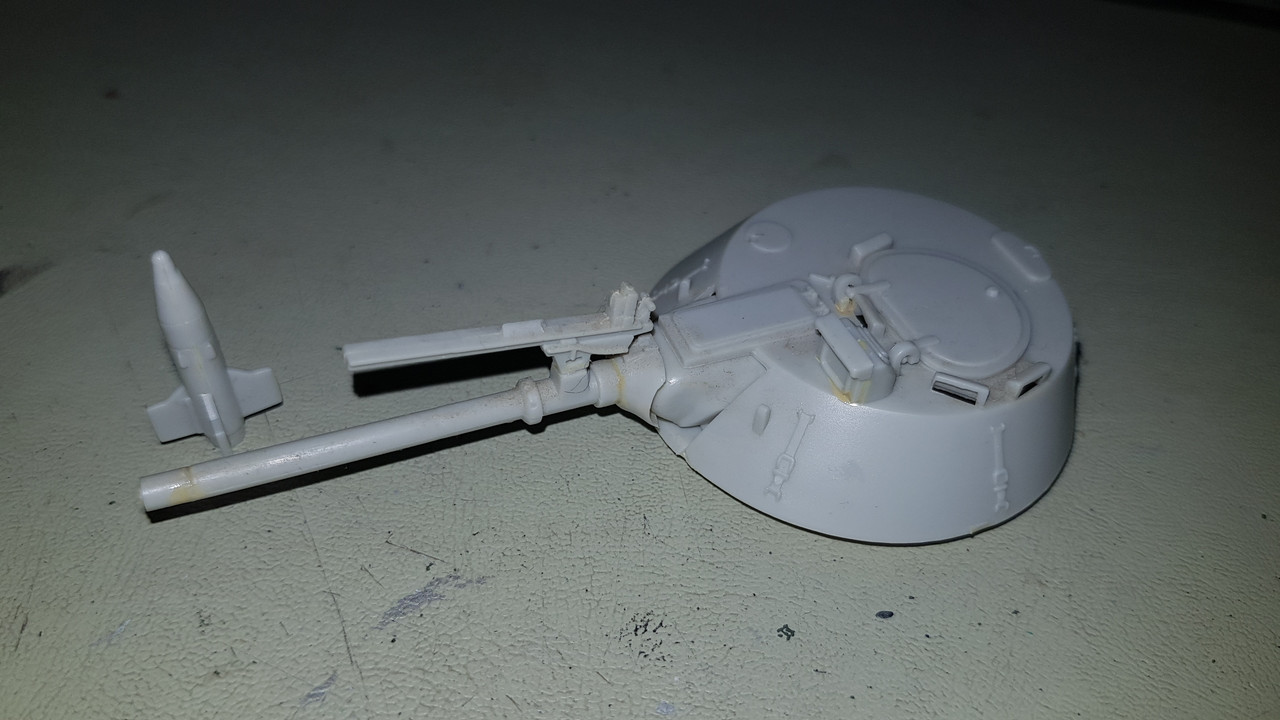
As it stands now before work resumes this is the state of play:
The base hull
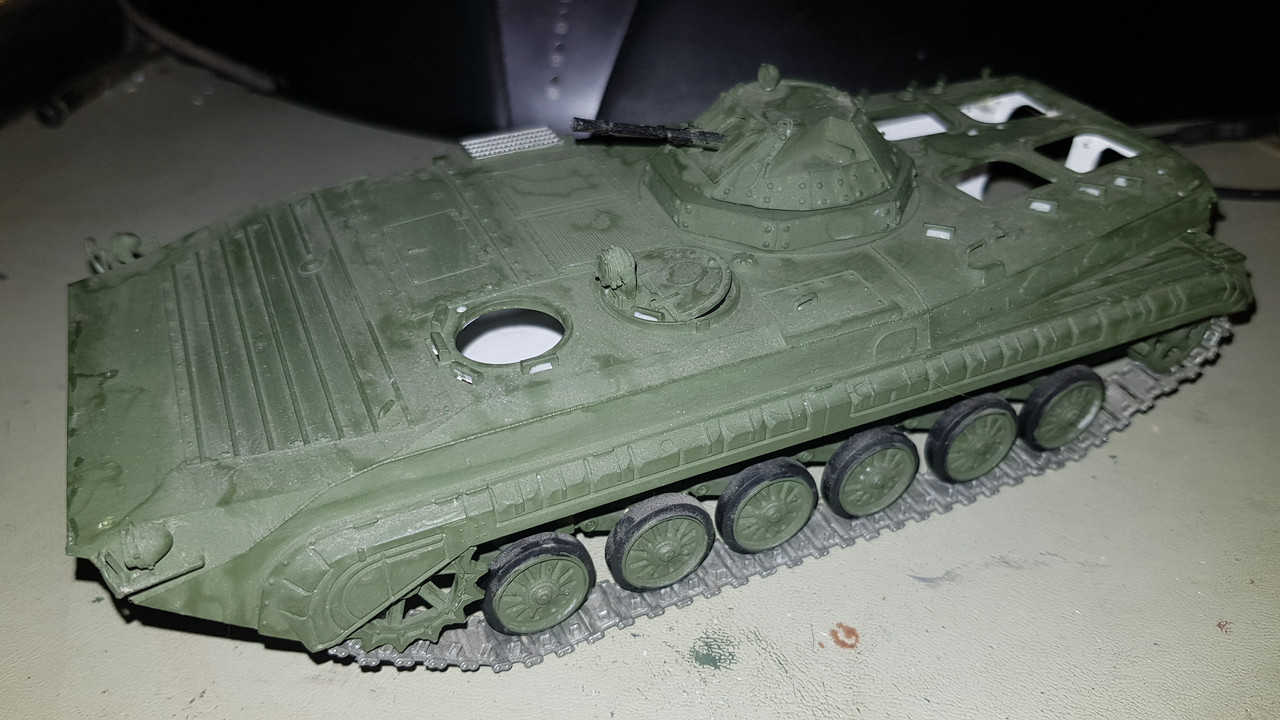
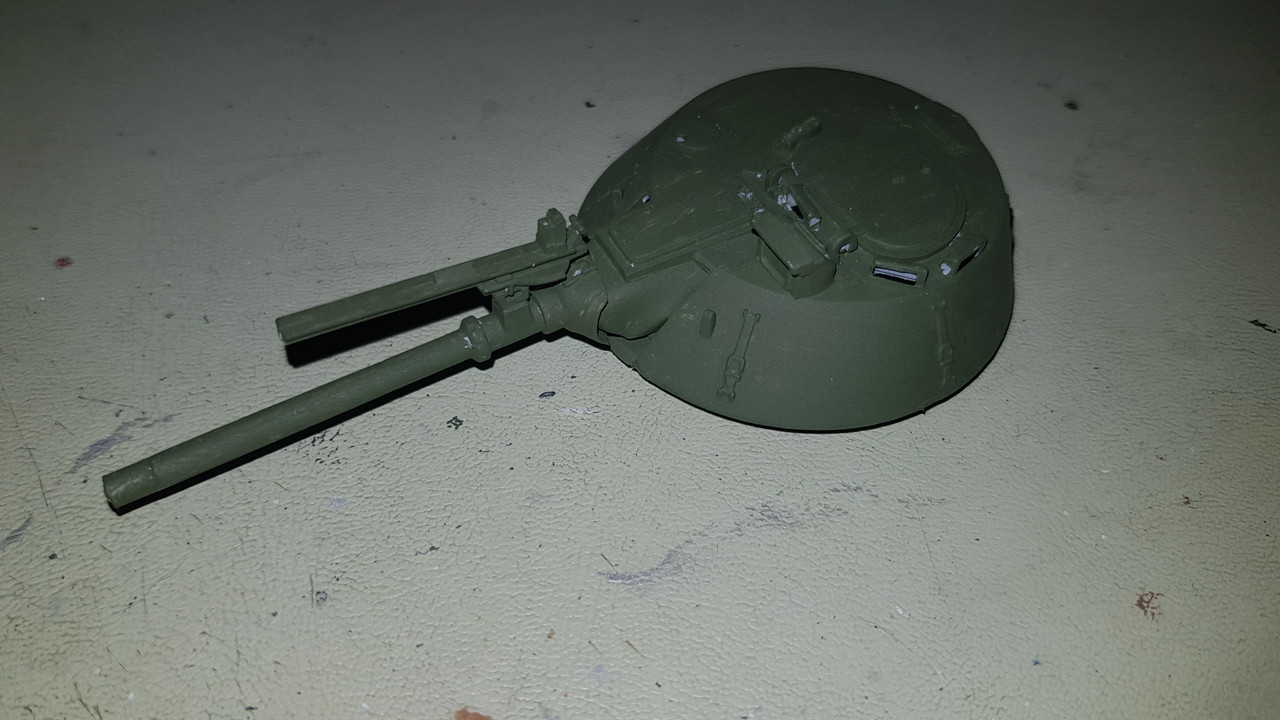
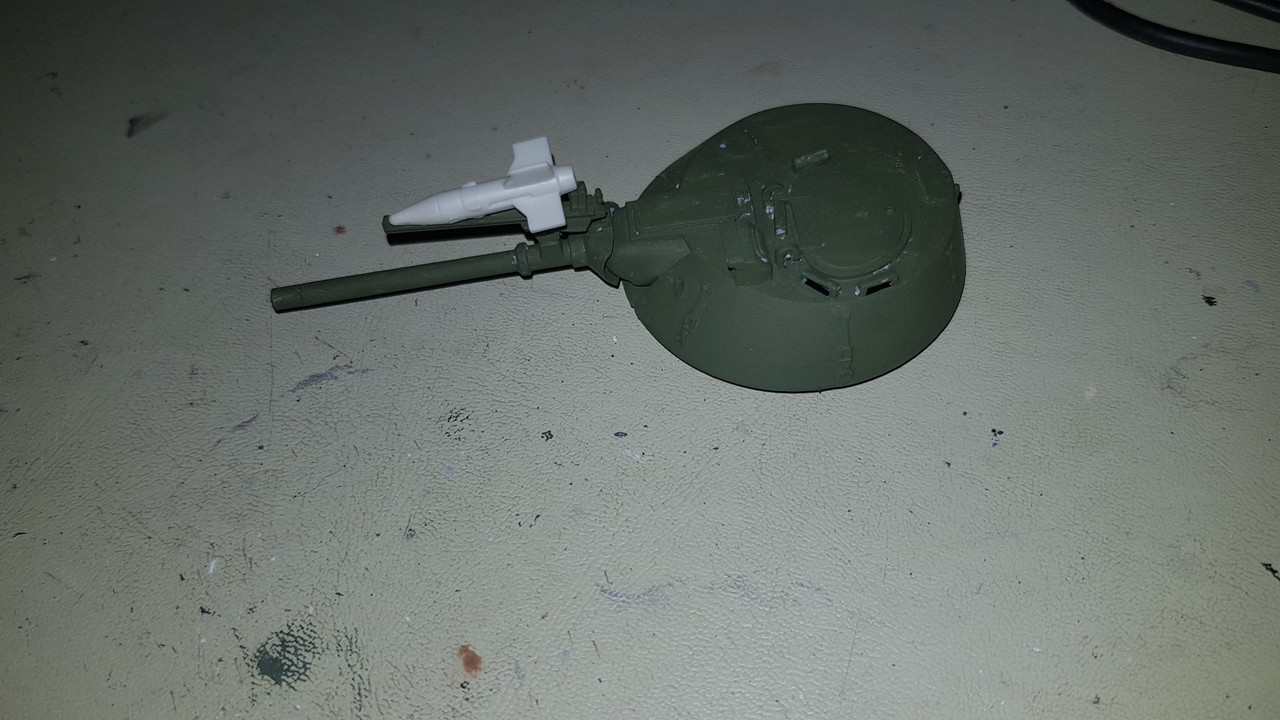
The BMP-1 turret and Malyutka
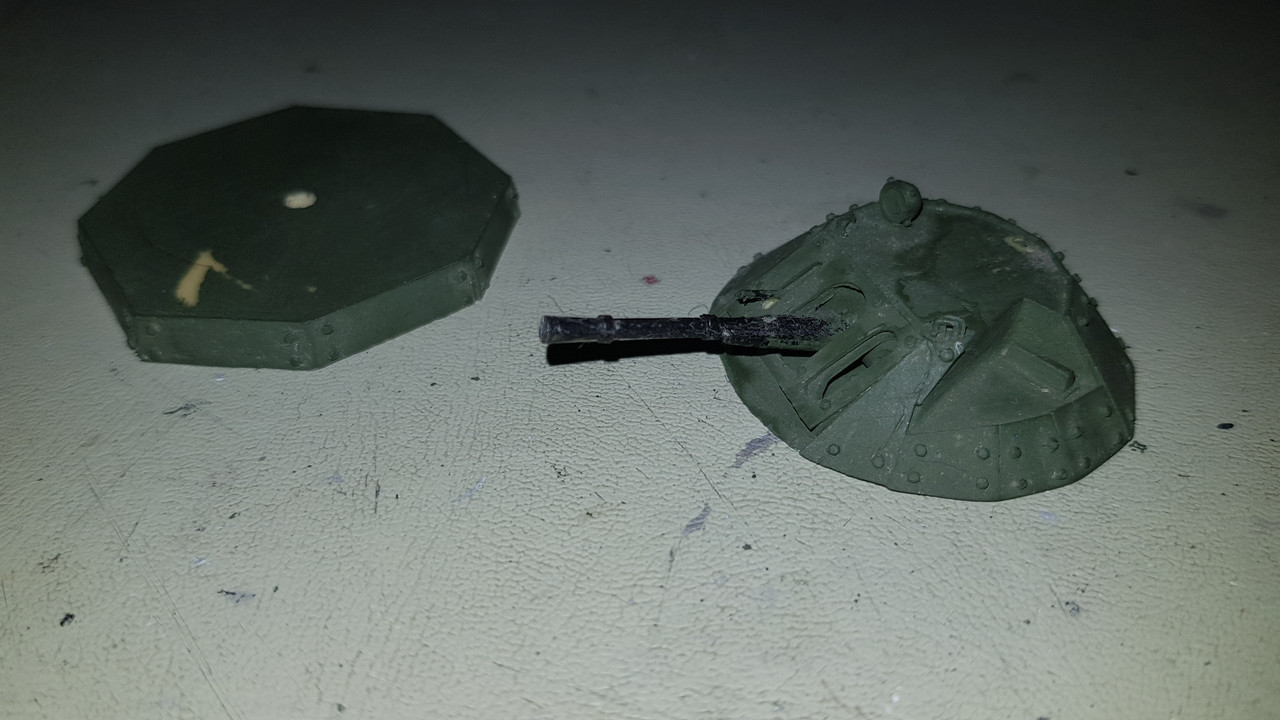
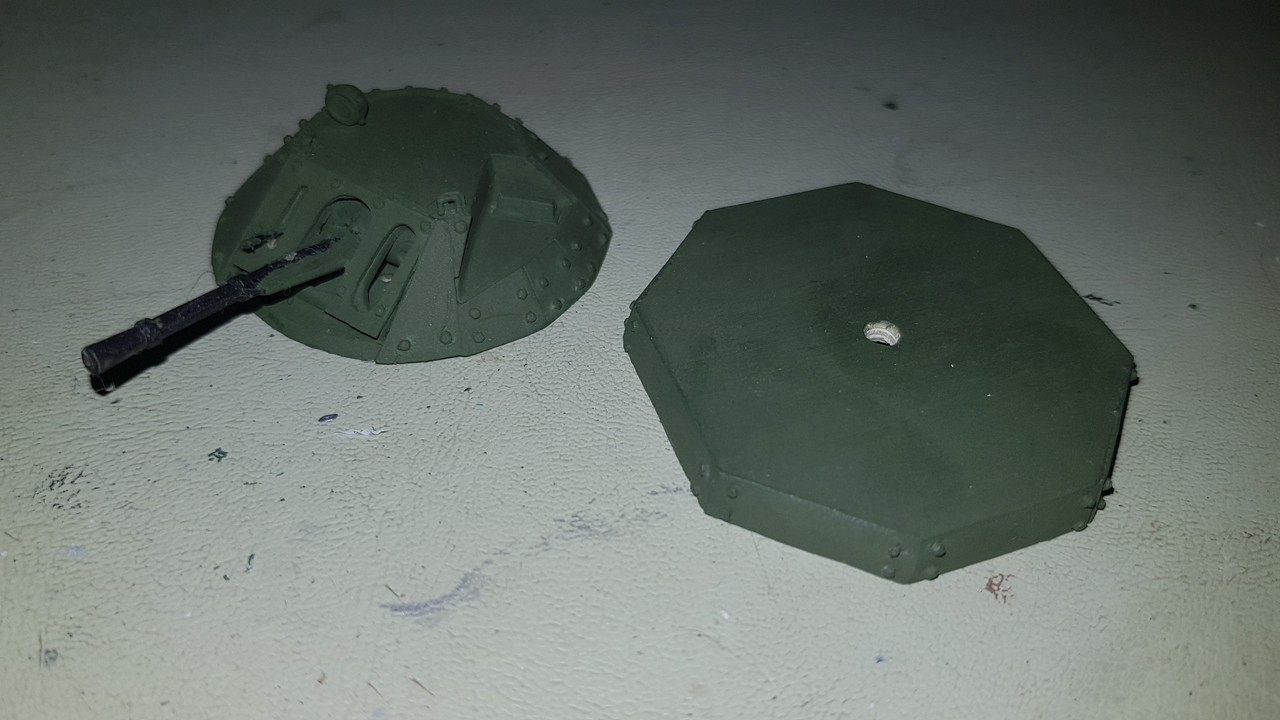
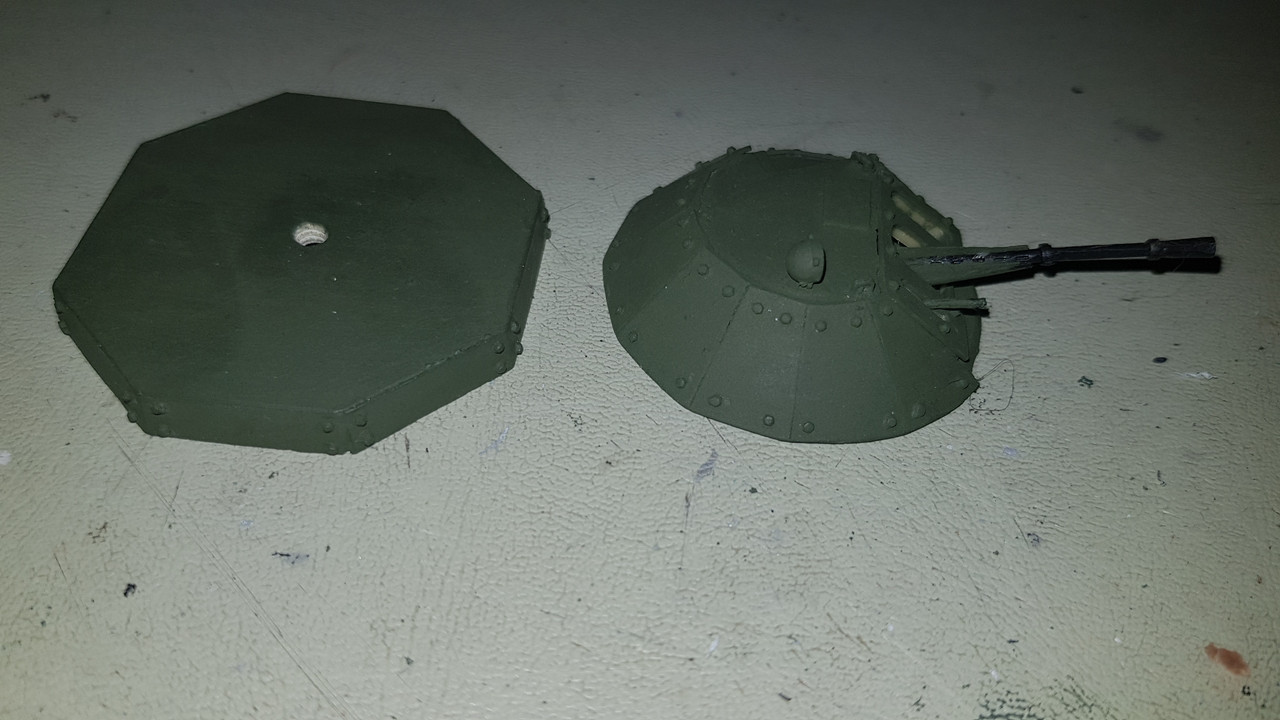
The Panzer Shop OT-90 conversion
BMP-1 configuration

OT-90 configuration
Tracks and return rollers
First the history lesson:
The original BMP (Боевая Машина Пехоты 1; БМП-1 in the original mother tongue) - literally fighting machine of the Infantry - resulted from an in-depth analysis carried out by the Soviet Forces of the various tactics used for getting infantry into battle during WW2 and just after. It was realized that the best way and most effective way is to have the troops move with the tanks. The original transports of the 1950's - the BTR-40 and BTR-152 were effective at actually transporting troops on and off road but lacked real armour protection on the sides, were totally exposed to aerial bursts and had no NBC (Nuclear, Biologicical, Chemical) protection. A grave failing in the nuclear age!! Several design projects were put forwards by various design bureaus in response to the Defence Ministries request - wheeled, half tracked, tracked, hybrid etc Of all these Ob'yekt 764 (codename Object 764) was chosen as the path to follow because the front engine design allowed rapid disembarkation of troop either out of the roof hatches or the two rear doors. Weapons ports down the both the sides starting with a "D" shaped port for the RPD squad machine gun then followed by 3 tear drop shaped ports for the AK's. One more AK port was provided in the Left Rear door allowing the infantry to fight from within the vehicle. To aid this an extraction system ran down each side connected to deflector cover plates by rubber tubes. These clipped over the breech on an AK47 or 74 and served a dual role in deflecting hot spent cases down to the floor instead of the next guys face as well as extracting the cordite fumes out every time the weapon was fired, Another rail run above this with short spurs on, tipped by rubber cones- this was part of the NBC system The actual system itself was basically a massively over pressure design that forced air out rather than letting it in as it was designed to cope with the weapons ports being open in an NBC environment (switching the system on with all hatches closed produces an agonizing pain in the ears within seconds) the second rail though was a stepped down system that provided fresh air to the troops gas-masks. The hose for the GP-5 mask gets removed from the filter cartridge in the usual bag and fitted onto the rubber tipped spurs
Additionally the engine and transmission added a layer of protection to frontal attacks for the gunner, ammunition and troops. The vehicle first saw the light of day in 1964 for development testing, as a result of that the design morphed into Ob'yekt 765 and was first issued to the 120th Guards Rifle Division who carried out in-service testing. Actual production started in 1966.
A note here of Soviet testing methods - they varied greatly from the West. At the time we tested armour plate by putting sections taken from production lines and using bloody great swing hammers to test them for hardness. Not so our friends behind the curtain. They took an actual vehicle and fired live rounds at it testing it literally to destruction. Based on that - if it performed as expected - they took another vehicle, put a crew in it and repeated the live fire testing up to the design level of protection. If the crew survived all well and good. If not... Most Soviet armour of the 1960's and 70's had the advantage of being tested in live battles somewhere in the world because they sold it to all their allies and satellites. In the BMP-1's case it first saw action in the Middle East with Egyptian and Syrian forces in the 1973 Yom Kipur war. Lessons learnt there were applied to Soviet vehicles right up to the 1980's Afghan excursion where the limitations of the BMP-1's turret - particularly the angle of elevation of the main gun were a critical weakness. Shortly after shipping the design team out to Afghanistan the BMP-2 came into being with a better turret incorporating a high angle 20mm cannon in lieu of the 73mm smooth-bored "Grom" anti-tank gun of the BMP-1. The current iteration is the BMP-3 which remains one of the most effective IFV's in the world.
Fast forwards a few years from Afghanistan to the SALT talks of the 1990's where limitations were put on the number of anti-tank guns signatory countries could have. The "Grom" cannon was classed as an anti-tank gun and a lot of users opted to scrap the complete BMP - some stripped the turrets and made them command, recover or ambulance types whilst others scrapped the entire vehicle. Not so the Czech - an eminently practical country. They looked at the situation and through "We have the 8 wheeled SKOT-64 coming to the end of its service life that has a still practical and useable turret mounting the 14.5mm KVPT heavy machine gun in a high angle mount - and we have these BMP-1's with turrets we can't use but excellent hulls. So they stripped the original turret off the BMP-1, welded a hexagonal base on within the original turret ring and then mounted the SKOT-64 turret onto that - and thus the "Obreney Transporter" or - literally - Armoured Transporter, the OT-90 was born. Some other modifications were made - like adding a second shock-absorber onto the second set of roadwheels to improve the ride and handling but basically the hull remains a BMP-1.
For more information on the OT-90 have a look here: http://rangerneil.com/Military_Vehicles/OT90_index.html
The kit
As this is a mostly built kit there is no point is providing the sprue photographs because they are in the main empty but this is the instruction sheet:
The kit itself goes together well - but as you can see from the instructions it is pretty basic by modern standards - no interior detail at all, no PE at all. Externally it is quite good as it goes with not much needed to be added - the unditching log secured above the rear doors springs to mind as well as the canvas covers for the entire vehicle that is usually stowed in straps on the rear of the turret.
If there is one part of the kit that is a right PITA it is the tracks - they just push together to form the continuous links and these links do not hold well at all. As I have found - in the past and yesterday - one good tap on the hull by mistake can result in 90-odd pieces of track link laying around the road wheels on each side of the vehicle. And a couple of frustrating hours work putting them back together again..
As it stands now before work resumes this is the state of play:
The base hull
The BMP-1 turret and Malyutka
The Panzer Shop OT-90 conversion
BMP-1 configuration
OT-90 configuration
Tracks and return rollers
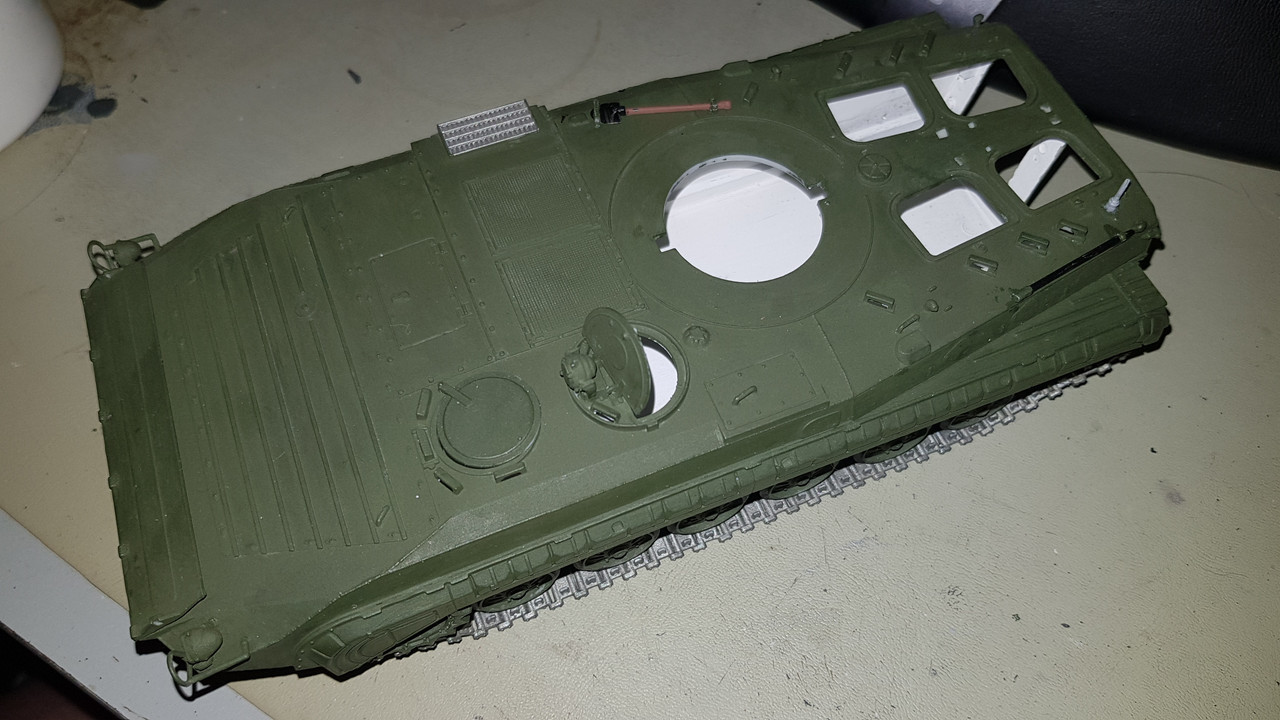
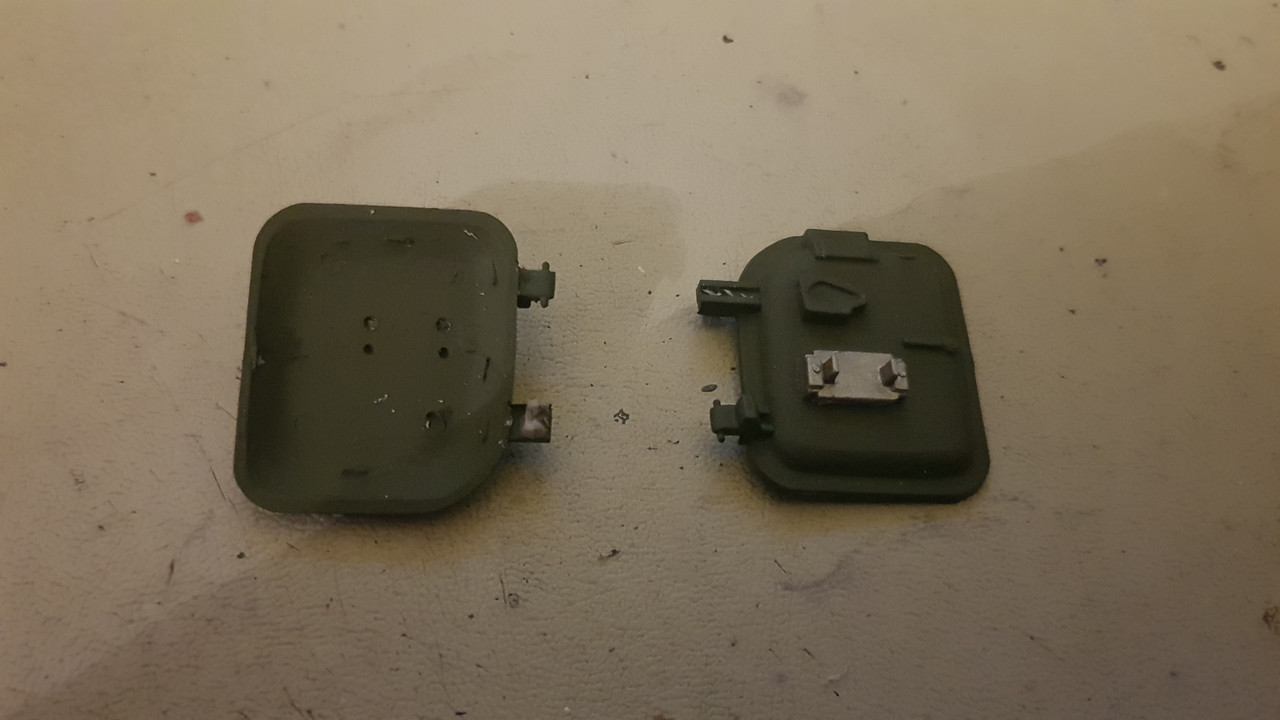
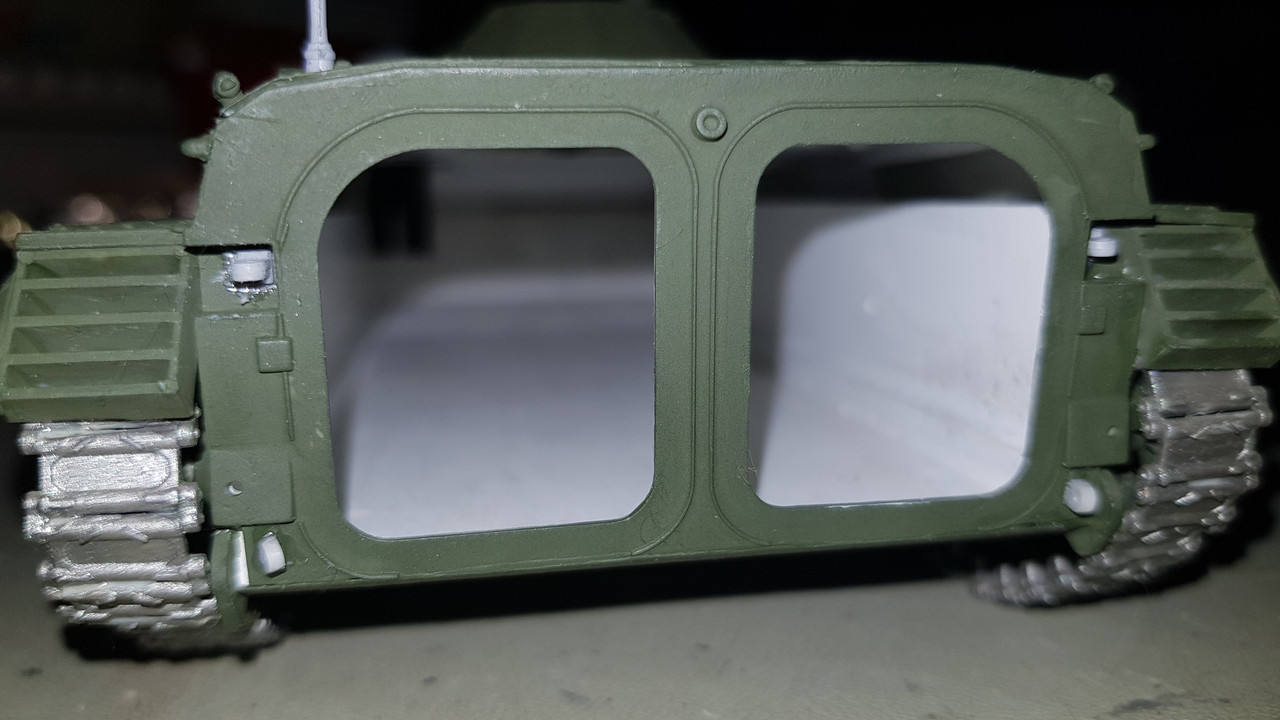
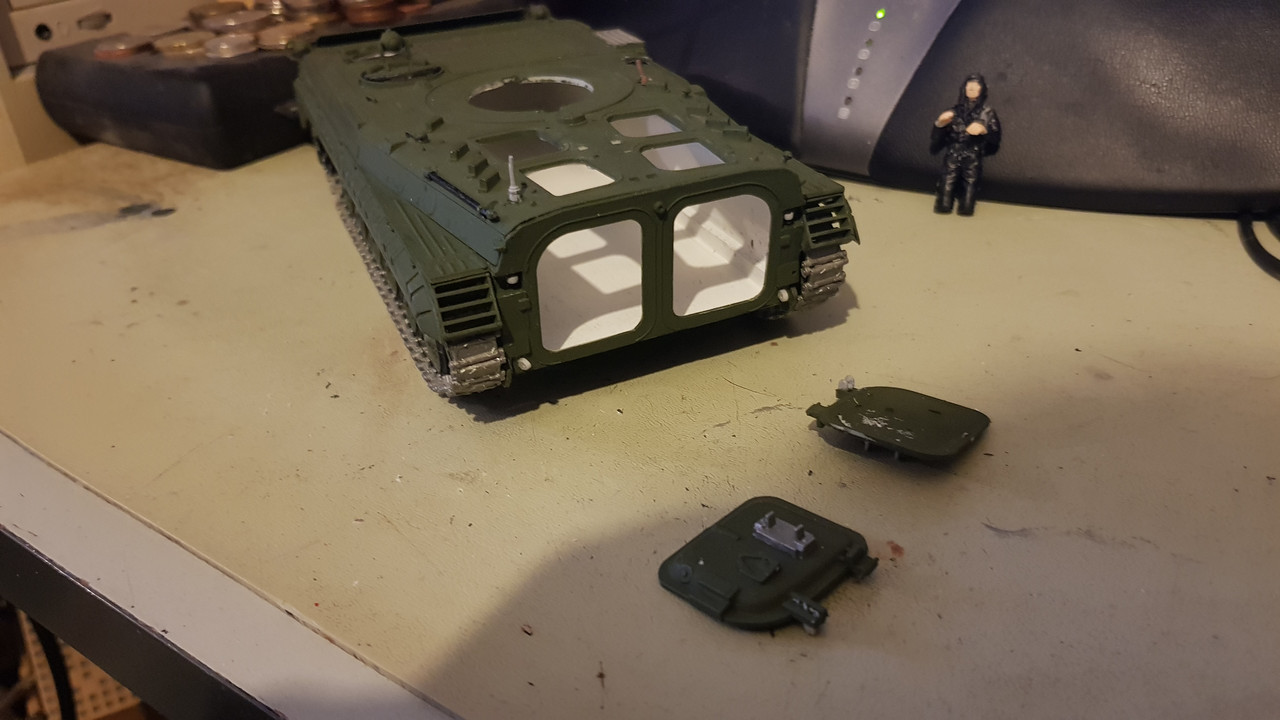
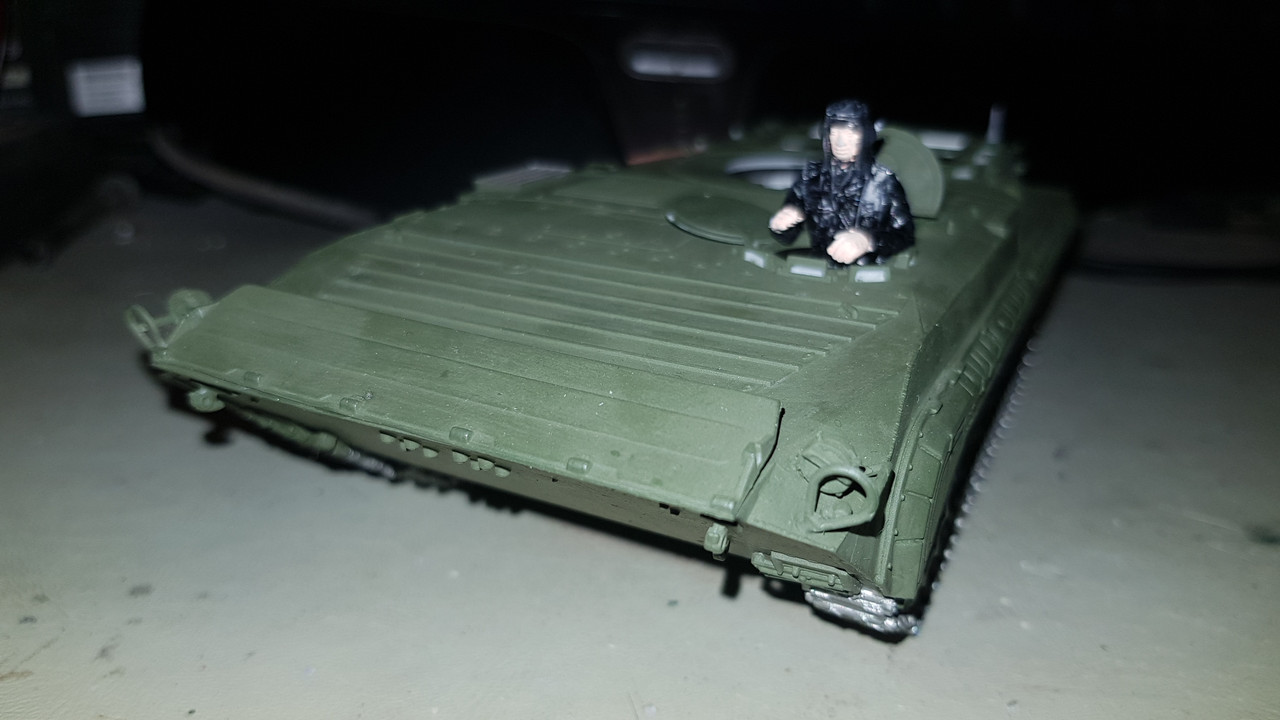
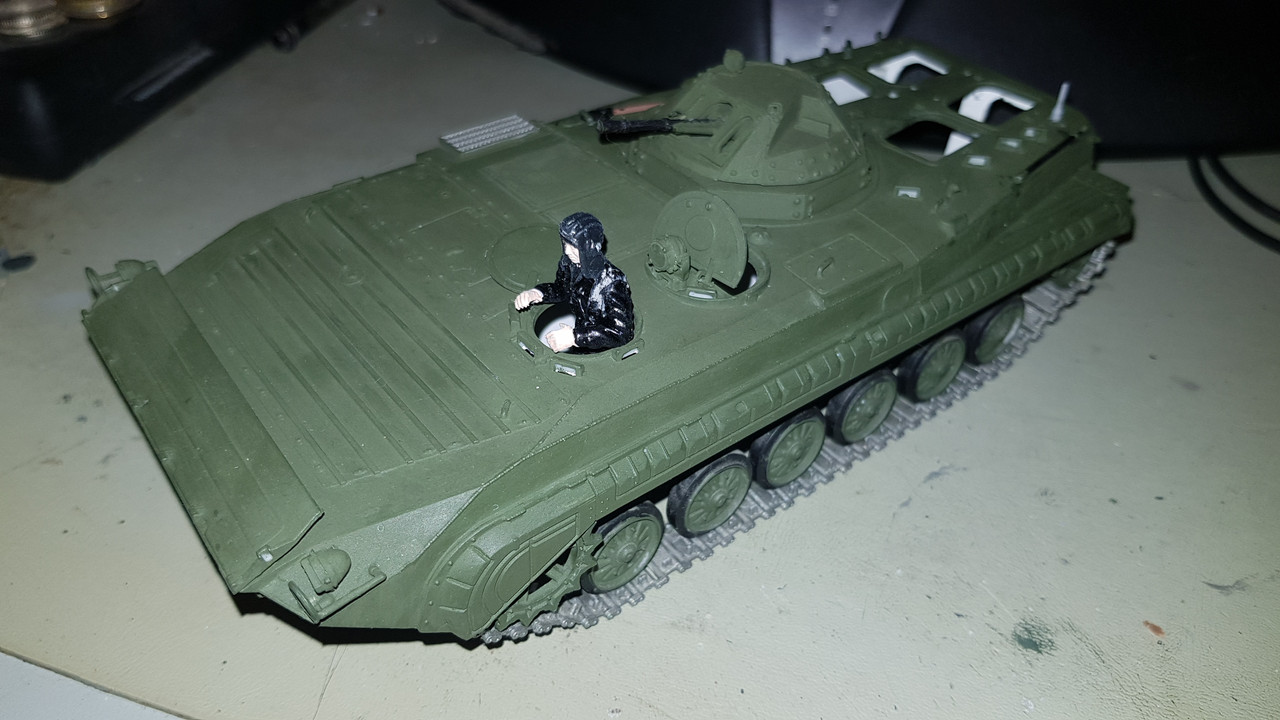
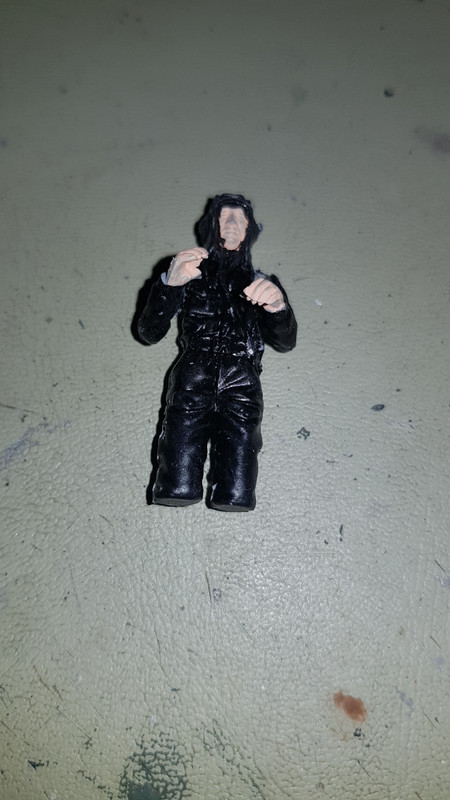


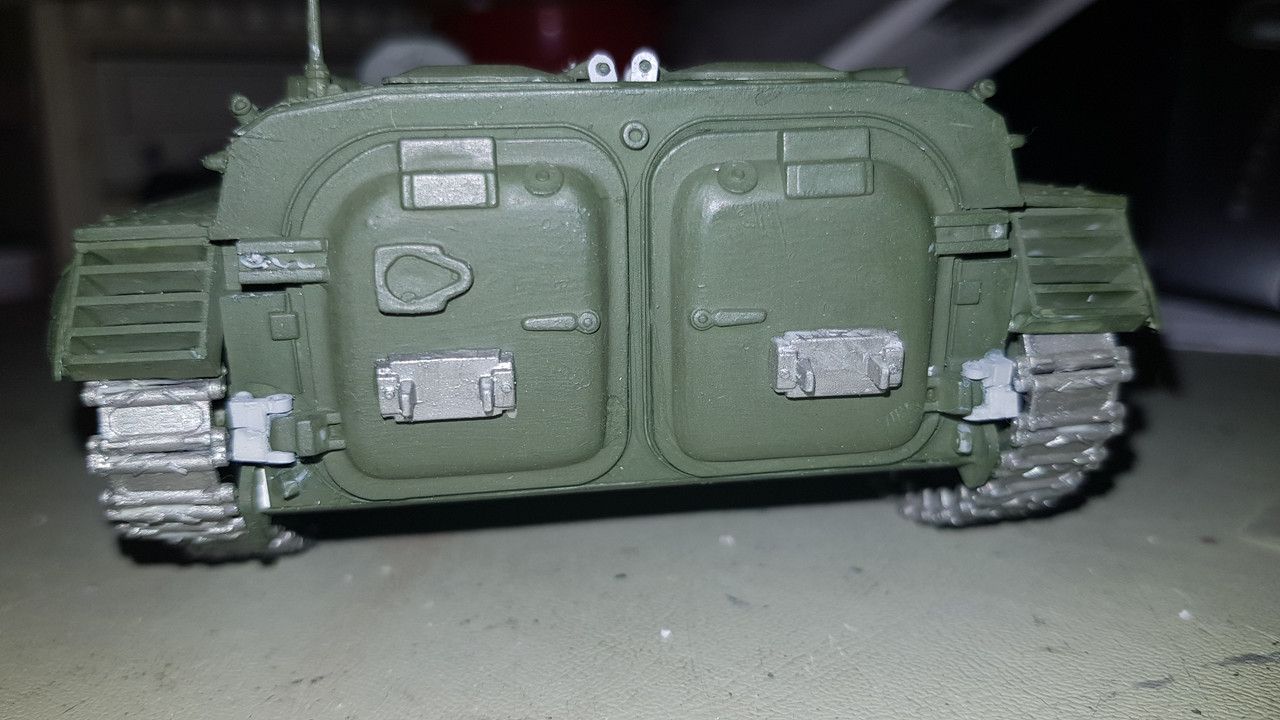
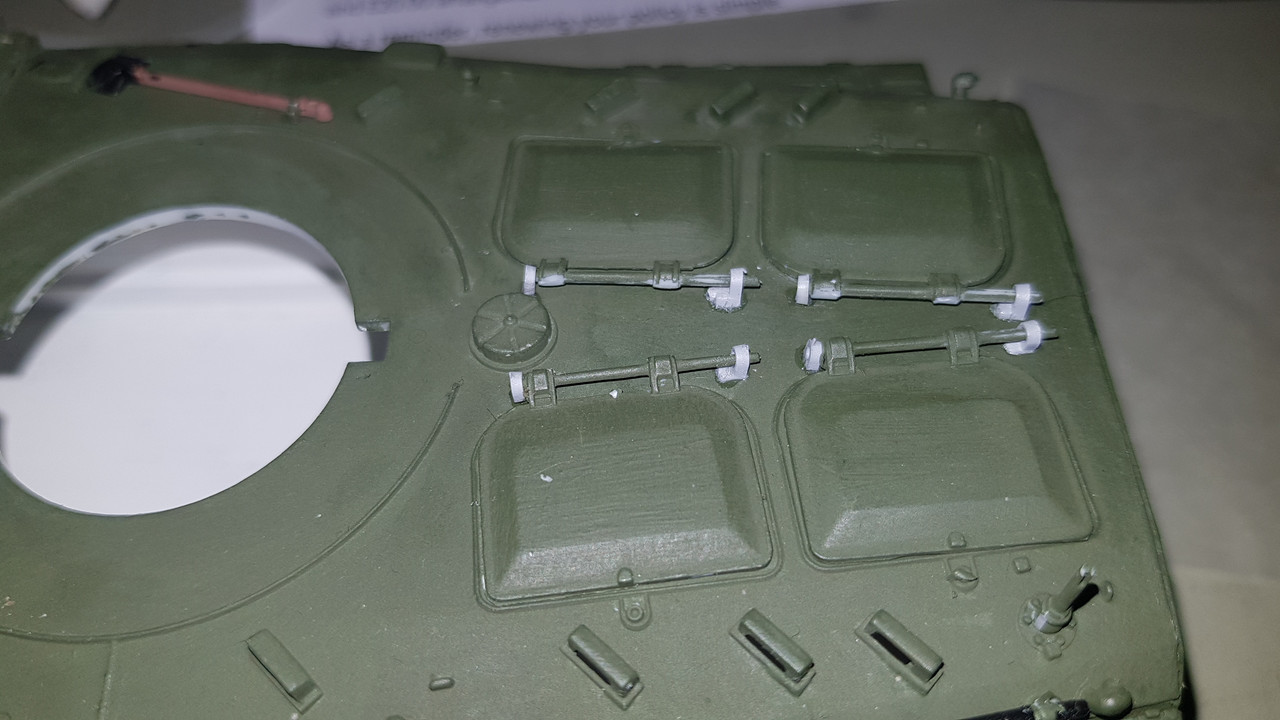
 Spent a couple of hours today fiddling with the hinges and hatches. I played with the idea of having the rear doors open - but the hinge design made that virtually impossible, so they are permanently closed: