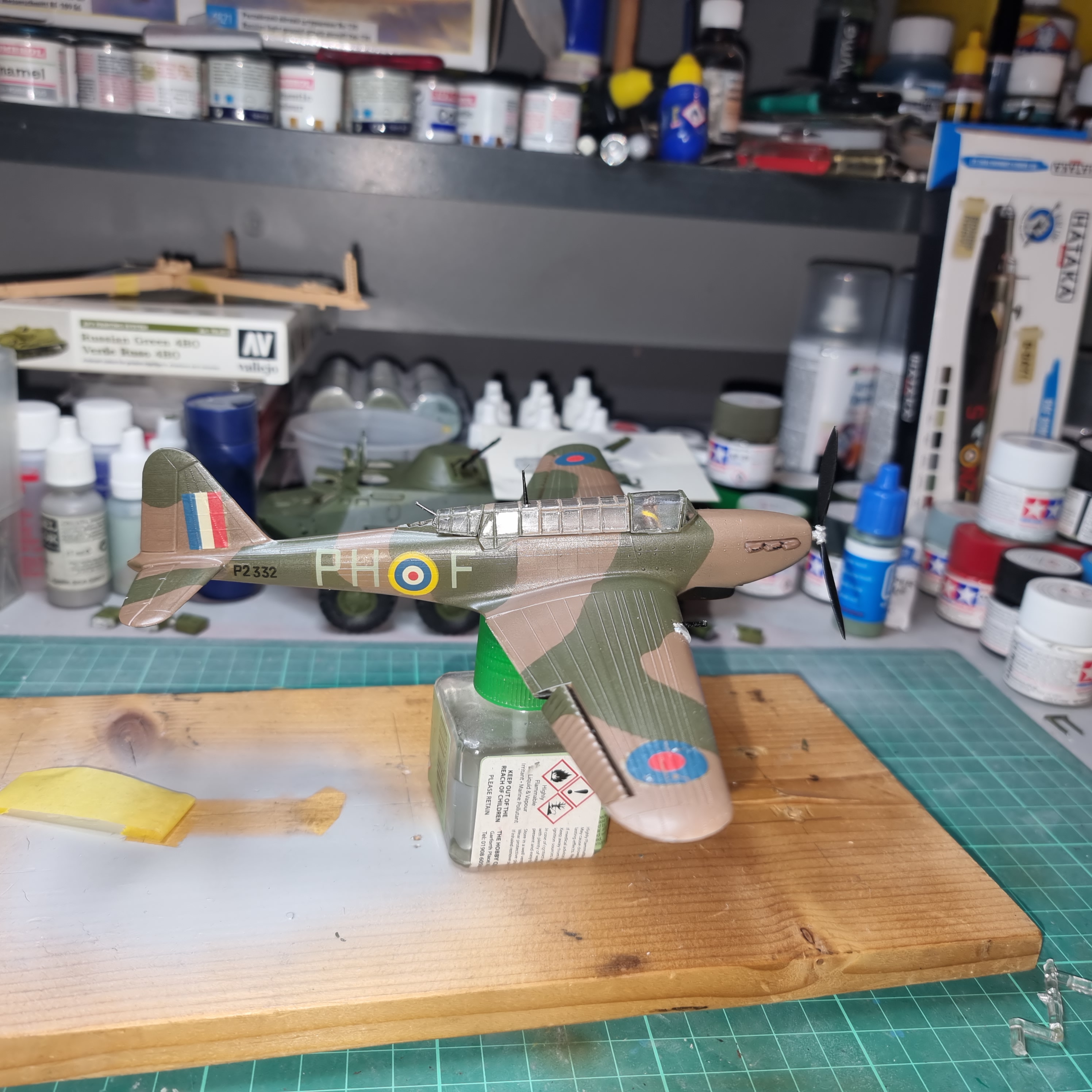
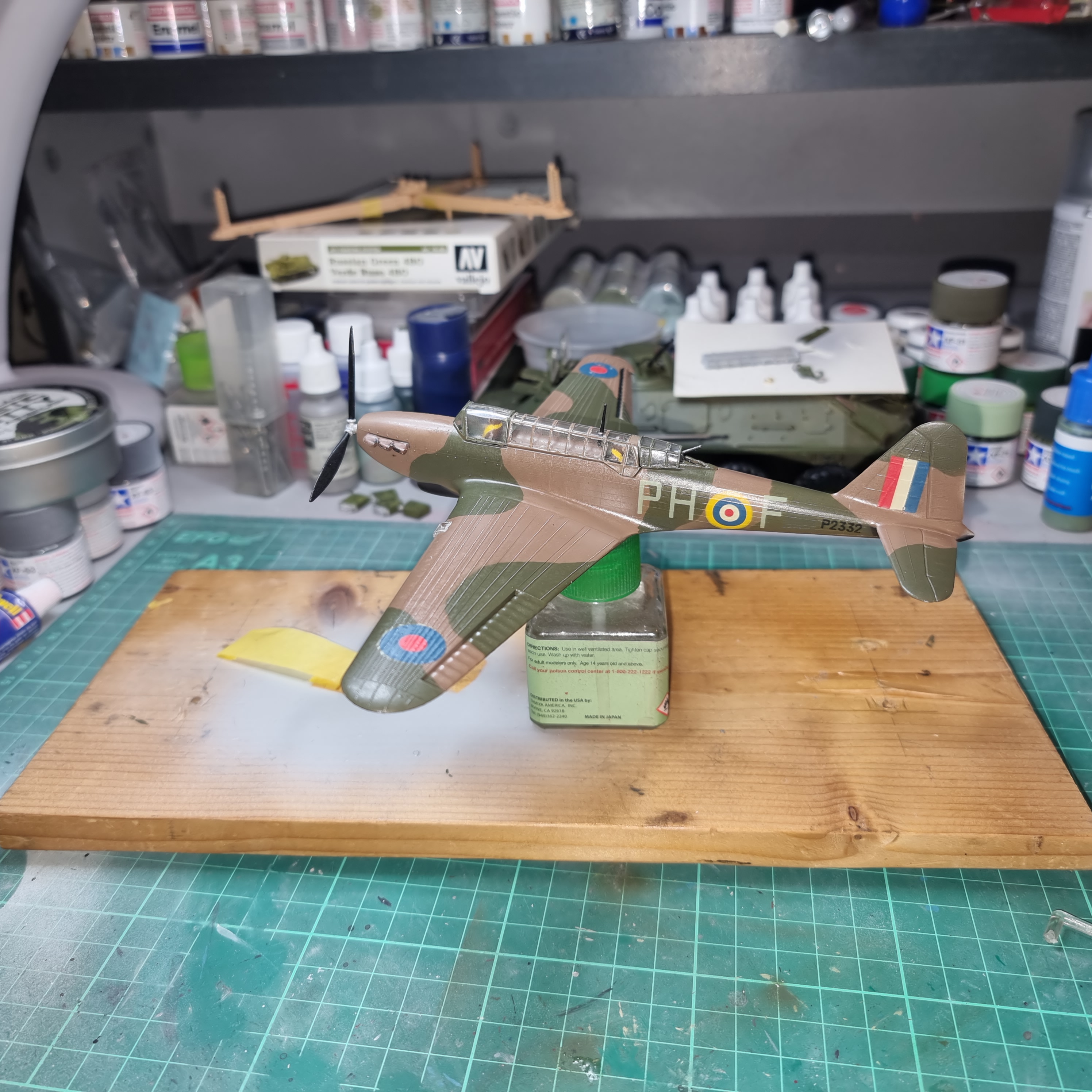
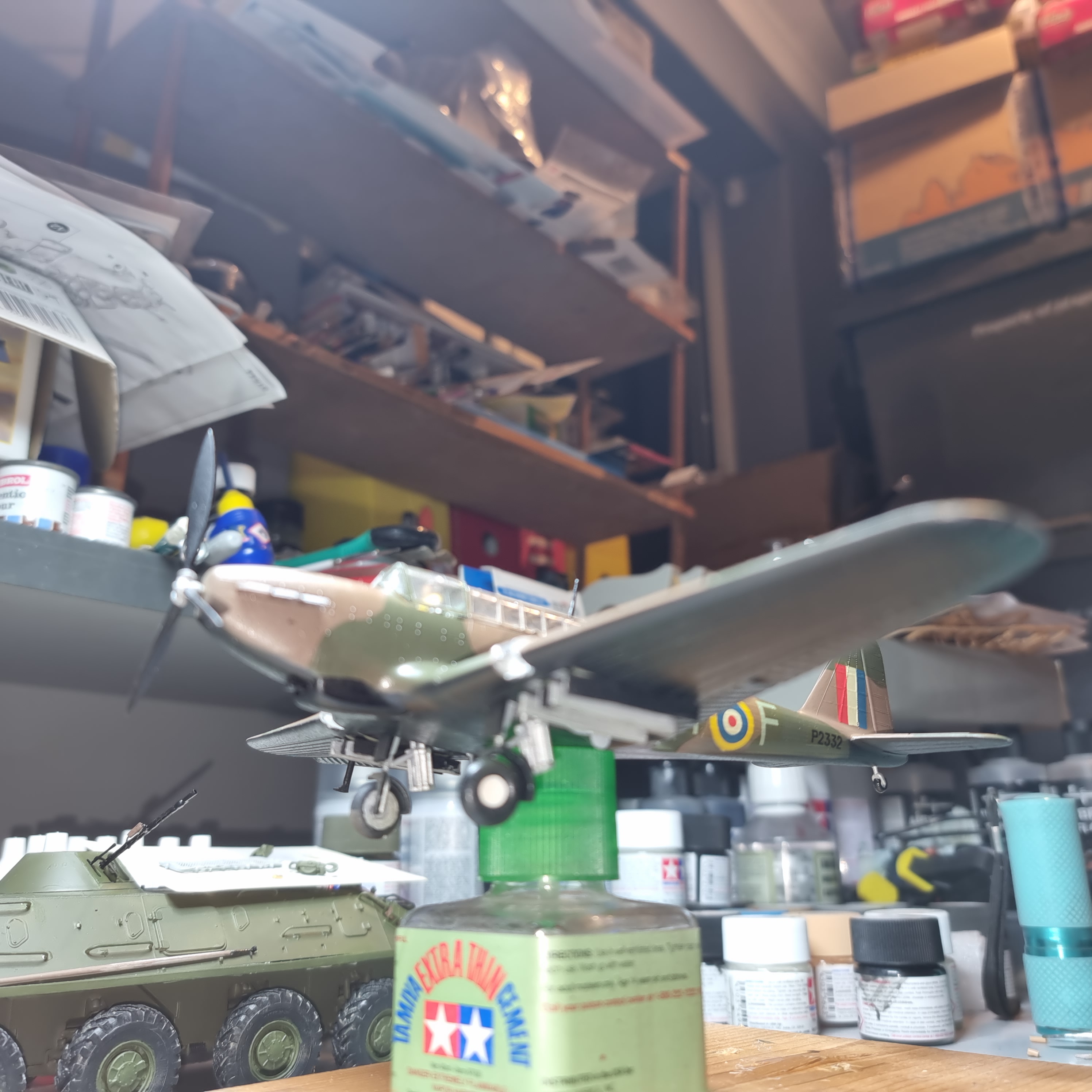
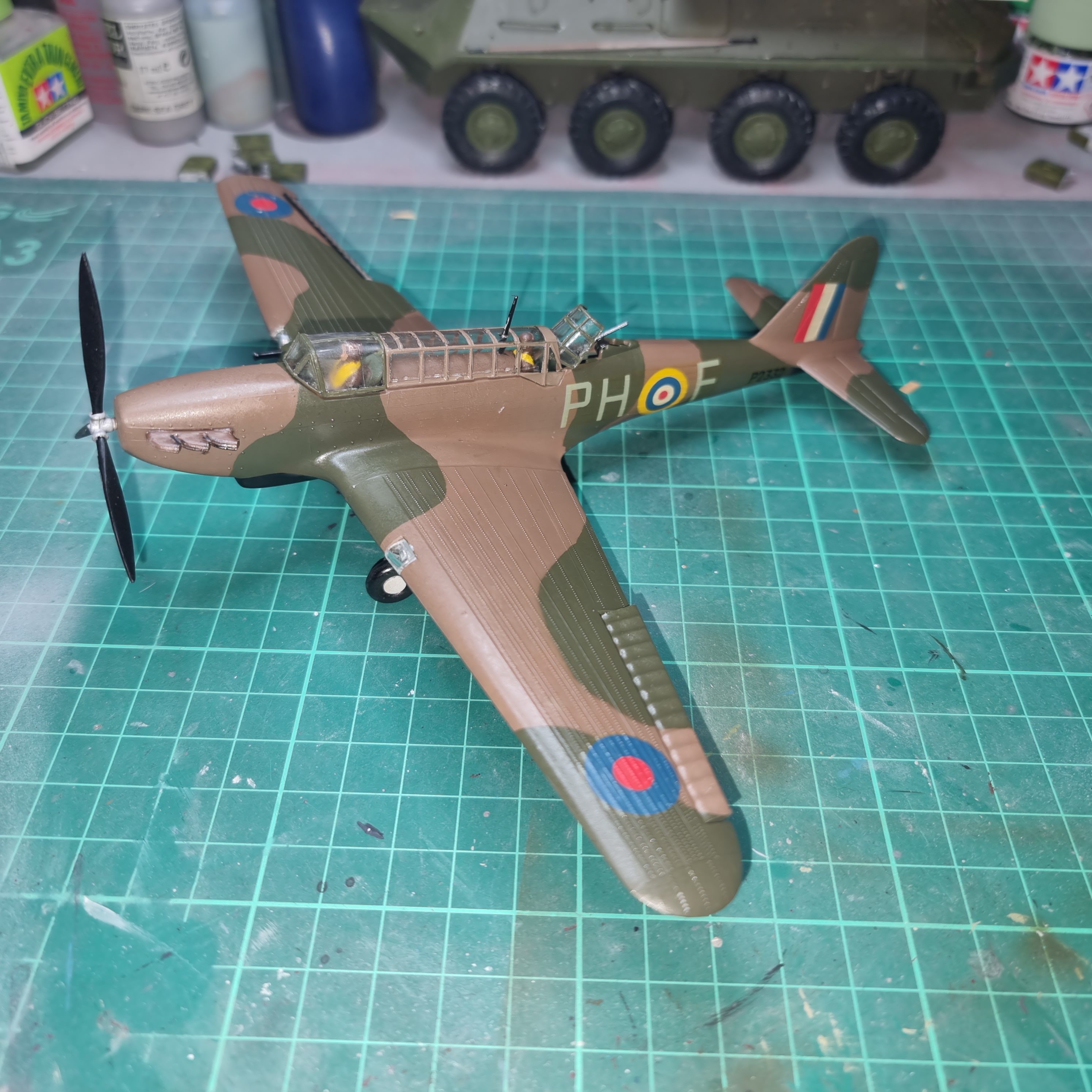
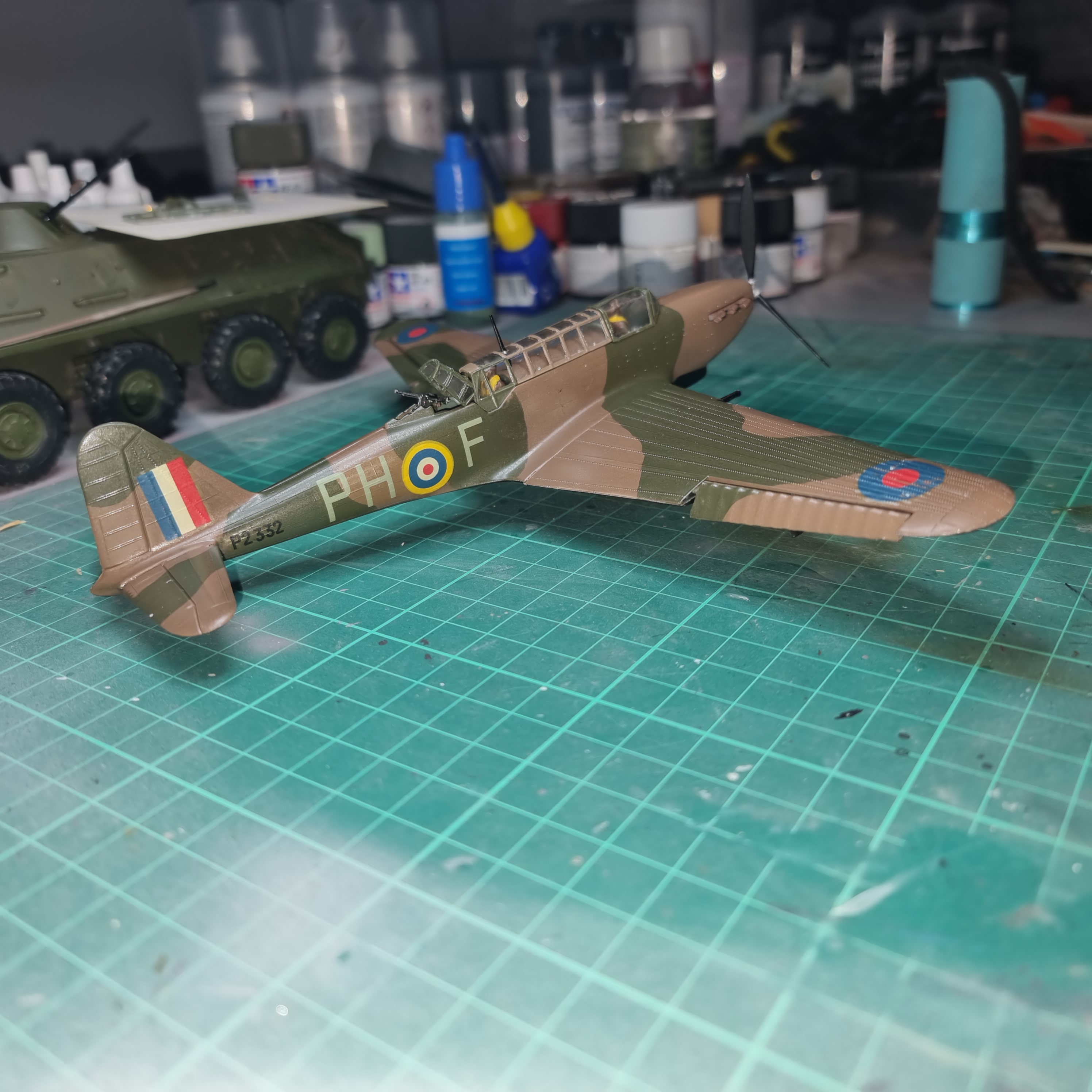
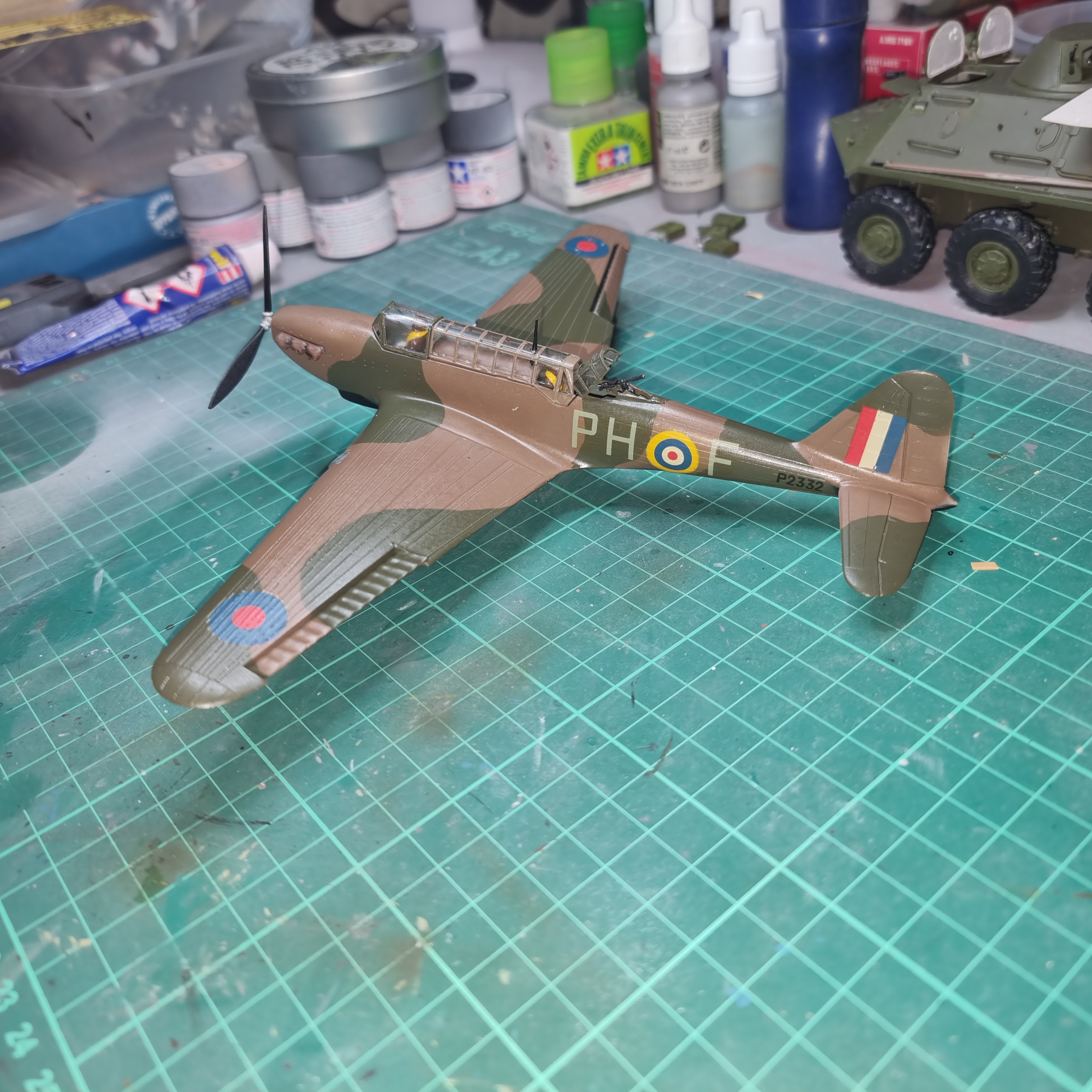
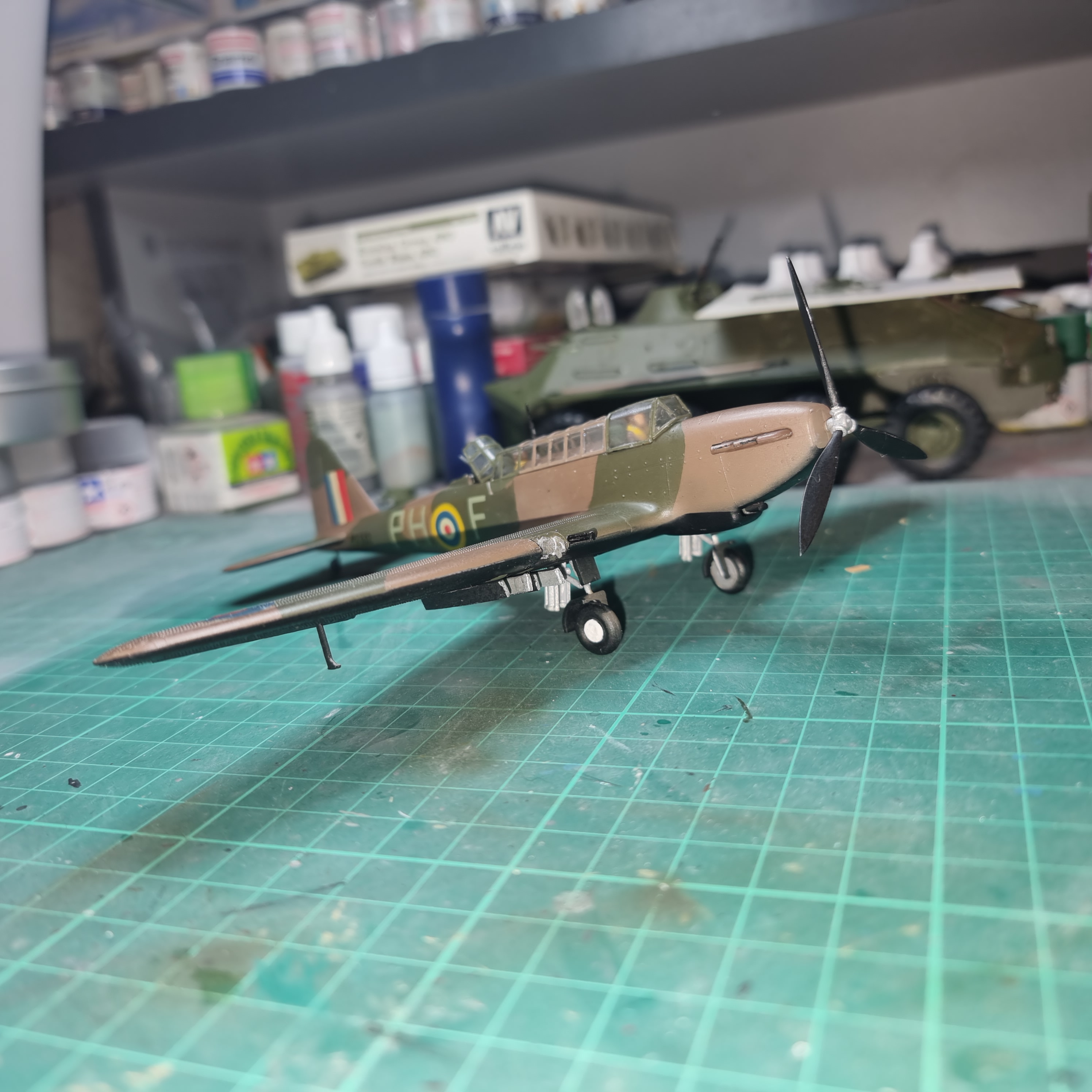
Airfix 1/72 Fairey Battle
Posted: Sun Nov 20, 2022 10:01 pm
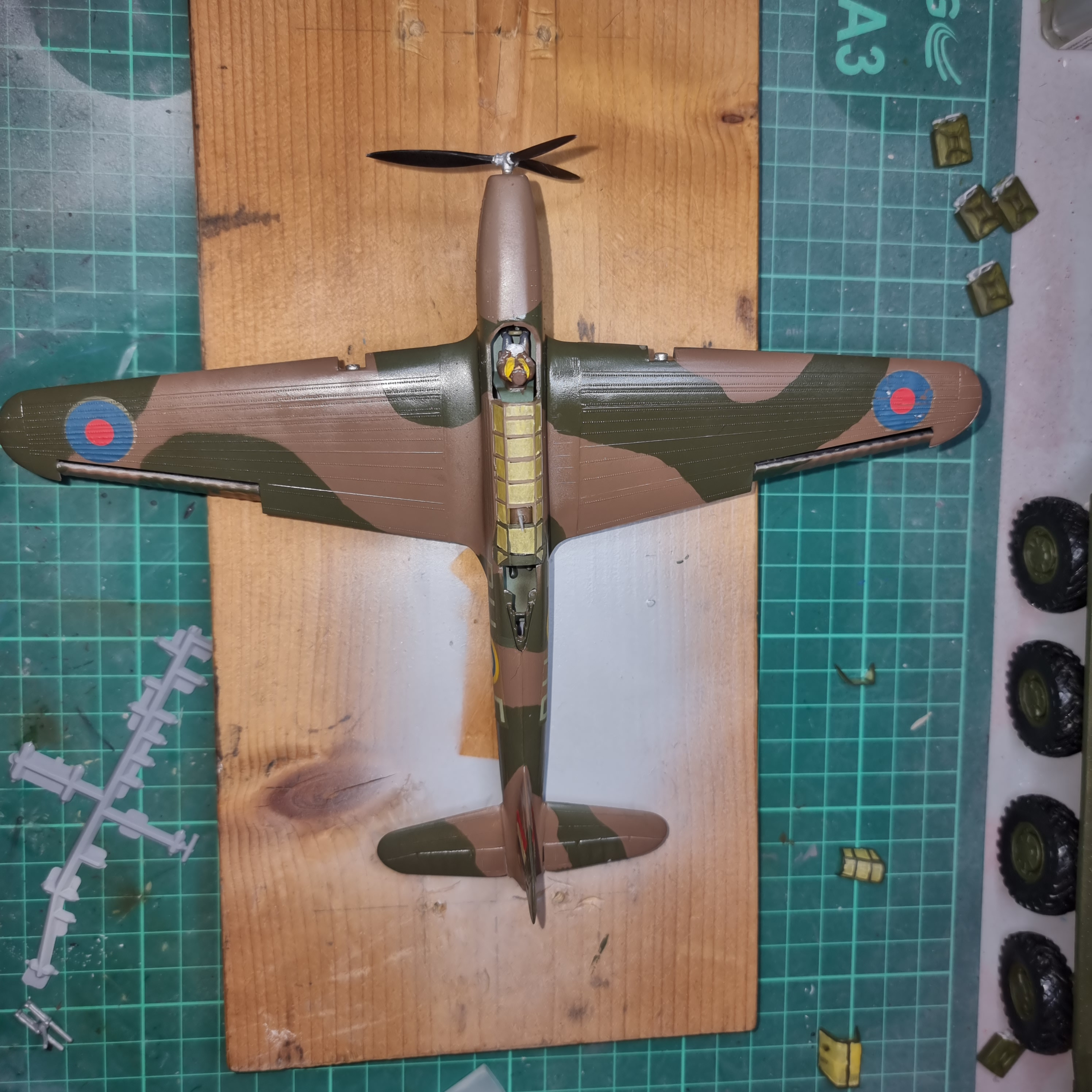
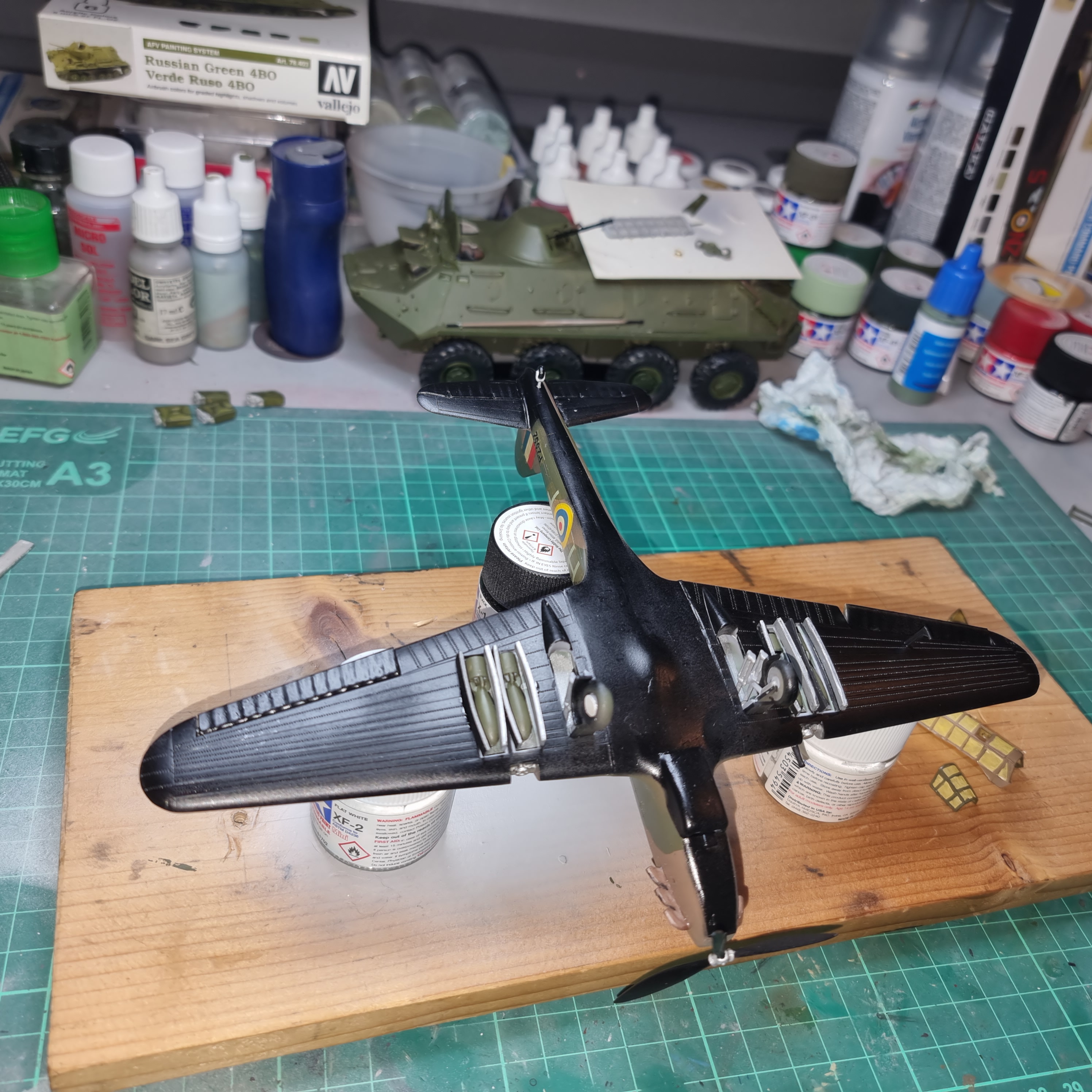
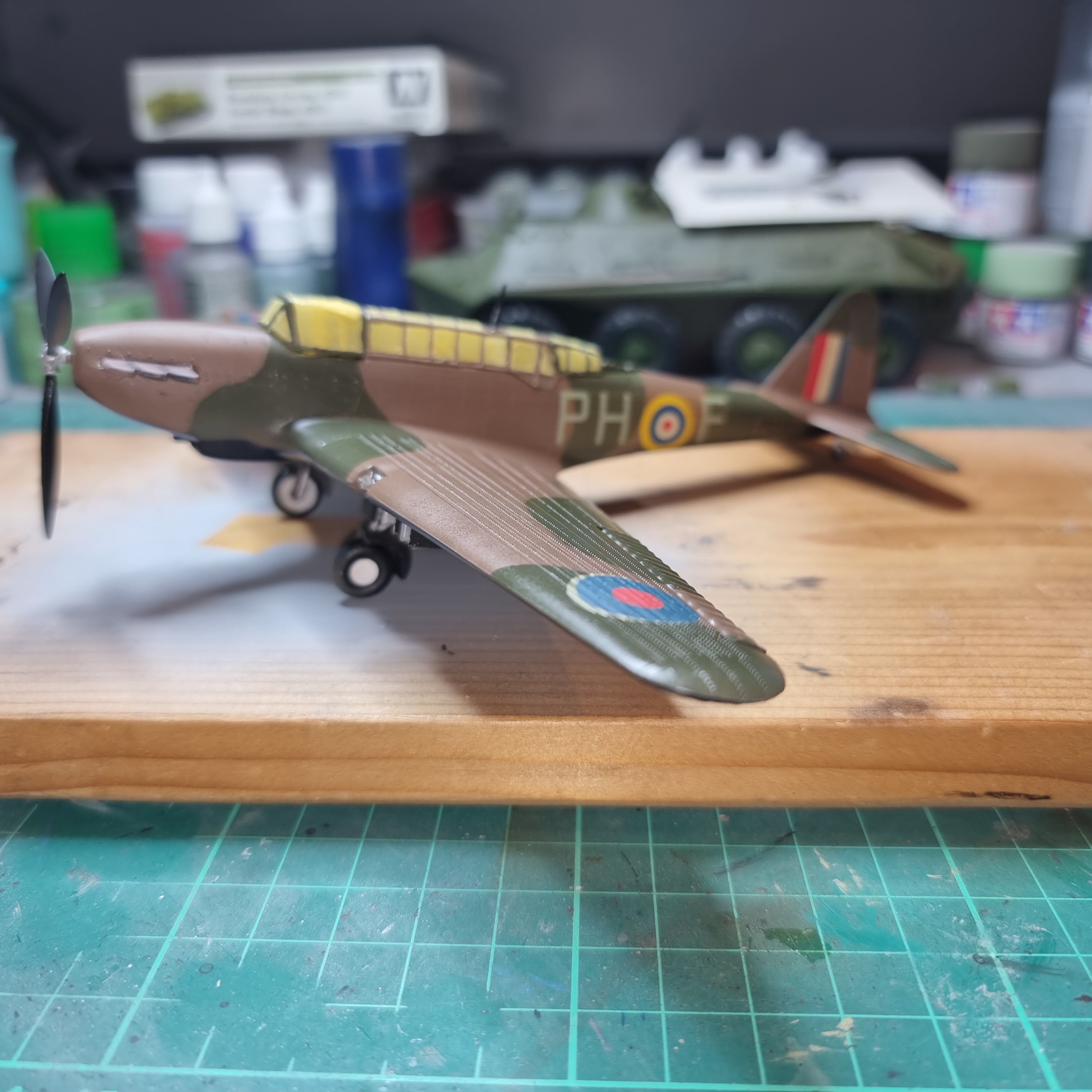
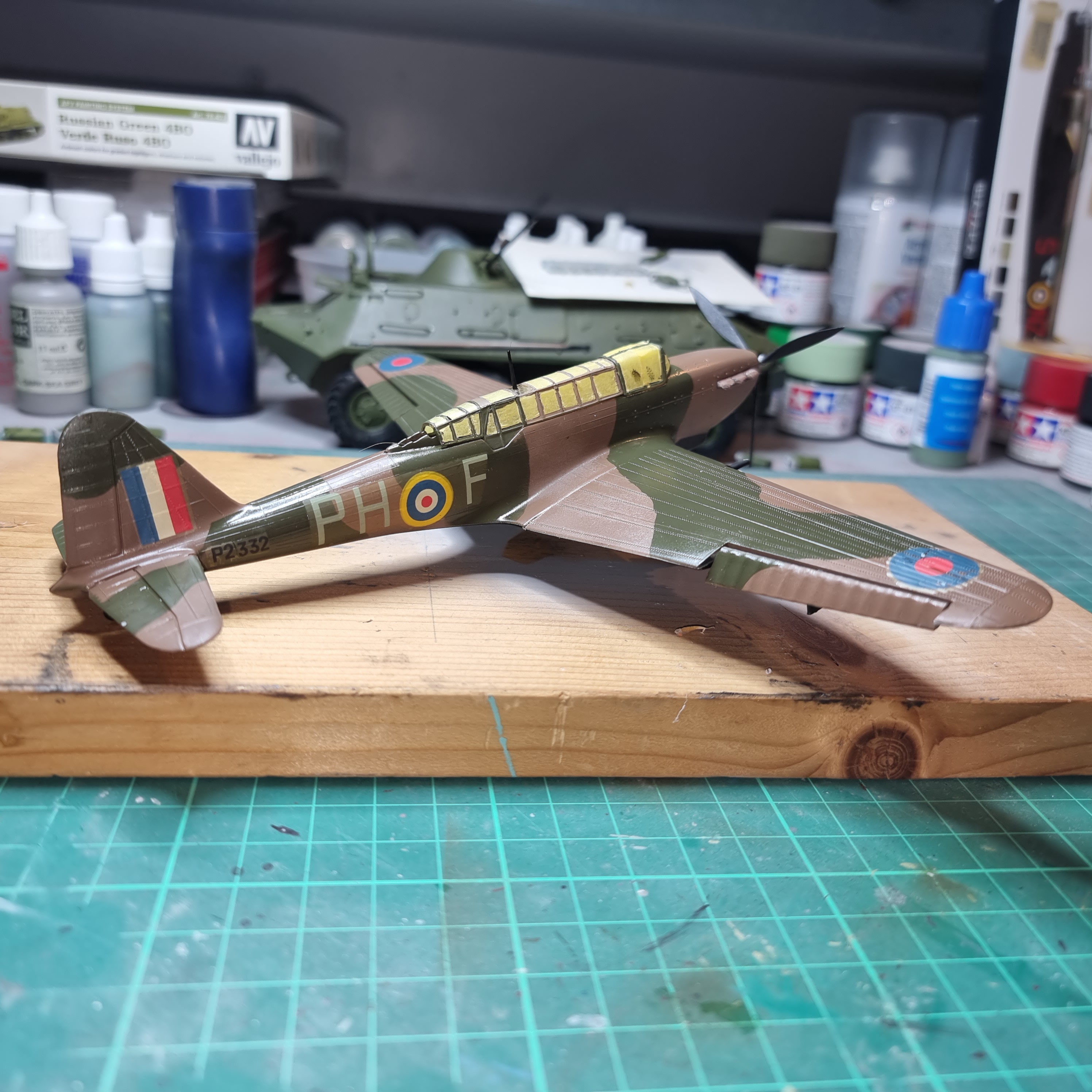
This one came in the post the other day and its small so it seemed a good one to build next as a change from wheels & rotors.
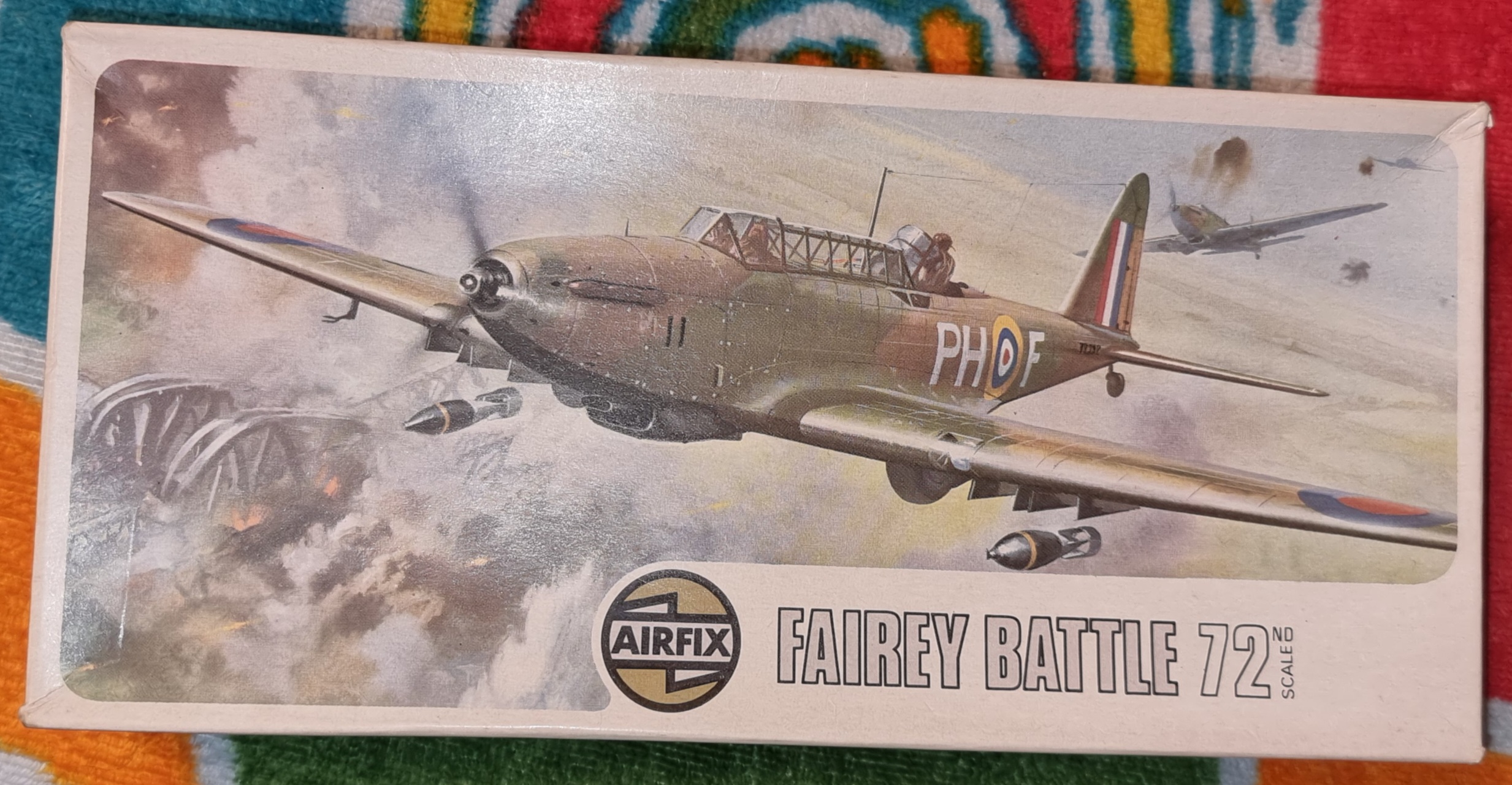
A potted history first:
"The Fairey Battle is a British single-engine light bomber that was designed and manufactured by the Fairey Aviation Company. It was developed during the mid-1930s for the Royal Air Force (RAF) as a monoplane successor to the Hawker Hart and Hind biplanes. The Battle was powered by the same high-performance Rolls-Royce Merlin piston engine that powered various contemporary British fighters such as the Hawker Hurricane and Supermarine Spitfire. As the Battle, with its three-man crew and bomb load, was much heavier than the fighters, it was therefore much slower. Though a great improvement over the aircraft that preceded it, its relatively slow speed, limited range and inadequate defensive armament of only two .303 machine guns left it highly vulnerable to enemy fighters and anti-aircraft fire.
In the first of two sorties carried out by Battles on 10 May 1940, three out of eight aircraft were lost, while a further 10 out of 24 were shot down in the second sortie, giving a total of 13 lost in that day's attacks, with the remainder suffering damage. Despite bombing from as low as 250 ft, their attacks were recorded as having had little impact on the German columns. During the following day, nine Belgian Air Force Battles attacked bridges over the Albert Canal that connects to the Meuse River, losing six aircraft and in another RAF sortie that day against a German column, only one Battle out of eight survived.
On 12 May, a formation of five Battles of 12 Squadron attacked two road bridges over the Albert Canal; four of these aircraft were destroyed while the final aircraft crash-landing upon its return to its base. Two Victoria Crosses were awarded posthumously for the action, to Flying Officer Donald Garland and air observer/navigator sergeant Thomas Gray of Battle serial P2204 coded PH-K, for pressing home the attack in spite of the heavy defensive fire. The third crew member, rear gunner Leading Aircraftsman Lawrence Reynolds, did not share the award. Both fighters and flak had proved lethal for the Battles. Although Garland's Battle managed to destroy one span of the bridge, the German army quickly erected a pontoon bridge to replace it.
On 14 May 1940, in a desperate attempt to stop German forces crossing the Meuse, the Advanced Air Striking Force launched an "all-out" attack by all available bombers against the German bridgehead and pontoon bridges at Sedan. The light bombers were attacked by swarms of opposing fighters and were devastated. Out of a strike force of 63 Battles and eight Bristol Blenheims, 40 (including 35 Battles) were lost. After these abortive raids, the Battle was switched to mainly night attacks, resulting in much lower losses.
On 15 June 1940, the last remaining aircraft of the Advanced Air Striking Force returned to Britain. In six weeks almost 200 Battles had been lost, with 99 lost between 10 and 16 May. After the return from France, for a short period of time, the RAF continued to rely on the light bomber. Reforming No. 1 Group and later equipping four new Polish squadrons with the type, it continued to be deployed in operations against shipping massed in the Channel ports for Operation Sealion. Their last combat sortie was mounted on the night of 15/16 October 1940 by No. 301 (Polish) Squadron in a raid on Boulogne, and Nos 12 and 142 Squadrons bombing Calais. Shortly afterwards Battle squadrons of No. 1 Group were re-equipped with Vickers Wellington medium bombers. Battles were operated into 1941 by 88 and 226 Squadrons in Northern Ireland and 98 Squadron in Iceland, for coastal patrol work.
While found to be inadequate as a bomber aircraft in the Second World War, the Fairey Battle found a new niche in its later service life. As the Fairey Battle T, for which it was furnished with a dual-cockpit arrangement in place of the standard long canopy, the type served as a trainer aircraft. The Battle T was equipped with dual-controls in the cockpit and optionally featured a Bristol-built Type I gun turret when employed as a bombing/gunnery training. As the winch-equipped Fairey Battle TT (target tug), it was used as a target-towing aircraft to support airborne gunnery training exercises. Furthermore, Battles were not only used in this role by the RAF, several overseas operators opted to acquire the type as a training platform."
So - onto the kit!!
It was bought pre-owned from King Kits and - as far as I can tell - all parts are present although quite a few were detached from the sprues.
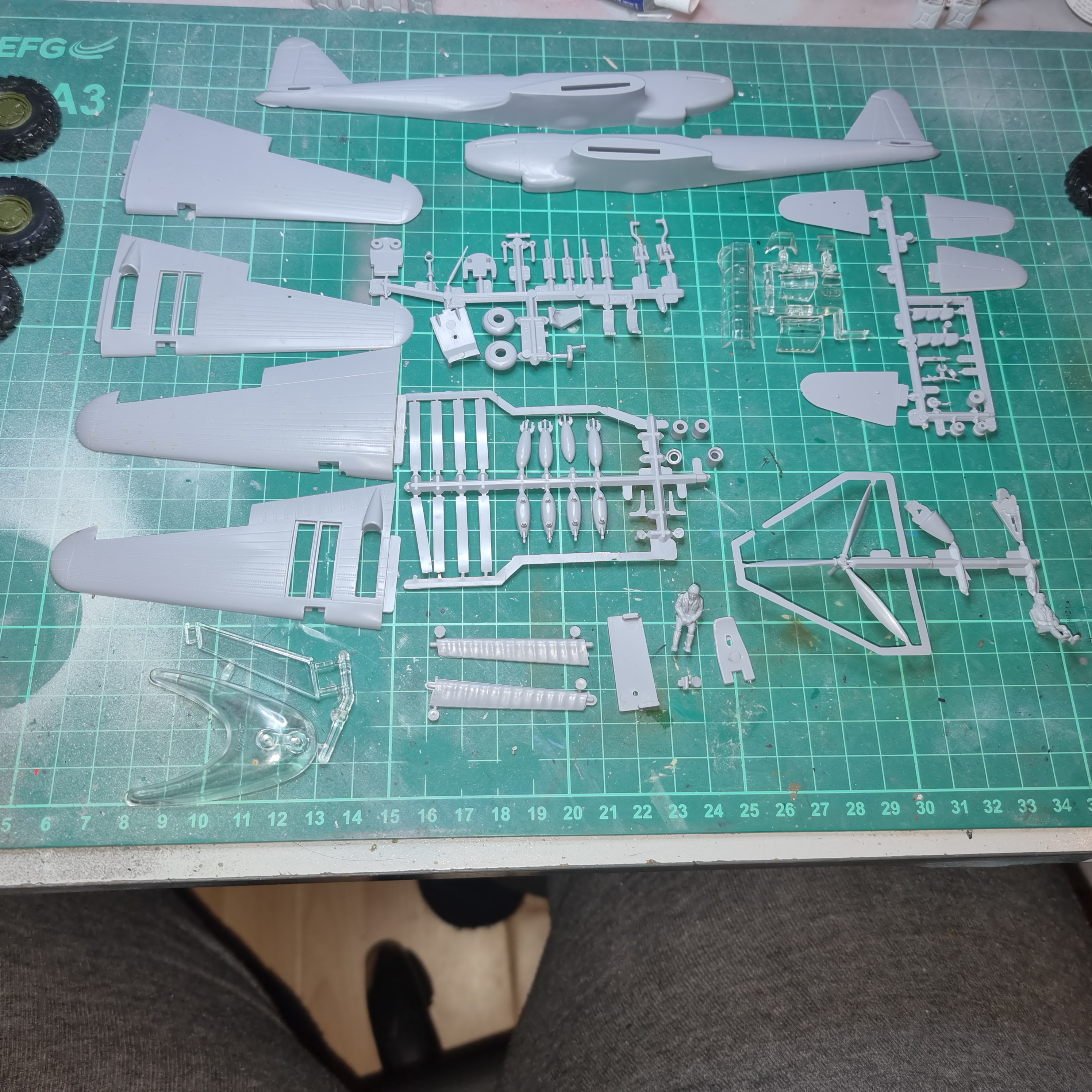
Markings are supplied for either an RAF or Belgian machine and look useable.
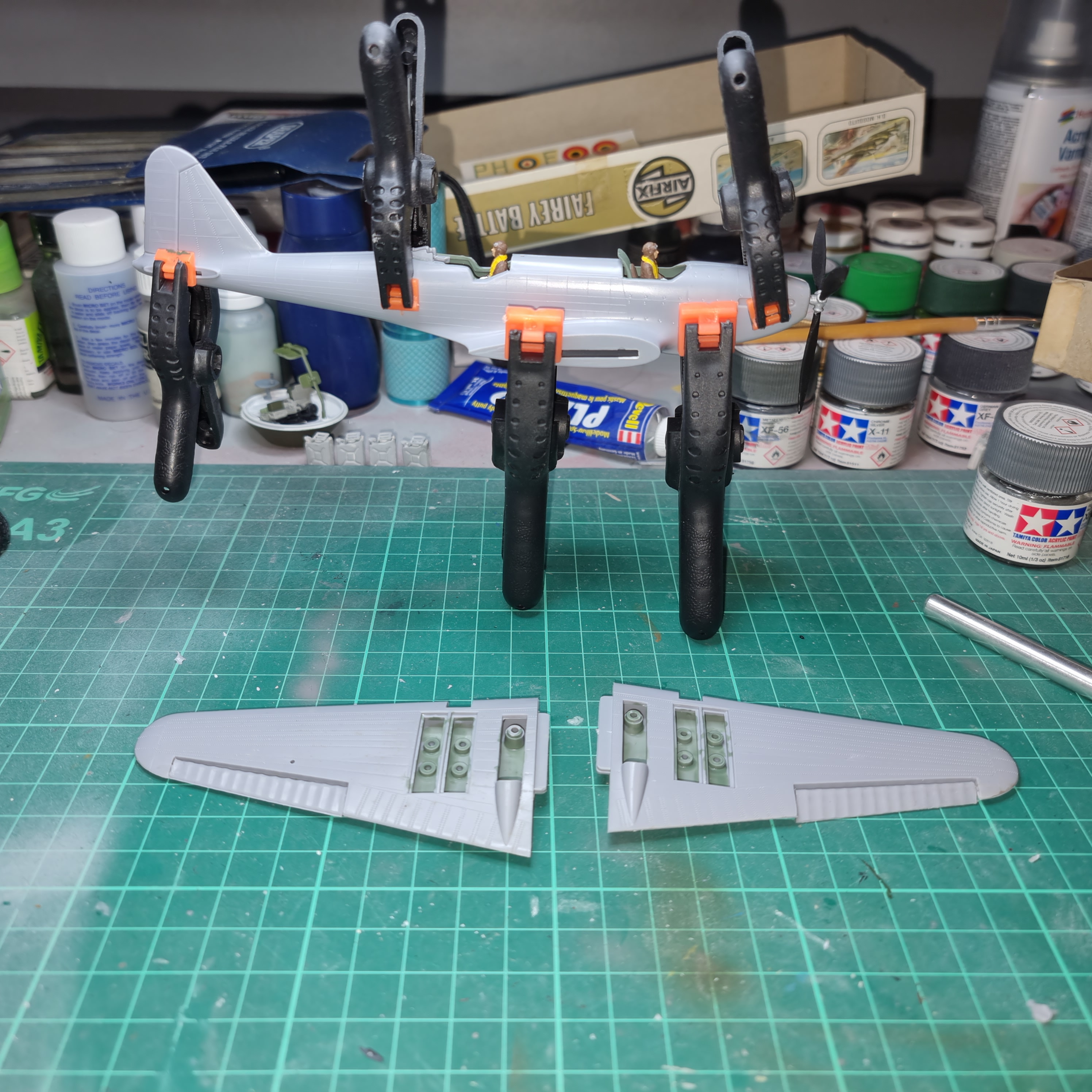
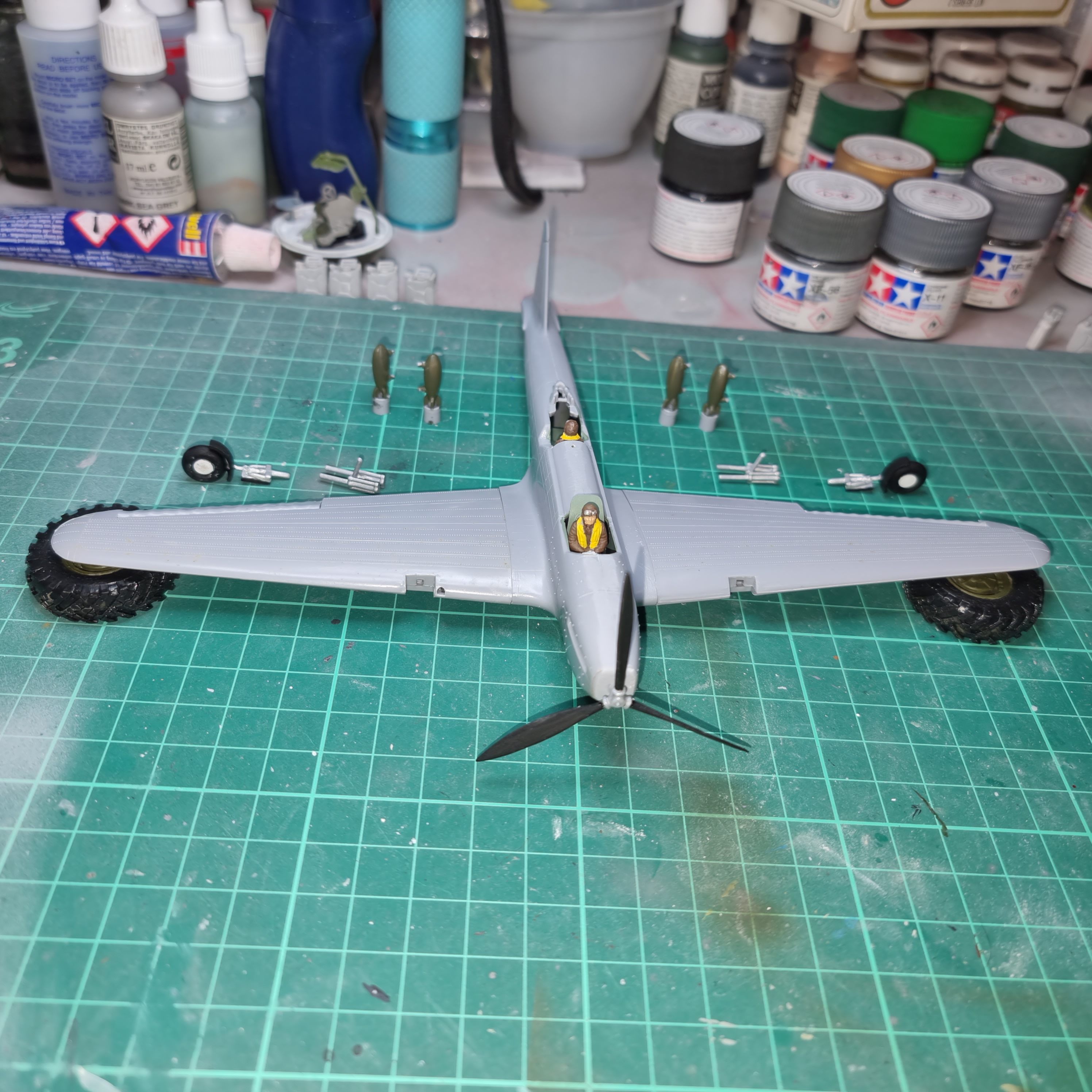
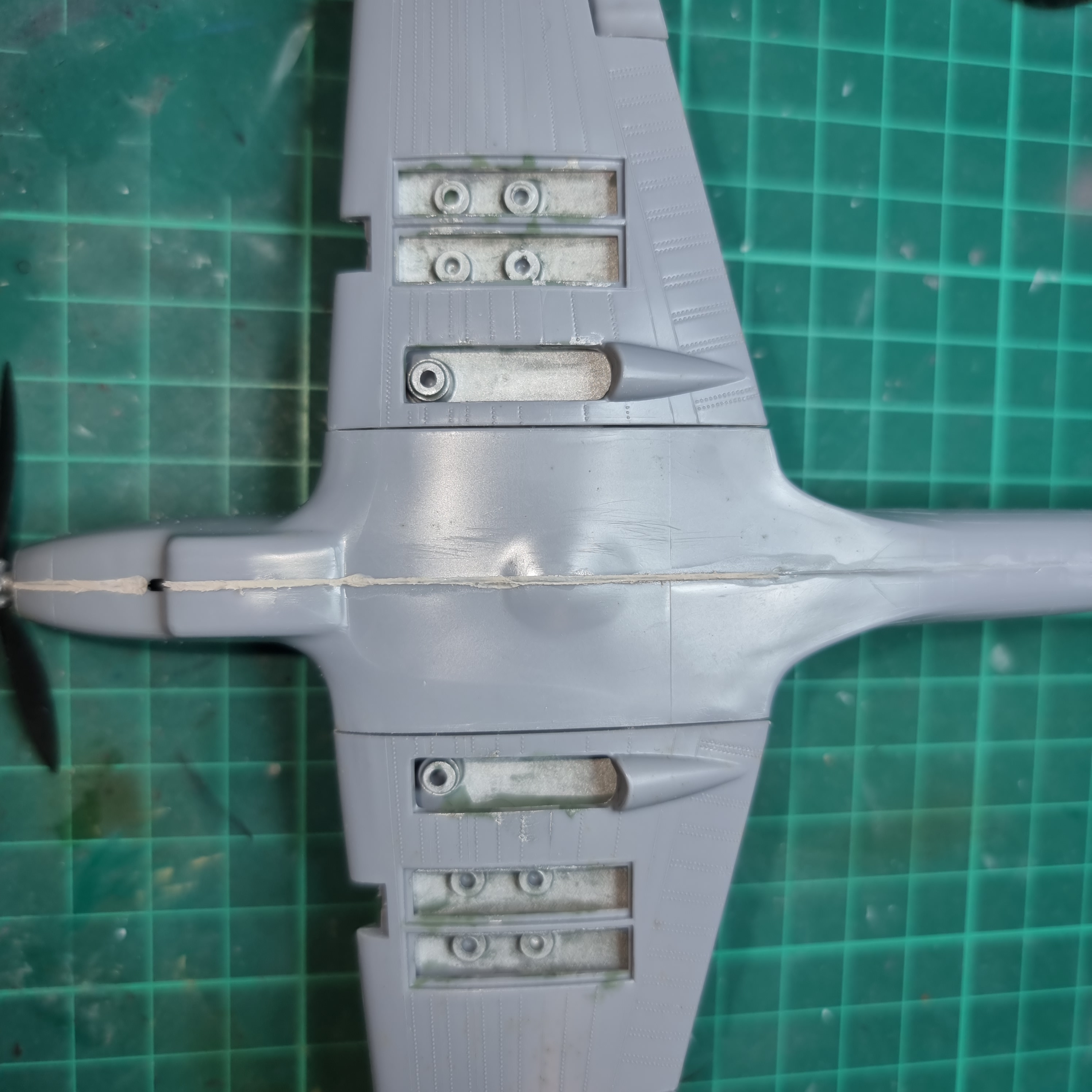
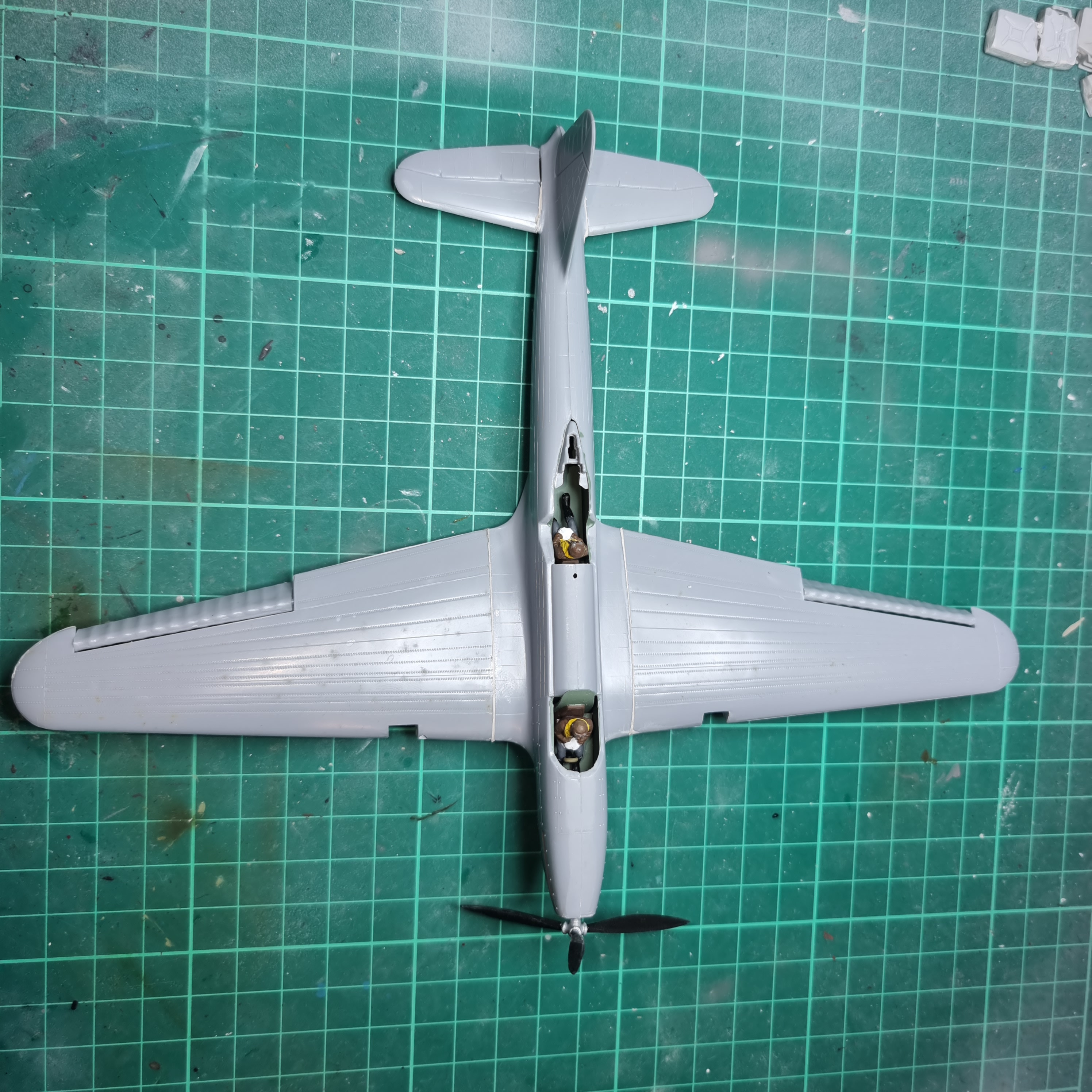
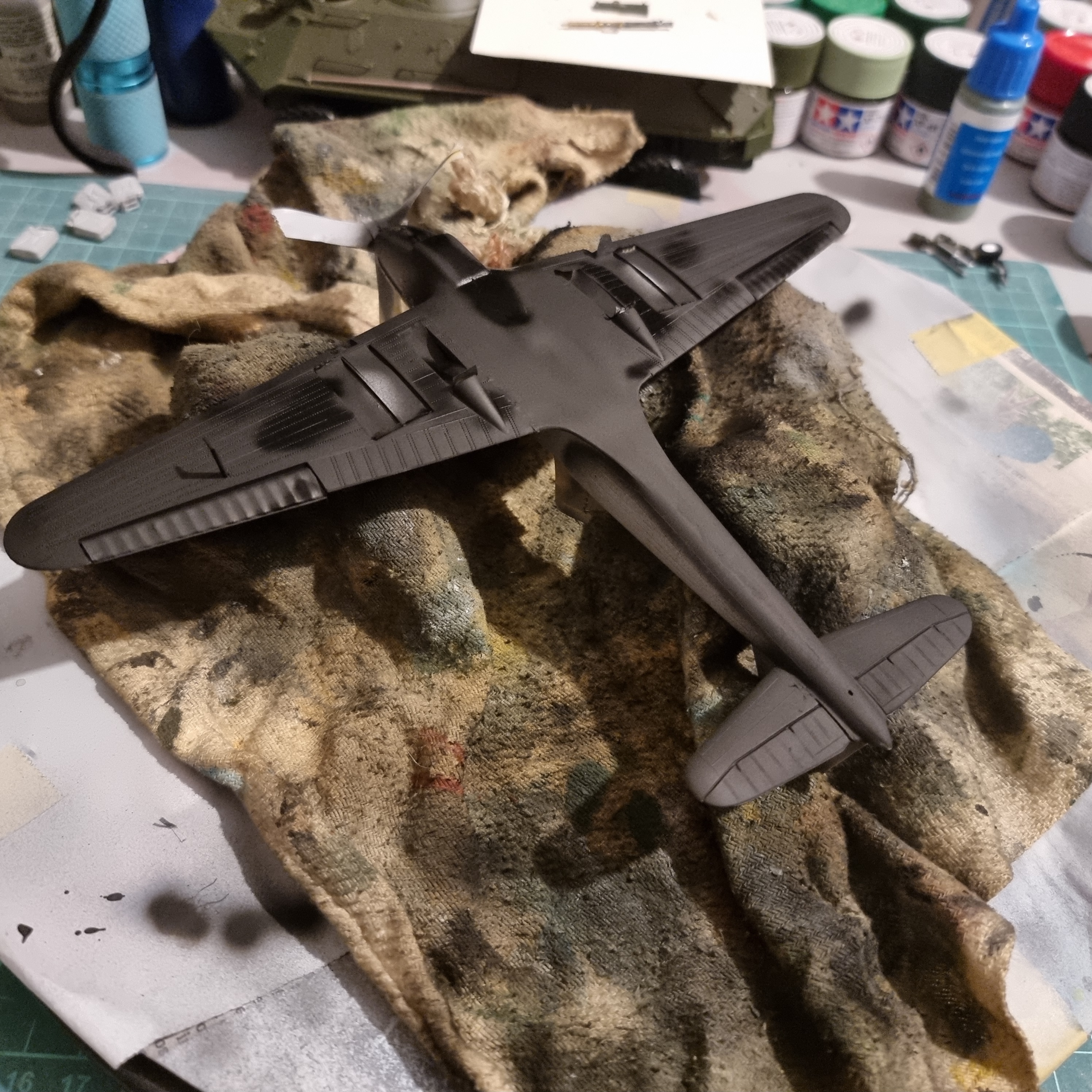
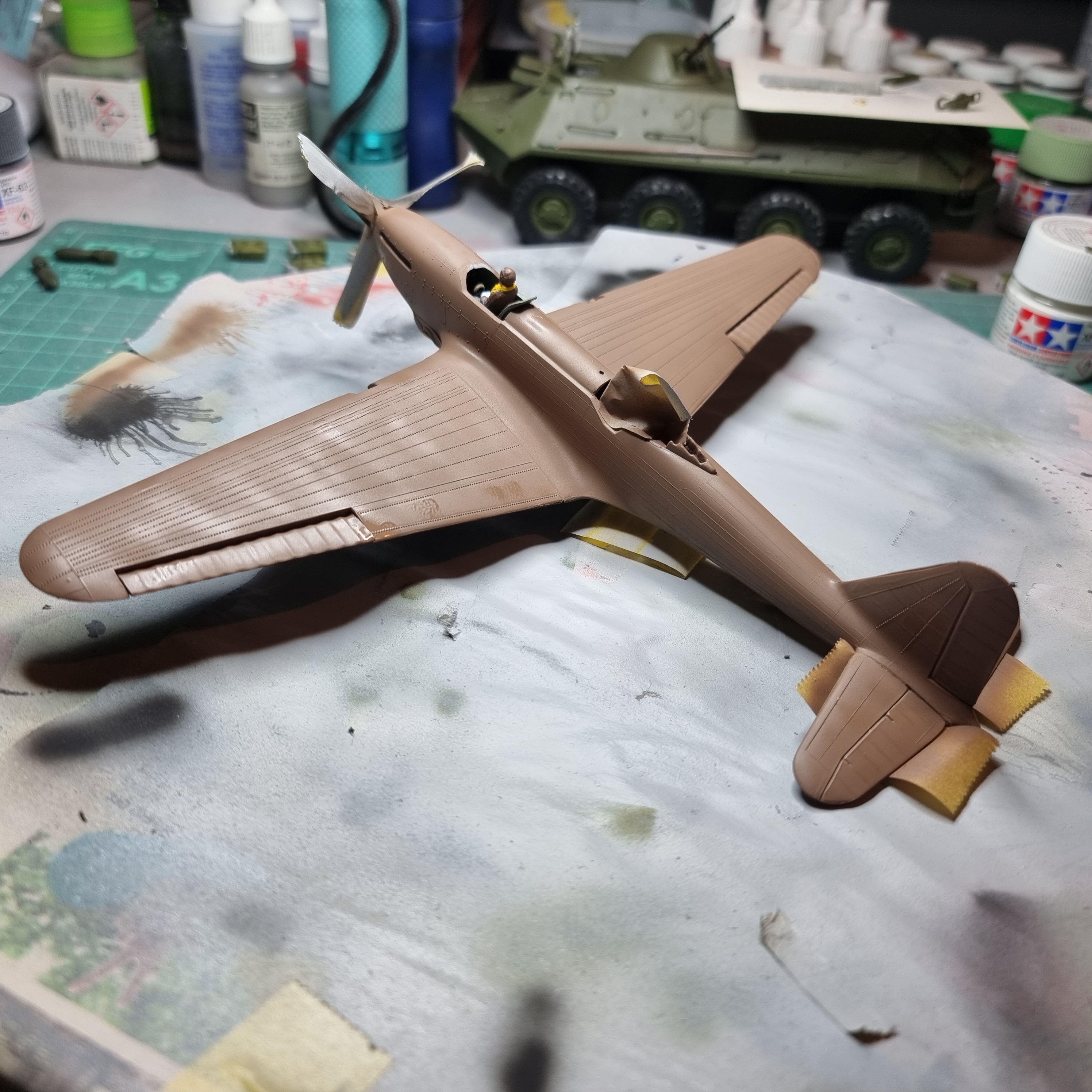
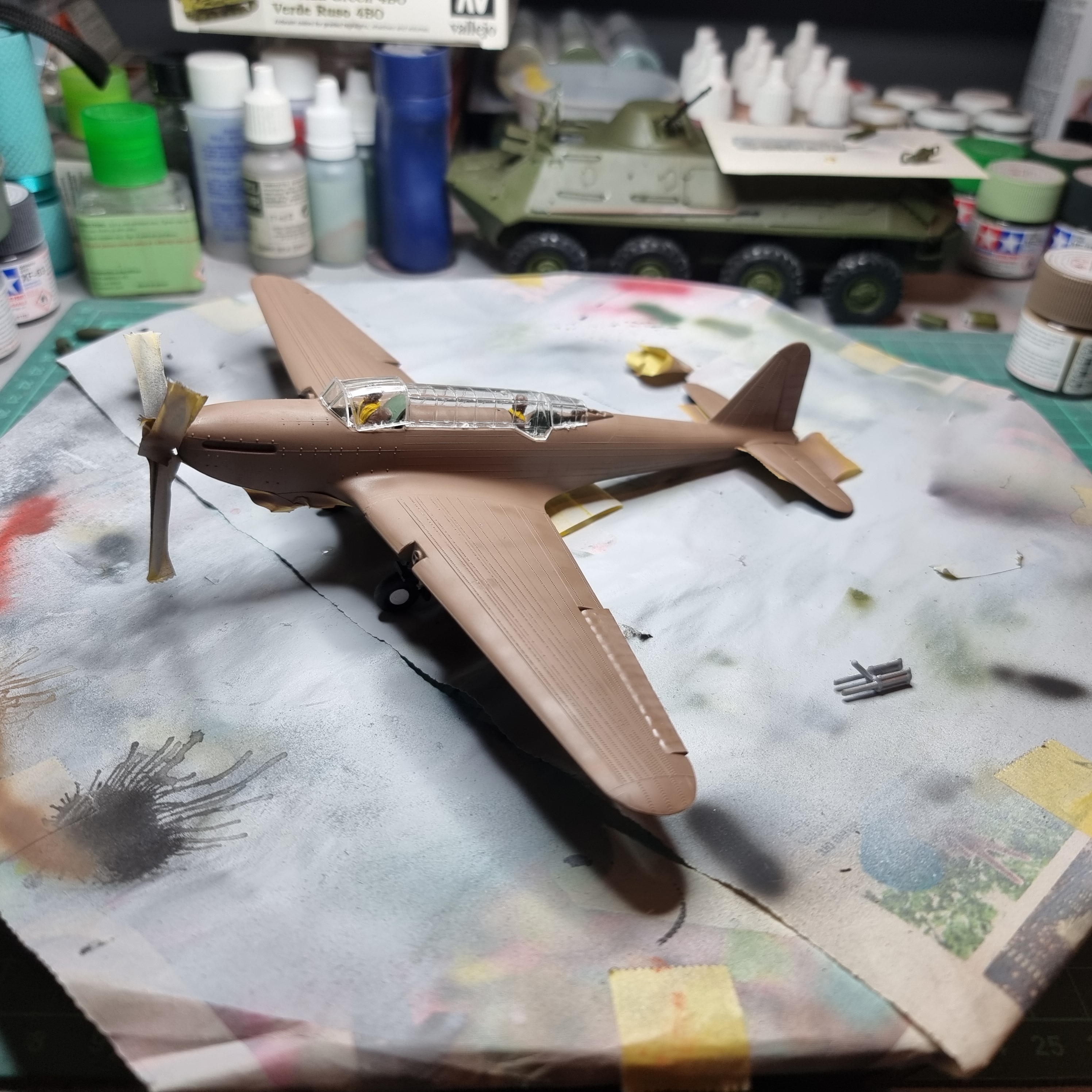
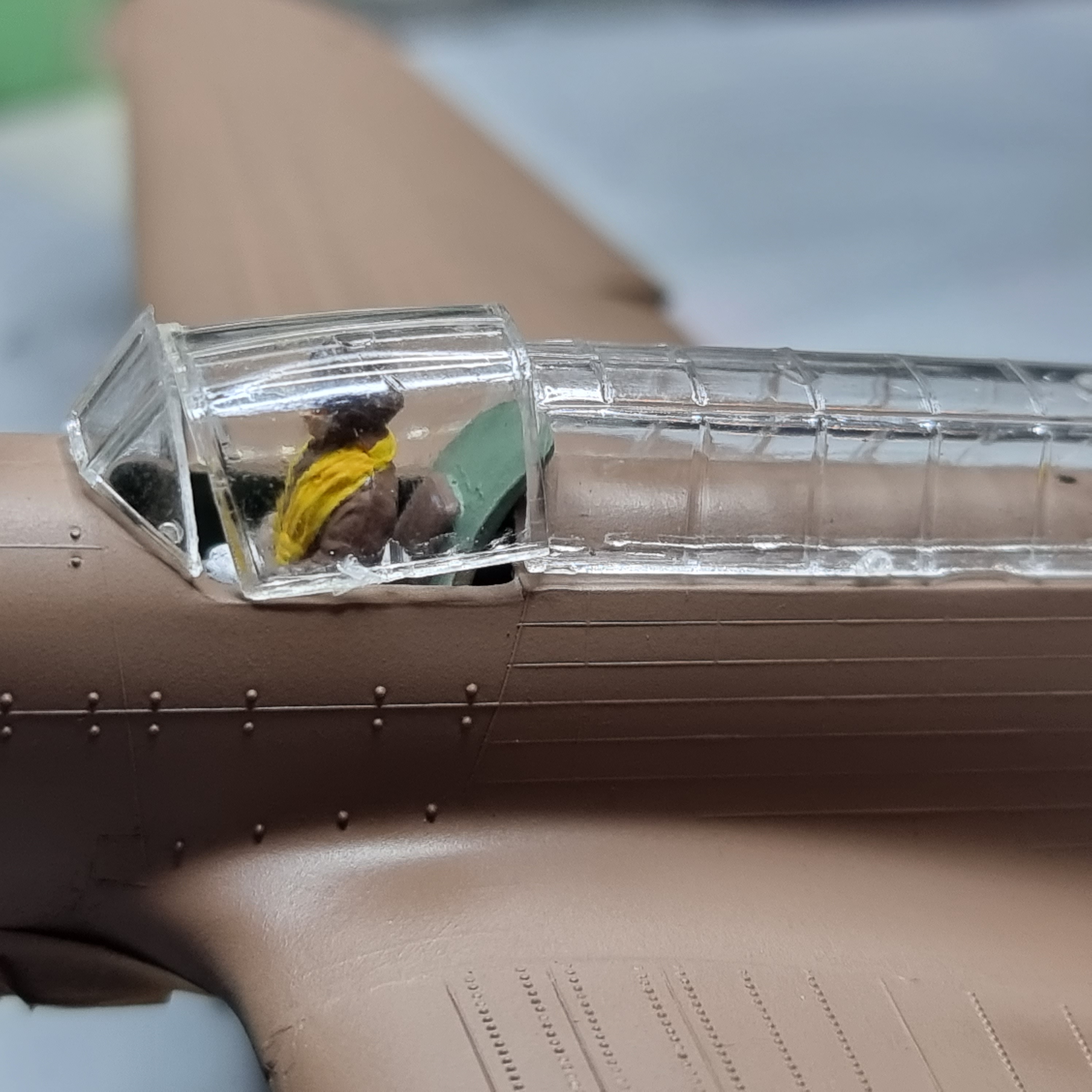
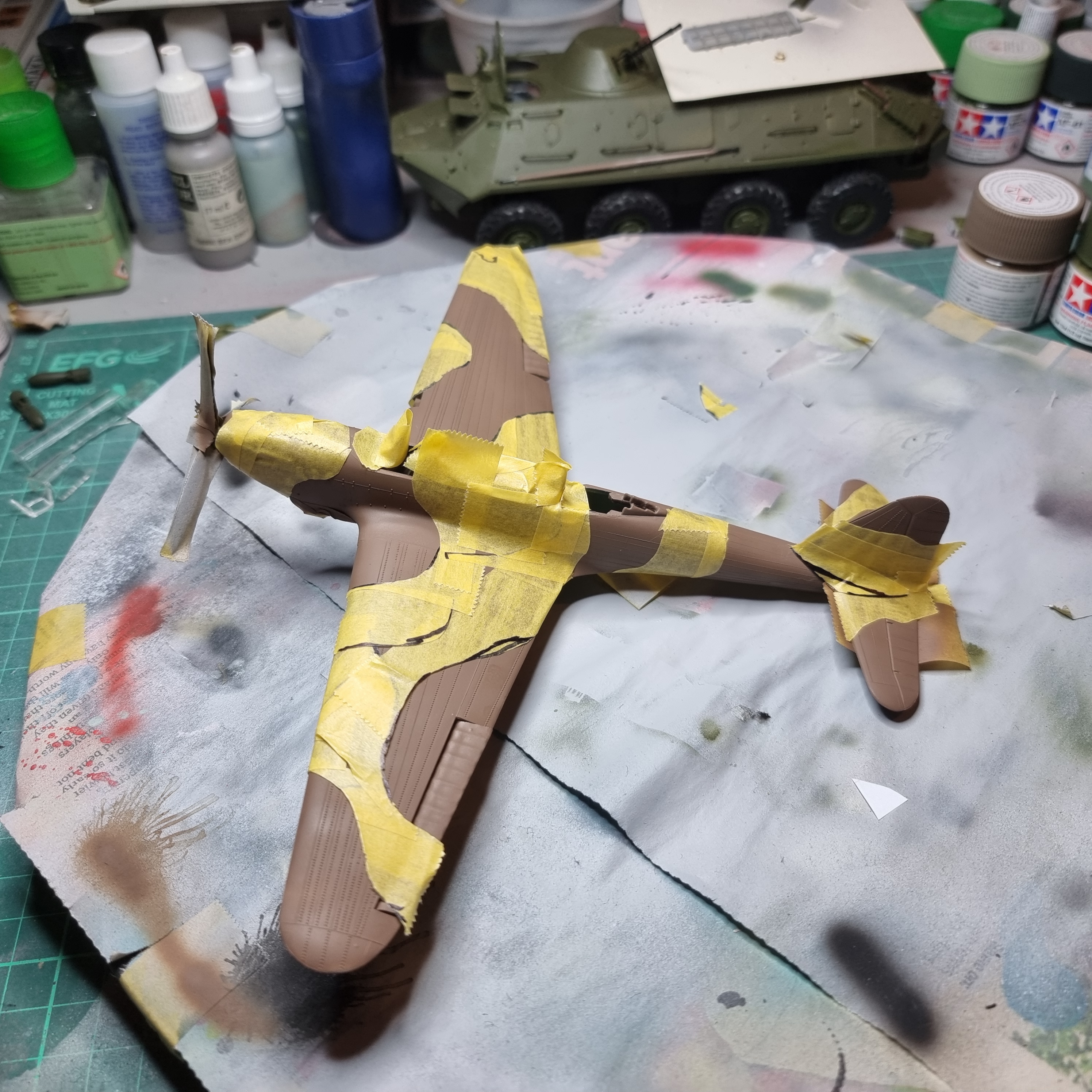
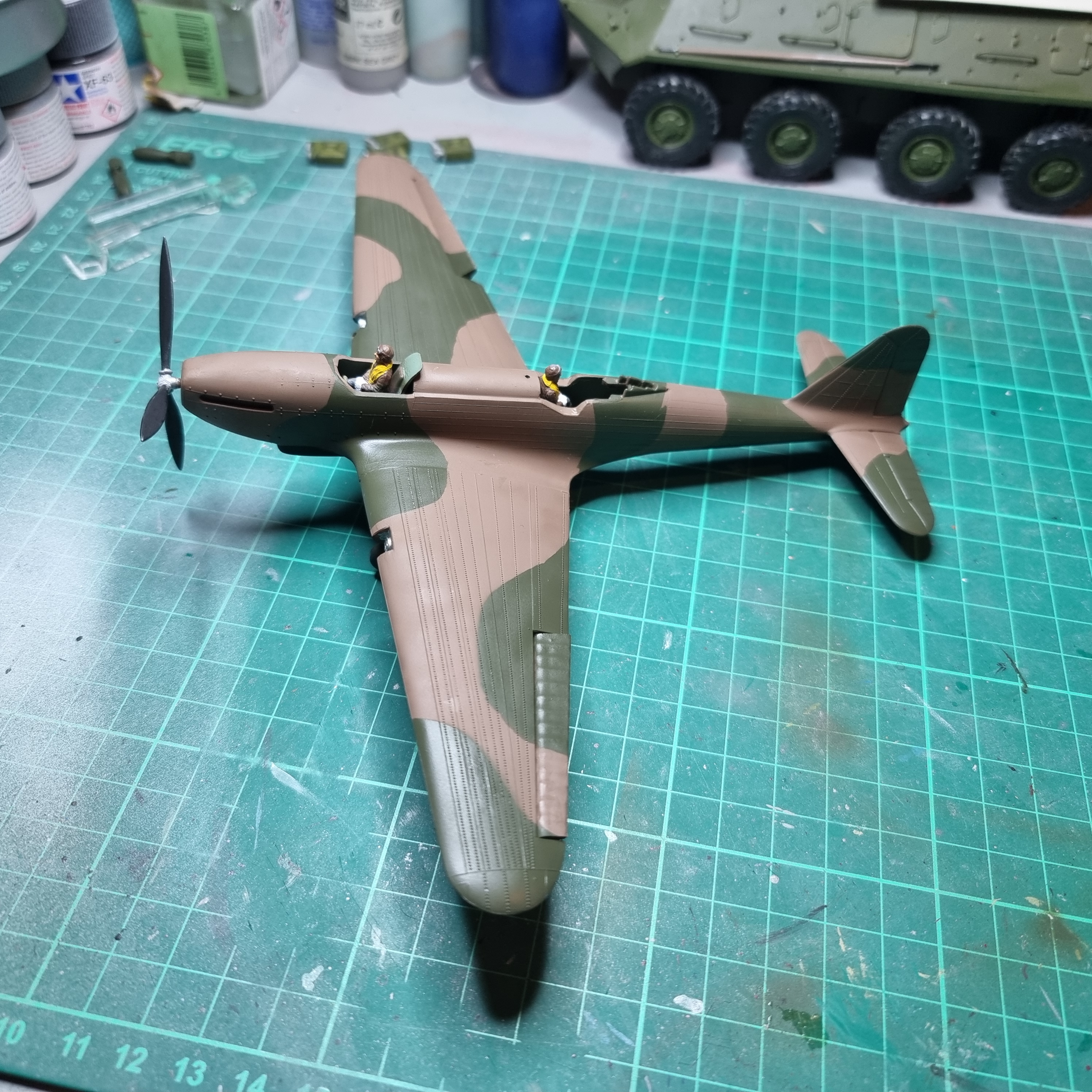
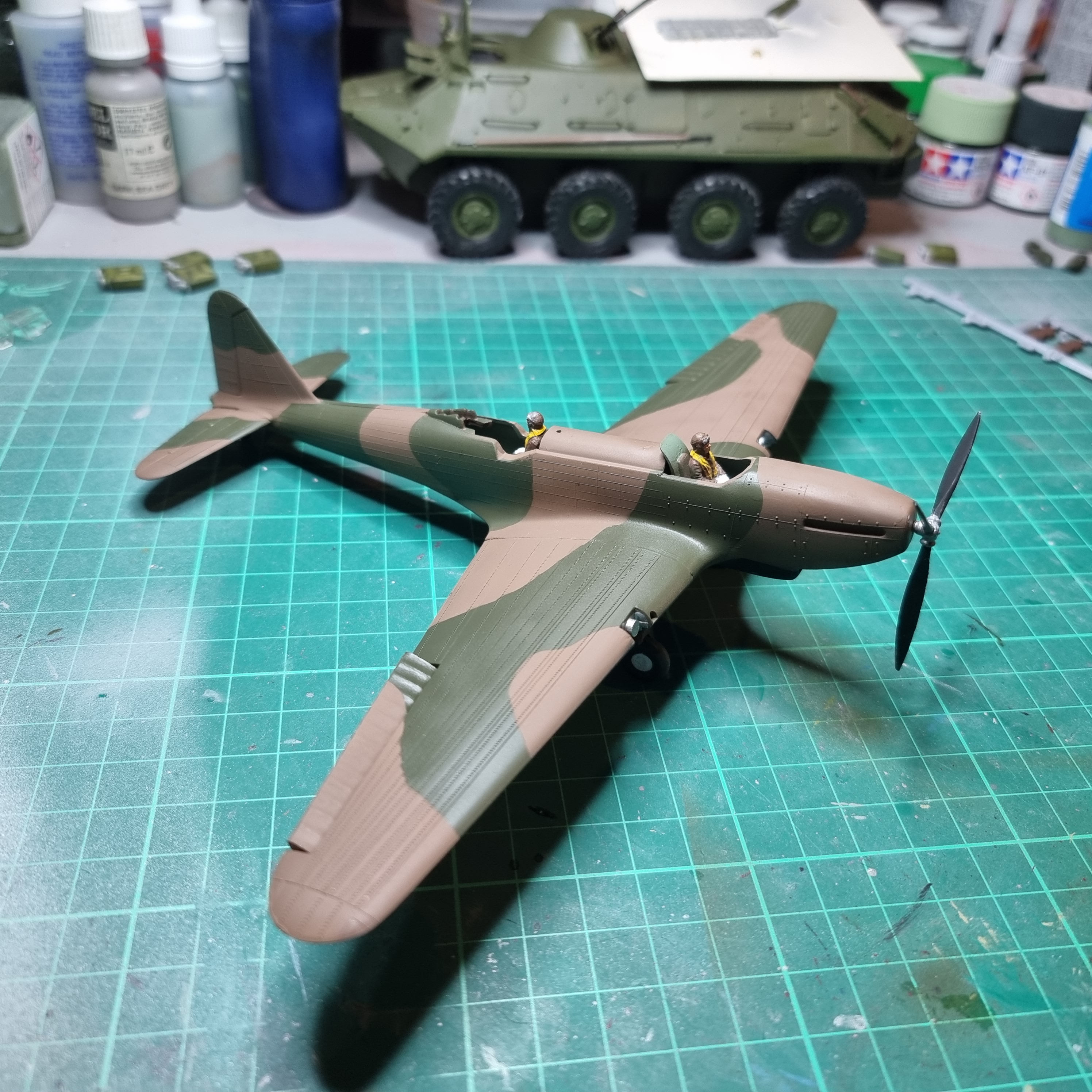
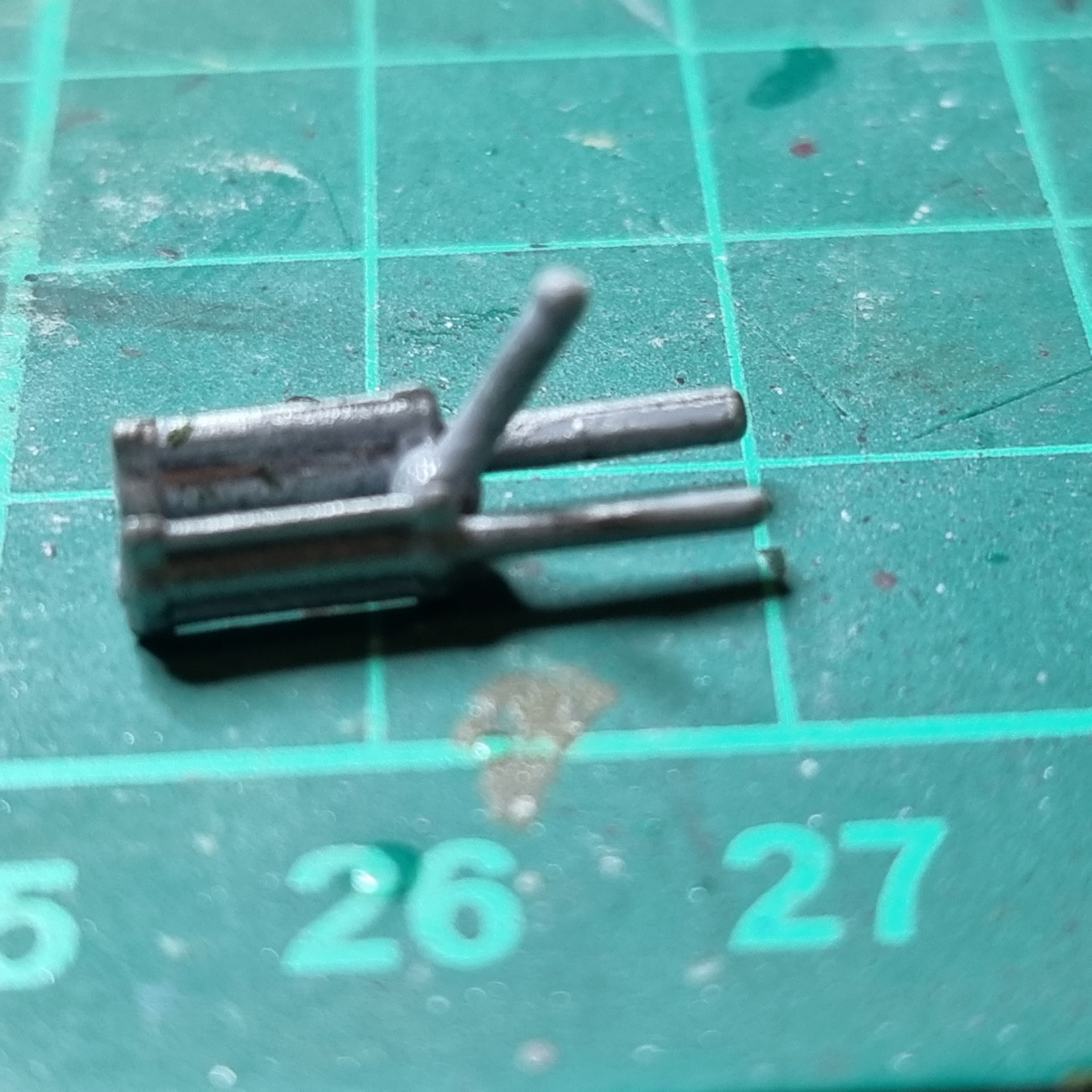
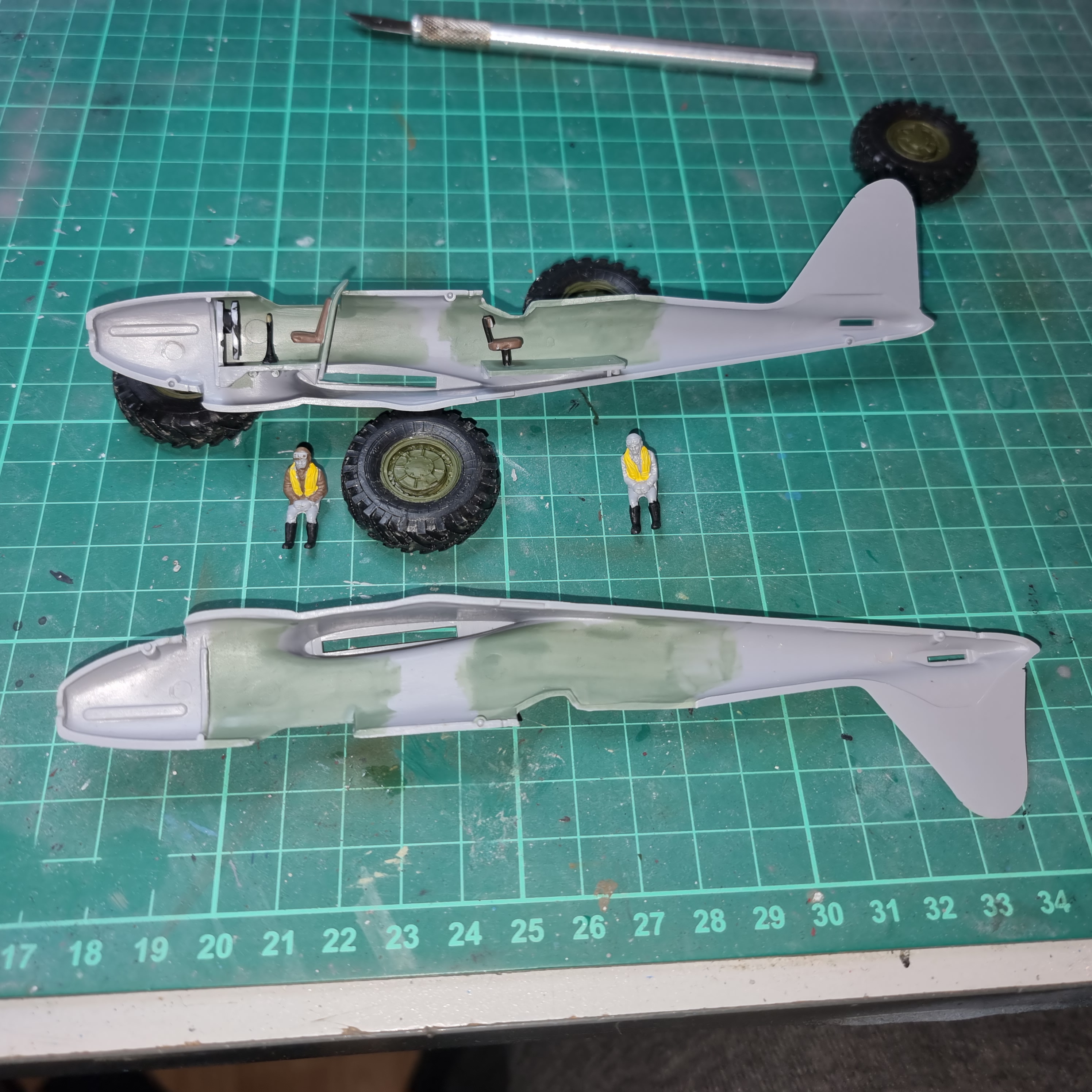
Making a start on the build the first thing noted was something I had forgotten the earlier Airfix kits were infamous for - flash, mould lines and ejector pin marks! First assembly steps in the instructions, as might be expected, is the cockpit and rear gunners position. Quite a bit of time was spent cleaning flash from the various parts and the two crew members as I think the barrenness of the interior warrants using the supplied figures. Once this was done the various parts were painted using Hataka for the cockpit green colour and Tamiya acrylics for the rest. This is as far as I got tonight before the wife dished up dinner:
A potted history first:
"The Fairey Battle is a British single-engine light bomber that was designed and manufactured by the Fairey Aviation Company. It was developed during the mid-1930s for the Royal Air Force (RAF) as a monoplane successor to the Hawker Hart and Hind biplanes. The Battle was powered by the same high-performance Rolls-Royce Merlin piston engine that powered various contemporary British fighters such as the Hawker Hurricane and Supermarine Spitfire. As the Battle, with its three-man crew and bomb load, was much heavier than the fighters, it was therefore much slower. Though a great improvement over the aircraft that preceded it, its relatively slow speed, limited range and inadequate defensive armament of only two .303 machine guns left it highly vulnerable to enemy fighters and anti-aircraft fire.
In the first of two sorties carried out by Battles on 10 May 1940, three out of eight aircraft were lost, while a further 10 out of 24 were shot down in the second sortie, giving a total of 13 lost in that day's attacks, with the remainder suffering damage. Despite bombing from as low as 250 ft, their attacks were recorded as having had little impact on the German columns. During the following day, nine Belgian Air Force Battles attacked bridges over the Albert Canal that connects to the Meuse River, losing six aircraft and in another RAF sortie that day against a German column, only one Battle out of eight survived.
On 12 May, a formation of five Battles of 12 Squadron attacked two road bridges over the Albert Canal; four of these aircraft were destroyed while the final aircraft crash-landing upon its return to its base. Two Victoria Crosses were awarded posthumously for the action, to Flying Officer Donald Garland and air observer/navigator sergeant Thomas Gray of Battle serial P2204 coded PH-K, for pressing home the attack in spite of the heavy defensive fire. The third crew member, rear gunner Leading Aircraftsman Lawrence Reynolds, did not share the award. Both fighters and flak had proved lethal for the Battles. Although Garland's Battle managed to destroy one span of the bridge, the German army quickly erected a pontoon bridge to replace it.
On 14 May 1940, in a desperate attempt to stop German forces crossing the Meuse, the Advanced Air Striking Force launched an "all-out" attack by all available bombers against the German bridgehead and pontoon bridges at Sedan. The light bombers were attacked by swarms of opposing fighters and were devastated. Out of a strike force of 63 Battles and eight Bristol Blenheims, 40 (including 35 Battles) were lost. After these abortive raids, the Battle was switched to mainly night attacks, resulting in much lower losses.
On 15 June 1940, the last remaining aircraft of the Advanced Air Striking Force returned to Britain. In six weeks almost 200 Battles had been lost, with 99 lost between 10 and 16 May. After the return from France, for a short period of time, the RAF continued to rely on the light bomber. Reforming No. 1 Group and later equipping four new Polish squadrons with the type, it continued to be deployed in operations against shipping massed in the Channel ports for Operation Sealion. Their last combat sortie was mounted on the night of 15/16 October 1940 by No. 301 (Polish) Squadron in a raid on Boulogne, and Nos 12 and 142 Squadrons bombing Calais. Shortly afterwards Battle squadrons of No. 1 Group were re-equipped with Vickers Wellington medium bombers. Battles were operated into 1941 by 88 and 226 Squadrons in Northern Ireland and 98 Squadron in Iceland, for coastal patrol work.
While found to be inadequate as a bomber aircraft in the Second World War, the Fairey Battle found a new niche in its later service life. As the Fairey Battle T, for which it was furnished with a dual-cockpit arrangement in place of the standard long canopy, the type served as a trainer aircraft. The Battle T was equipped with dual-controls in the cockpit and optionally featured a Bristol-built Type I gun turret when employed as a bombing/gunnery training. As the winch-equipped Fairey Battle TT (target tug), it was used as a target-towing aircraft to support airborne gunnery training exercises. Furthermore, Battles were not only used in this role by the RAF, several overseas operators opted to acquire the type as a training platform."
So - onto the kit!!
It was bought pre-owned from King Kits and - as far as I can tell - all parts are present although quite a few were detached from the sprues.
Markings are supplied for either an RAF or Belgian machine and look useable.
Making a start on the build the first thing noted was something I had forgotten the earlier Airfix kits were infamous for - flash, mould lines and ejector pin marks! First assembly steps in the instructions, as might be expected, is the cockpit and rear gunners position. Quite a bit of time was spent cleaning flash from the various parts and the two crew members as I think the barrenness of the interior warrants using the supplied figures. Once this was done the various parts were painted using Hataka for the cockpit green colour and Tamiya acrylics for the rest. This is as far as I got tonight before the wife dished up dinner: